On View

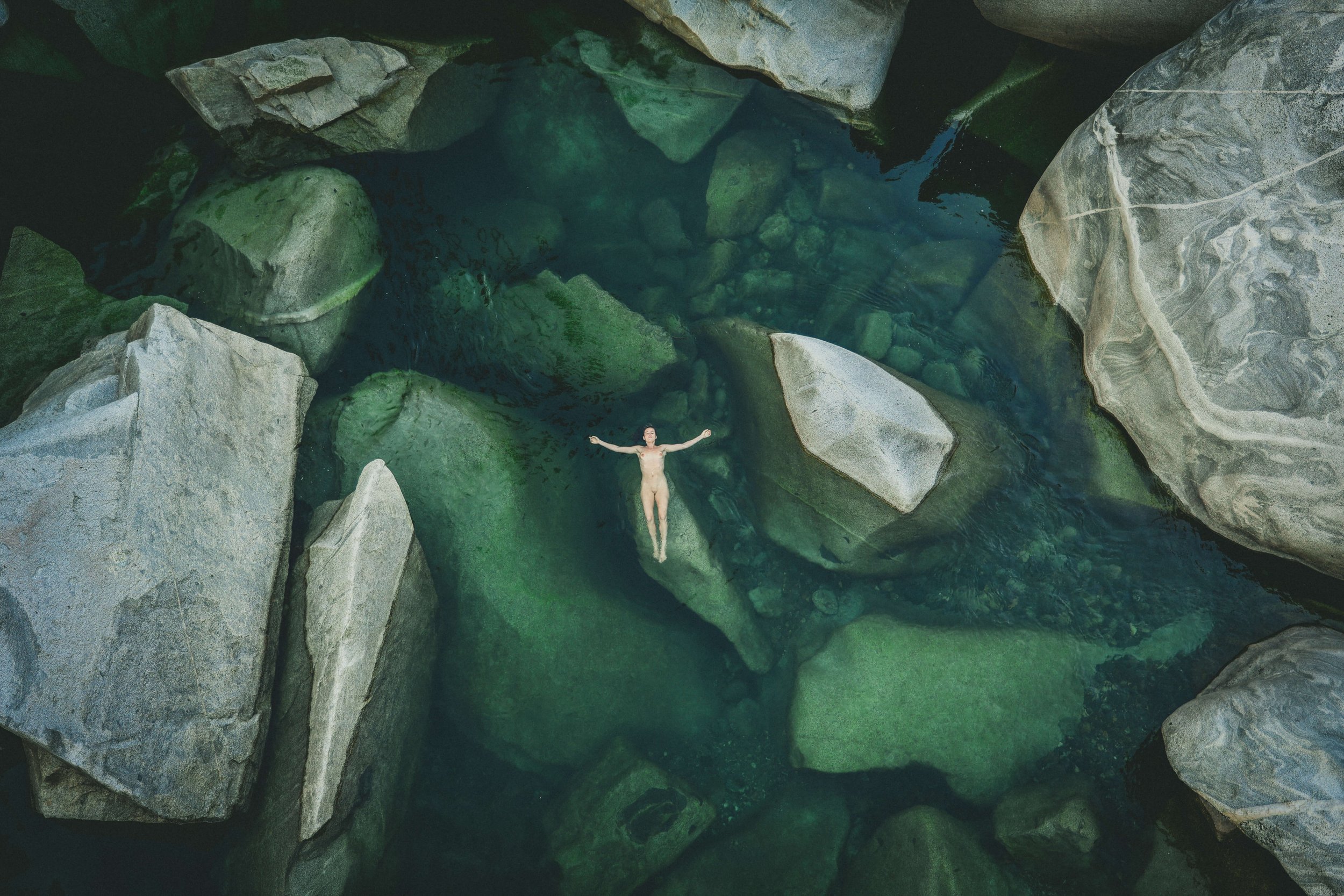
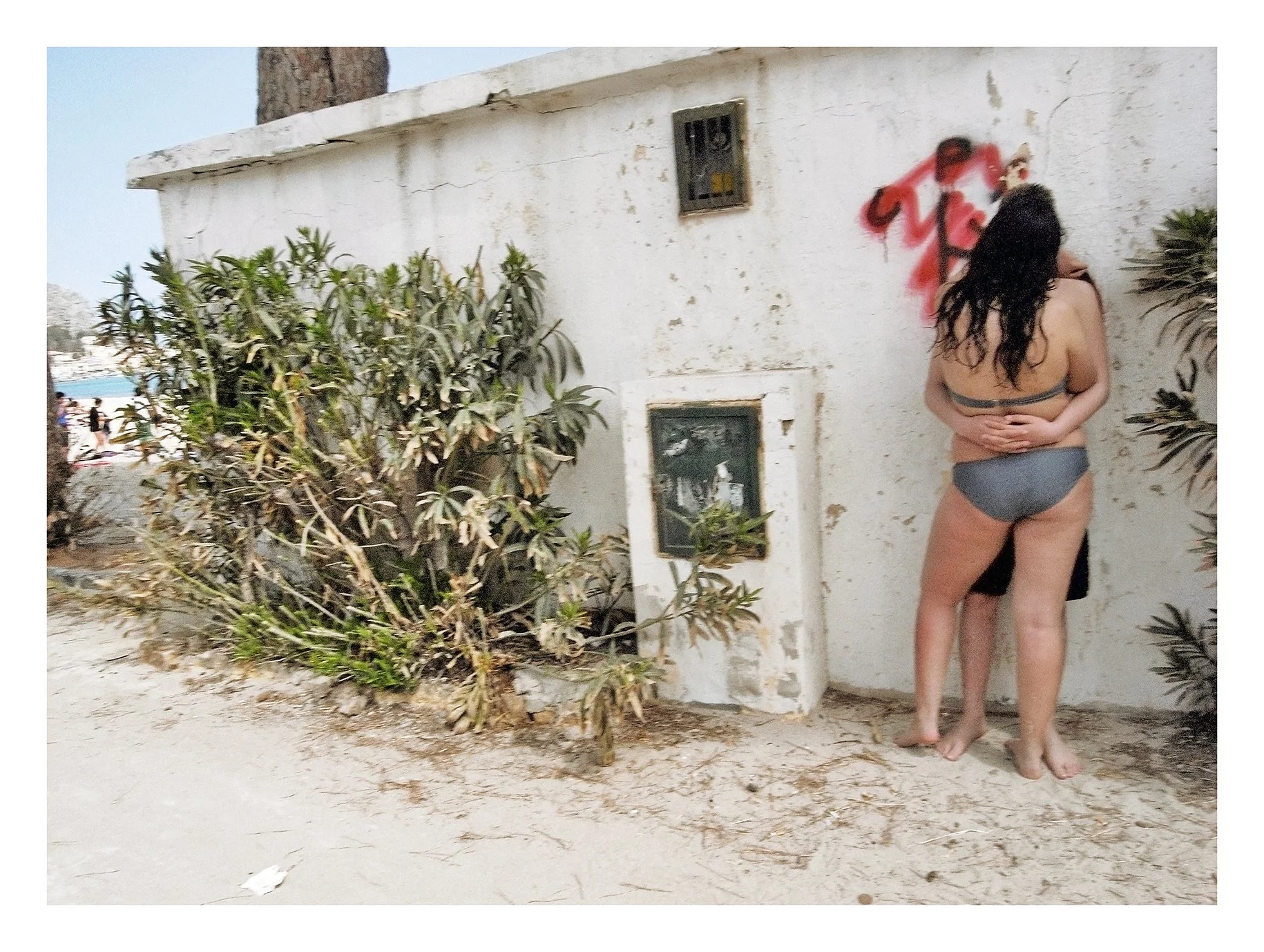
GROUP SHOW - GORGEOUSNESS Curated by Richard Renaldi


On February 24, 2022, in a speech by Vladimir Putin announcing his “rationale” for invading Ukraine, queer people made a surprising cameo. The West, he said, “sought to destroy our traditional values,” with attitudes, “that are directly leading to degradation and degeneration, because they are contrary to human nature.” There was little doubt as to whom he was referring. Thus, for the first time in history, the existence of queerness was cited as a casus belli in the struggle between world orders.
Queer communities in the US and around the world in the summer of 2024 find themselves squaring off against a series of ambient tensions singular in history. The long run of gradually expanding rights that began in the late 1970s and crested with the legalization of US gay marriage in 2015 has come to an end. More recent decisions by the Supreme Court, the legislatures of various states, community libraries and school boards have revealed an organized and persistent hostility to queer art, literature and identity.
Although we have seen counter movements to queer progress before, the piecemeal dismantling of just recently acquired rights is a new form of slow torture. There was a whiff of sadism in the multiple ironies of last year’s Supreme Court decision, 303 Creative v. Elenis, enshrining the constitutional right of a self-described artist not to provide services to queer clients. As with Obergefell, the decision came down at the end of June.
And we have never seen the constellation of illiberal agendas that are now making common cause, braiding together globally with malign efficiency to demonize queer communities. Right wing movements around the world may differ broadly in their specifics and texturally in their rhetoric, but they are identical in one particular: the weaponization of gender and sexuality.
In this context, with the US presidential election looming as a near totalizing event of world historical anxiety, I have assembled a show of works, all by queer artists, in celebration of Gorgeousness. This show is as much a wellness check on a community at the leading edge of the cultural headwinds as an incitement to consider the gravity of what may lie ahead.
Gorgeousness. What is it? A cumbersome word. It’s got those “few extra s’s” that would get “The Kids in the Hall’s” Buddy Cole in trouble. Impossible to pronounce without a hissing sibilance that causes us momentarily to metamorphose into serpents. And don’t you just know, if Disney had animated Genesis, they would have coded the serpent as menacingly queer? Like the source of queerness, there is uncertainty about the origin of the word “gorgeousness.” But must we define everything? Queerness is the freedom to reject the definitions that have never fully served us.
As ever, queer artists are studying and sanctifying the body. And why not? The human body contains the source code of all beauty and evil. Human bodies are the most deadly, compelling and sensuous things human beings have ever created. But the queer body is special: liberated from the expectation of reproduction, the queer body is free to become a site of adaptive reuse and aesthetic activism.
This Pride, we should also remember those in our global community who Western queer freedoms, as fragile as they are, have never reached. As if to underscore the urgency of the point, a contributor to Gorgeousness who lives outside the United States has asked not to be mailed the show catalog for fear its nude images could attract attention from the surveillance state under which he lives and covertly makes his erotic art.
Among the 78 works in the show, a pair of photograms by Derrick Woods-Morrow and printmaker Xander Fischer re-author Eadweard Muybridge’s equine locomotion studies in a light-sensitive emulsion of Woods-Morrow’s own semen. The anonymous Black jockey in Muybridge’s animation is thus re-christened in sperm, revealing what the writer Rebecca Solnit describes as “the erotics of motion.” The images critique the erasure of Black contributions both to the development of cinema and the origins of thoroughbred racing as an American sport. Typically, history has retained the name of the horse, Annie G., but not that of the rider.
In a luminous black and white self-portrait by Ian Lewandowski, the photographer’s fingers splay out delicately across the sole of a foot that looks as smooth as honed marble. Lewandowski’s searching gaze pierces the frame from underneath a table: a space as indeterminate as the relationship between artist and model. An errant photographer’s loupe bridges the line between the two bodies, magnifying the connection between clothed artist and the nakedness he tentatively embraces.
The artist Geoffrey Chadsey gives us an intricate rendering of iconic American villain Clyde Barrow, the victim of prison sexual violence who wreaked murder across the land in retribution. The cold shadow falling across his face reminds us of the sliver of ice lodged at the heart of our national darkness: America’s cruel compact with guns. The inscrutability with which Barrow studies the viewer suggests we have failed his test. We have drawn no lesson from his brief life beyond the lurid.
A trio of dreamily figurative images by the photographer Steven Molina Contreras impart a honeyed viscosity to light as the artist and his equipment appear to float in a medium of warm blacks and gold foils. The barrel of his lens becomes an astronomical object that warps and bends color around it, an event horizon beyond which not even the light from his Mamiya can escape untransformed.
The artist Michelle Schapiro invites viewers into the scene playing out at a sex party in which a nonbinary transmasculine individual is simultaneously held down, caressed and supported by their community of leather dykes. The face of the central figure falls just outside the frame, concealing from view an expression of ecstasy so profound it is not for us to see.
And Duane Michals, our playful elder poet-harlequin who has been reminding us of the reciprocity of beauty and death for longer than most of us have been alive presents his classic image of the hunky Hamlet. Having resigned himself to the ineluctable tension between being and not being, he asks of us only: “So let’s hold tight and touch and feel, for this quick instant, we are real.”
Happy Pride.
Love, Richard
Michael Alago, Vince Aletti, John Arsenault, Geoffrey Chadsey, Robert Andy Coombs, Kelli Connell, Steven Molina Contreras, Felix D’Eon, Angela Dufresne, Jess T. Dugan, Lexi Fleurs, Allen Frame, Benjamin Fredrickson, David Graham, Erik Hanson, Florian Hetz, David Hilliard, J Houston, Scott Hug, Stephen Irwin, Wen Jieding, Michael Joseph, Brian Kenny, Clifford Prince King, Patrick Lee, Zun Lee, Matthew Leifheit, Ian Lewandowski, Gabriel Sapiandante Lopez, Michael Light, Kayleigh MacDonald, Andrew Magnes, Billie Mandle, Roman Manfredi, Keith Mayerson, Michael McFadden, Eric McNatt, Melody Melamed, Duane Michals, Paul Moakley, J. Morrison, Ricardo Nagaoka, Tony Payne, Jack Pierson, Mauricio A. Rodriguez, Sal Salandra, Michelle Schapiro, Sophie Schwartz, David Benjamin Sherry, Pacifico Silano, Linda Simpson, Joey Terrill, George Towne, Wadley, Sam Waxman, Shen Wei, D'Angelo Lovell Williams, and Derrick Woods-Morrow

GROUP SHOW - LONELY AMONG US


Featuring works by Natalie Brescia, Scott Offen, and Yulia Spiridonova
Benrubi Gallery is delighted to announce "Lonely Among Us," a group exhibition showcasing the works of emerging artists Natalie Brescia, Scott Offen, and Yulia Spiridonova.
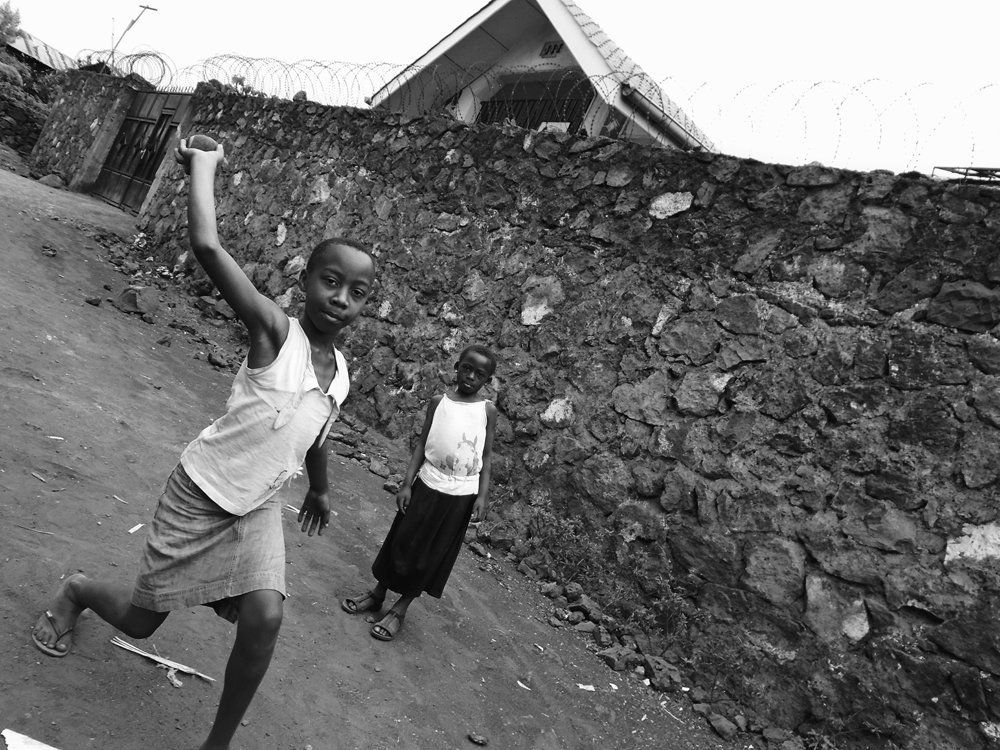
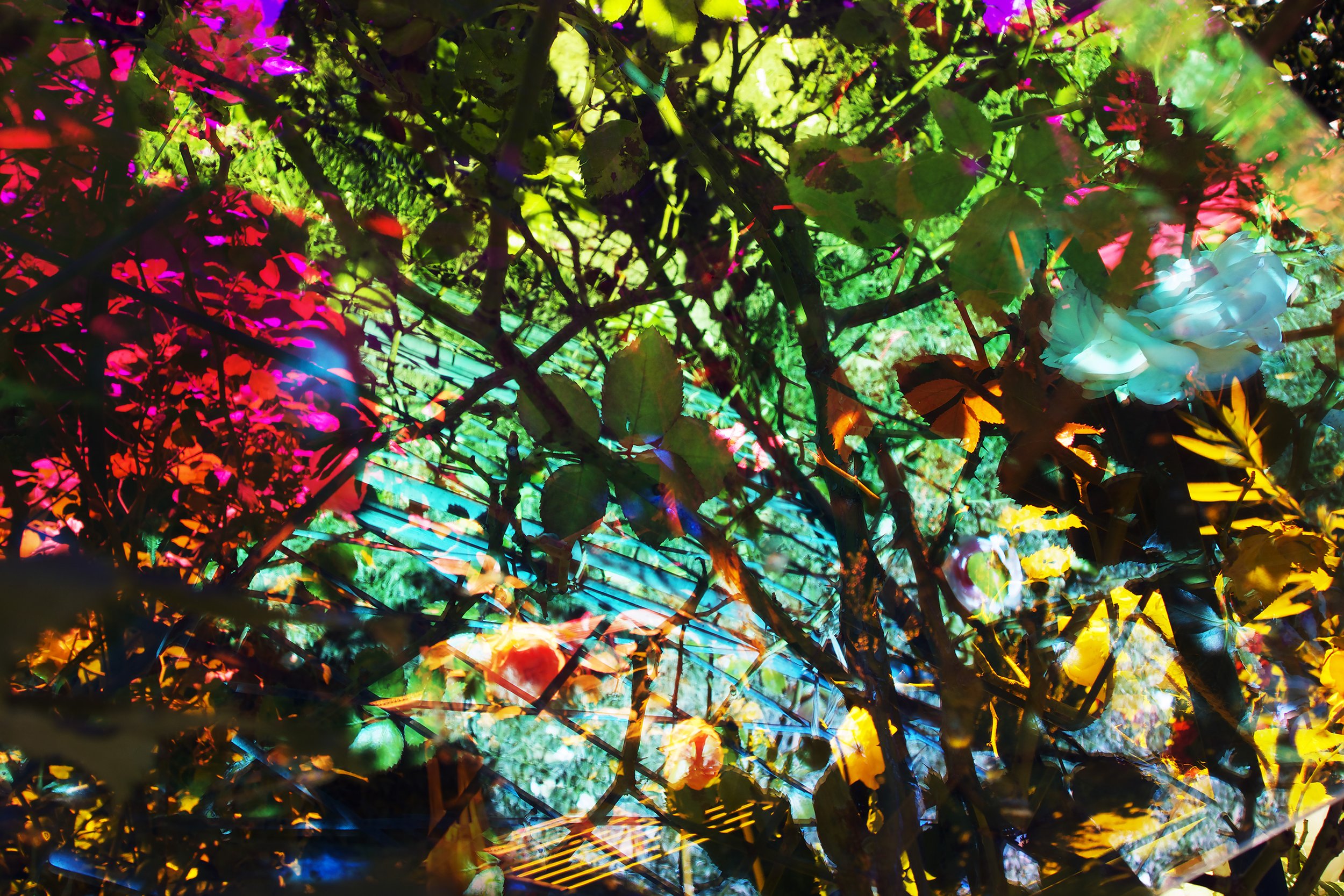
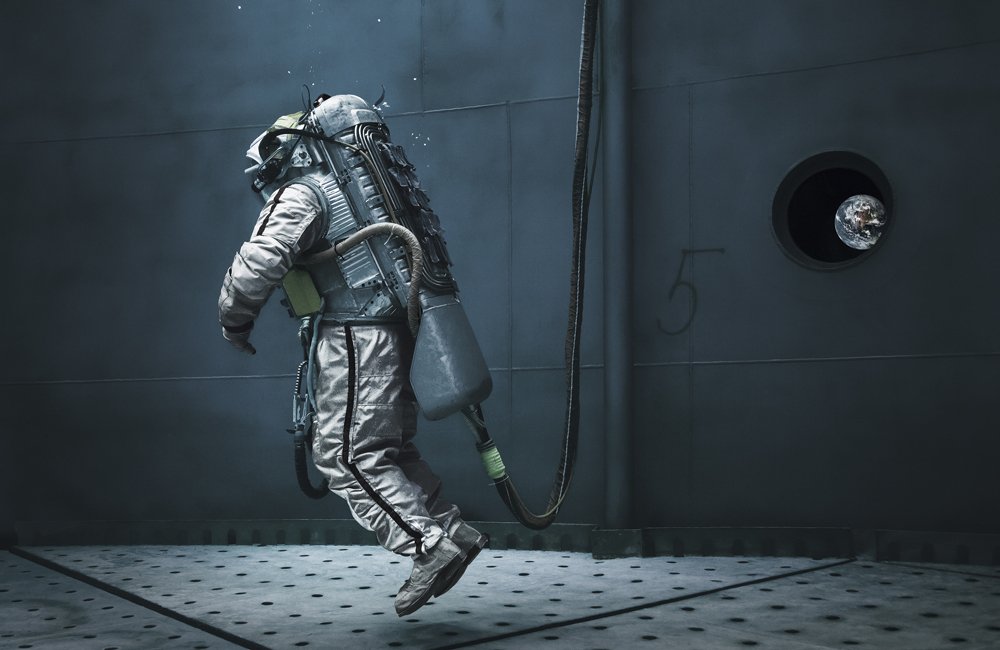
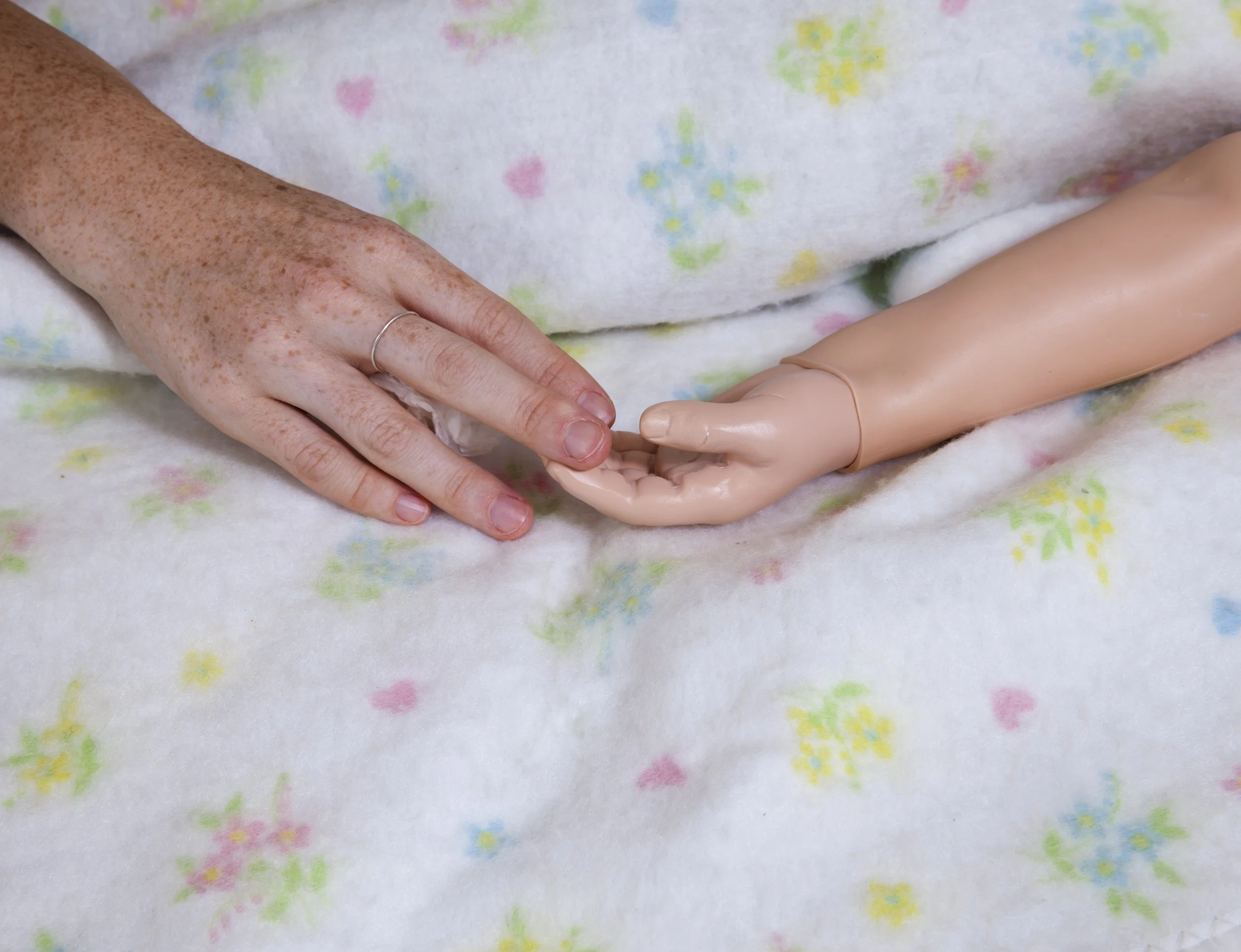
“Lonely Among Us'' explores the multifaceted experience of photographic subjectivity, unveiling how Brescia, Offen, and Spiridonova interpret and convey diverse narratives through their work. Each artist explores a variety of possibilities for visual storytelling, inhabiting the intersection between documentary and fiction. Brescia’s work is in dialogue with the traditional photographic visual language of the American West and seeks to find new ways in which to see and interpret the landscape. Working collaboratively with his wife, Offen immerses viewers in a fictional world situated against the backdrop of rural New England. His over seven year project explores topics of mysticism, character creation, and the relationship between an environment and its inhabitants. Spiridonova's photographs portray the Russian community in Boston depicting themes of displacement, assimilation, effects of war, and fear of political retaliation. The exhibition will present the thesis work of all three photographers who completed the Master of Fine Arts program in Photography at the Massachusetts College of Art and Design this Spring.
Natalie Brescia (b. 1994) is an interdisciplinary artist working at the intersection of photography, handmade books, and installation. Born and raised on the Central Coast of California, Brescia’s artistic research is based on the mythos of the western landscape, exploring the concept of land as a container for personal and collective history, gesture, vulnerability, and associated memory. Brescia holds a Bachelor of Arts from the University of California, Santa Cruz and a Master of Fine Arts from the Massachusetts College of Art and Design.
Scott Offen (b. 1960) is an American East Coast photographer whose work has been exhibited across the United States and prominently featured online. Scott holds a Bachelor of Fine Arts and a Master of Fine Arts from Massachusetts College of Art and Design. He was selected as a finalist for the Critical Mass top 200 Photolucida award in 2021 and has been chosen as a participant in the Chico Hot Springs Portfolio Review in 2020 and 2021.
Yulia Spiridonova (b. 1986) is a contemporary artist working primarily with photography, collage, and installation. Born in Moscow, Russia, in 1986, she currently resides and works in Boston, Massachusetts. Her art has been exhibited in Russia, the United States, and various countries across Europe. Yulia holds an undergraduate degree from Moscow State University (2008) and a post-baccalaureate certificate from Massachusetts College of Art and Design (2014) and a Master of Fine Arts at Massachusetts College of Art and Design (2024).
For press and other inquiries, please email: info@benrubigallery.com

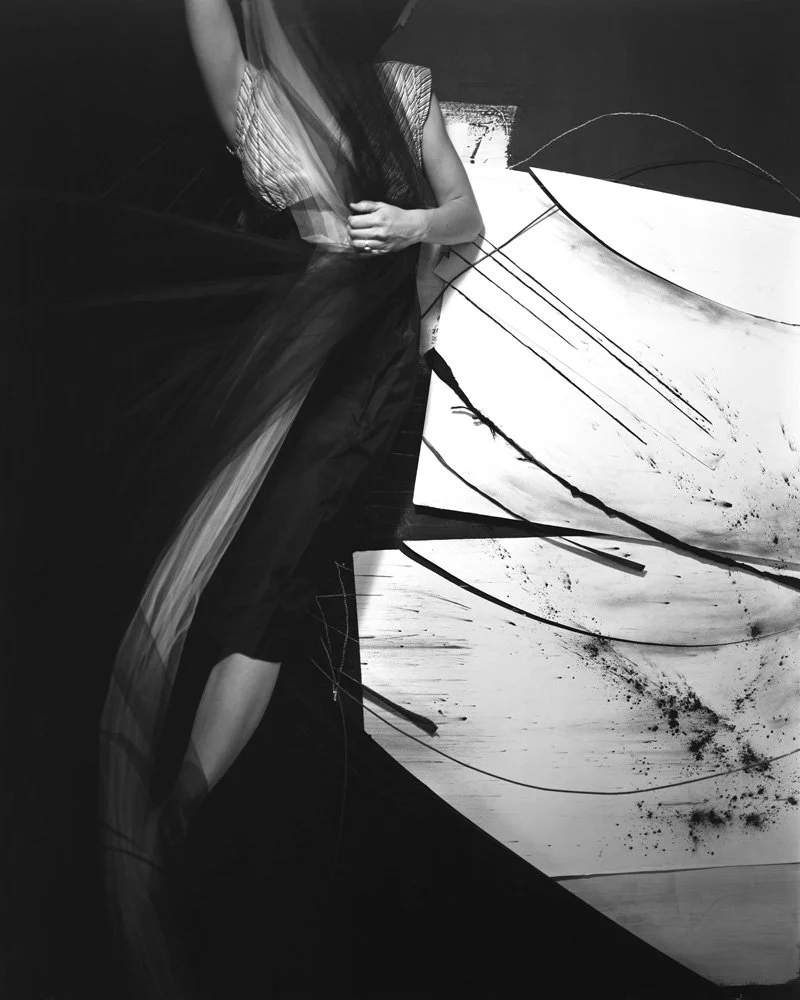
LAUREN SEMIVAN - SPOKEN BY A GHOST


Lauren Semivan (b. 1981) was born in Detroit, Michigan. She received a BA in studio art from Lawrence University in Appleton, Wisconsin in 2004, and an MFA in photography from Cranbrook Academy of Art in 2006.
Her work has been exhibited at the Nelson Atkins Museum of Art, Cranbrook Art Museum, Blue Sky Gallery, Silver Eye Center for Photography, Paris Photo, The Griffin Museum of Photography, The Hunterdon Art Museum, and Museum of Wisconsin Art among others.
Lauren's work was recently published in With Eyes Opened: Cranbrook Academy of Art Since 1932, Harper’s Magazine, and Series of Dreams (Skeleton Key Press, 2018). Reviews have appeared in The New Yorker, Interview Magazine, The Village Voice, and Photograph magazine, and is included in permanent collections at the Nelson Atkins Museum of Art, Cranbrook Art Museum, The Wriston Art Galleries at Lawrence University, and The Sir Elton John Photography Collection.
For press and other inquiries, please email: info@benrubigallery.com