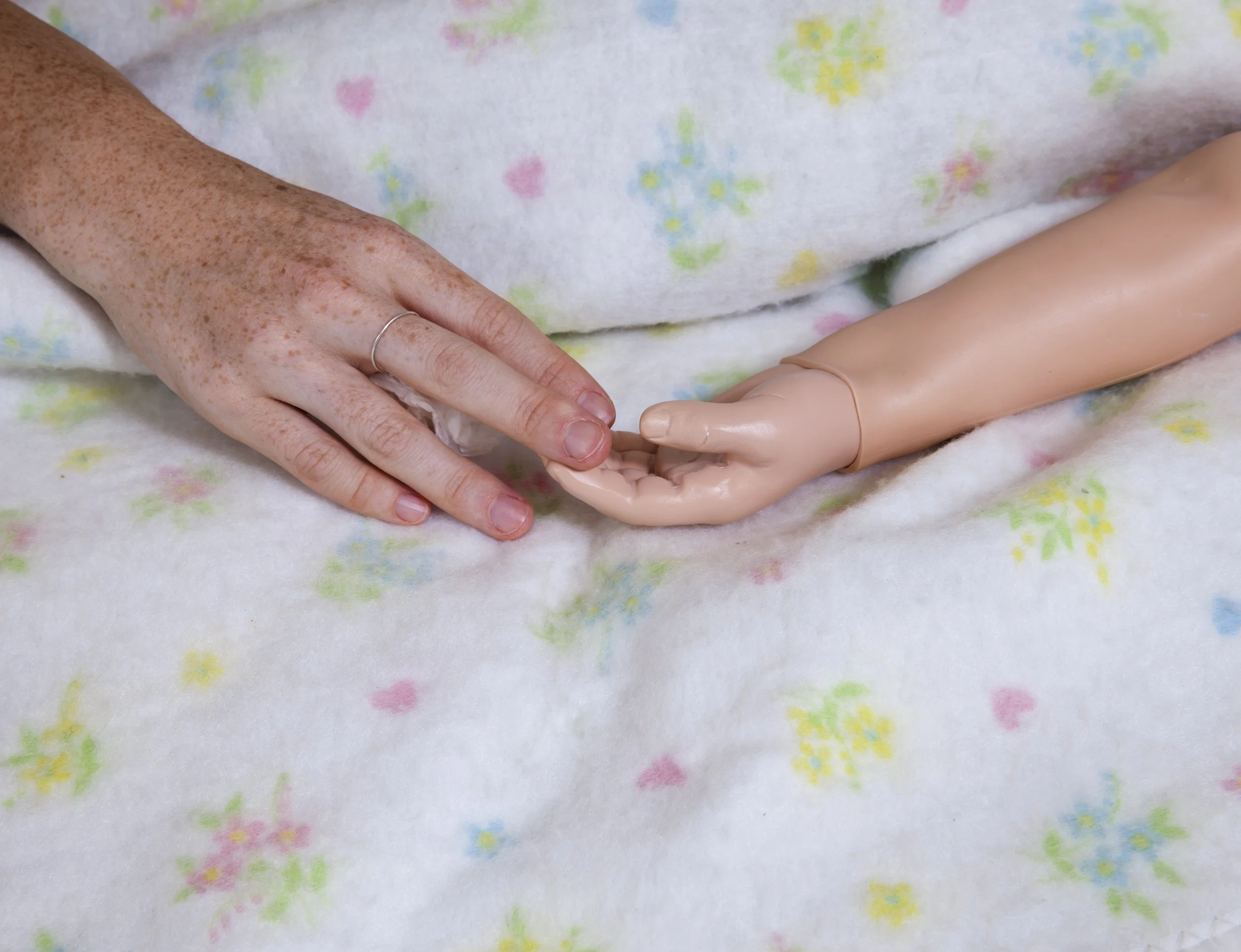
On View
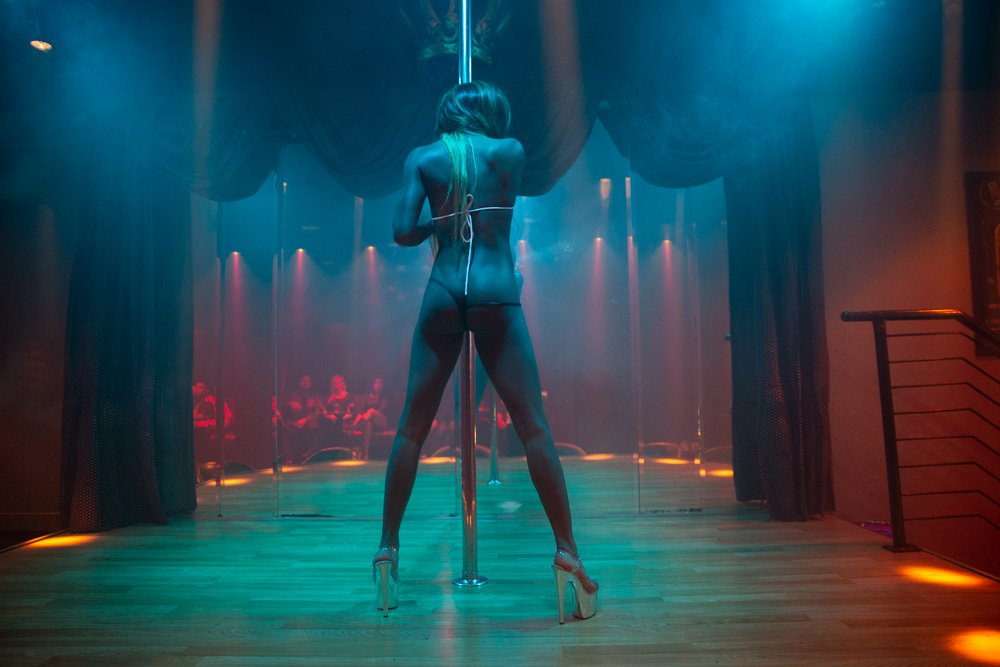
RACHEL LENA ESTERLINE - HEAVEN IS A STRIP CLUB


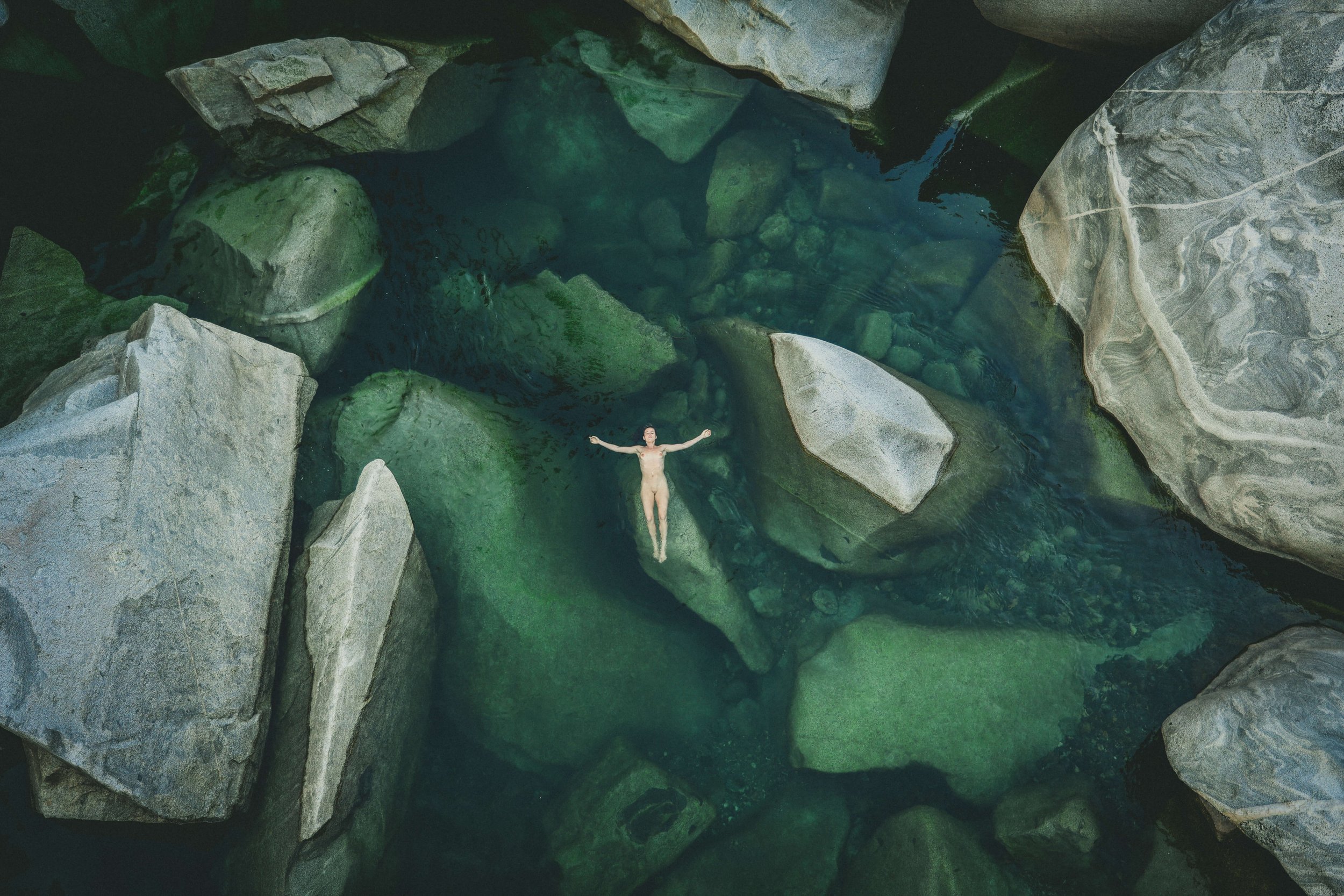
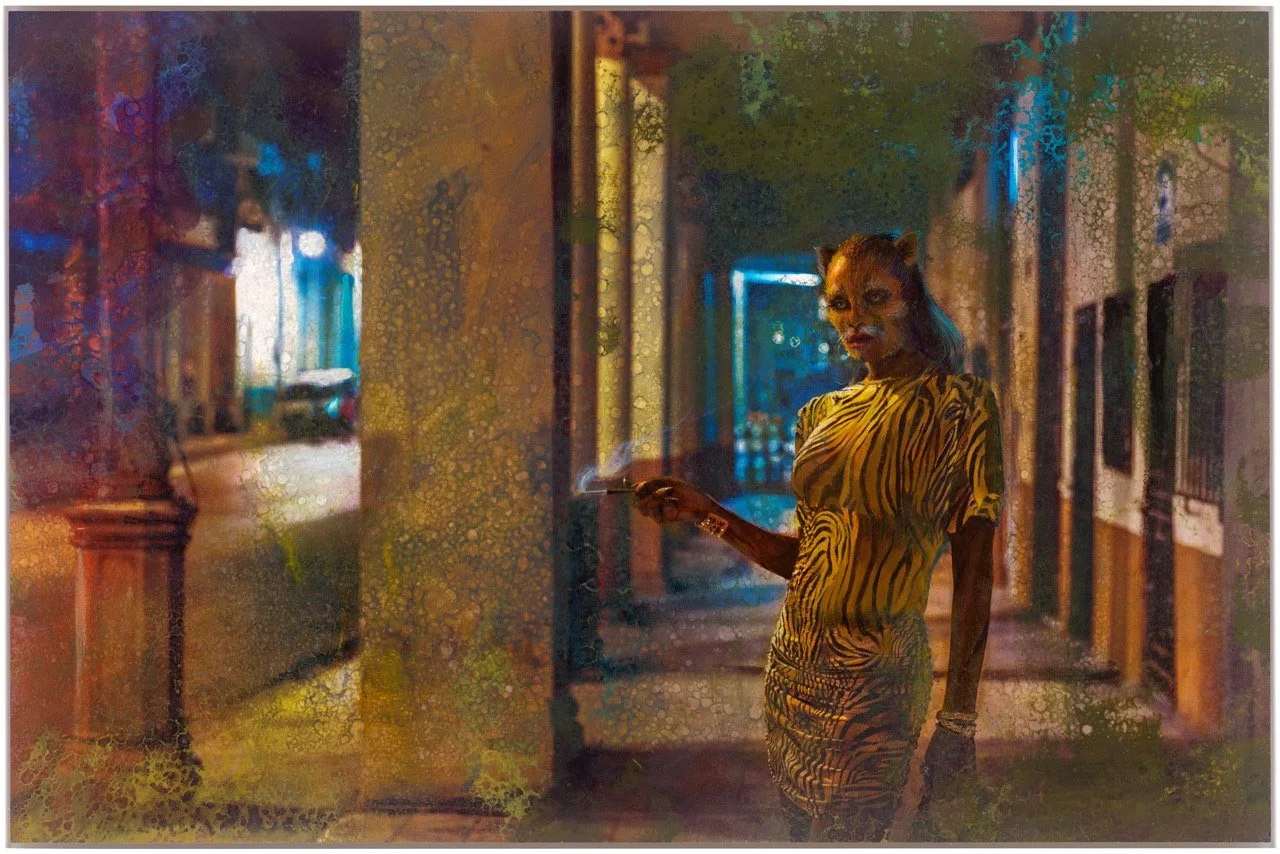
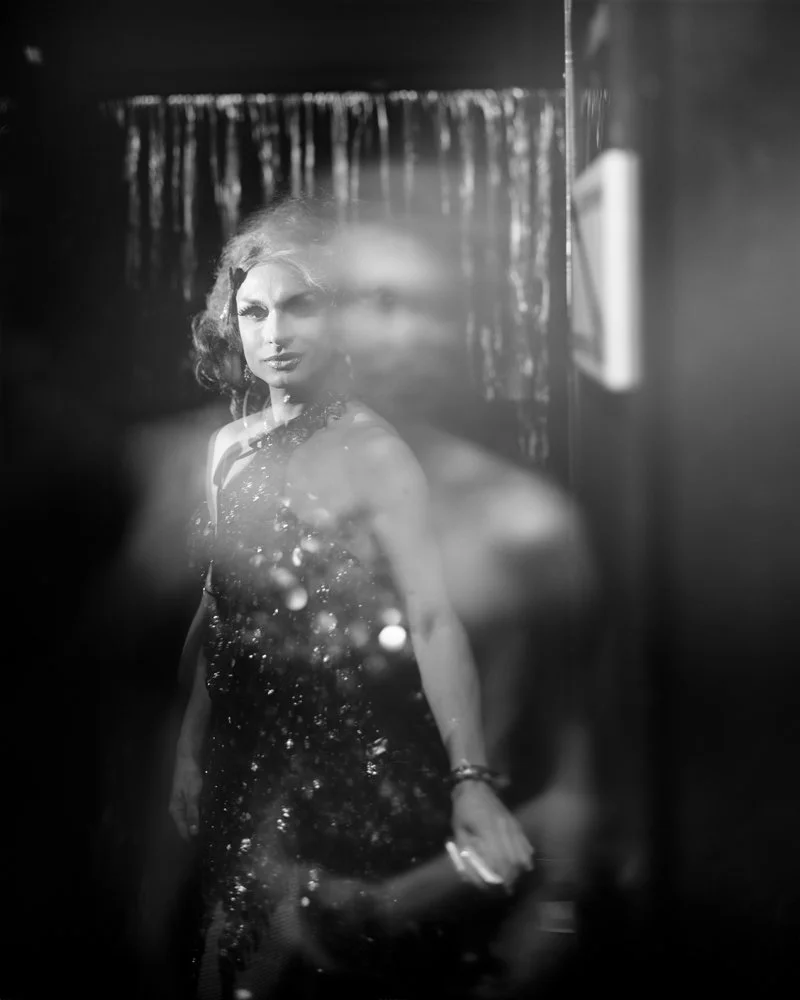
Benrubi Gallery is pleased to present Heaven is a Strip Club, Rachel Lena Esterline's first exhibition with the gallery. Rachel has spent the last five years documenting women who are sex workers. In 2013, she entered a strip club on a freelance gig where she was hired to take marketing photos of the entertainers. Up until that point, Rachel had been conditioned by her father - a Christian pastor to only understand strippers as downtrodden women with few prospects. Almost immediately, her feelings of shame and sadness morphed into feelings of admiration and respect for these women as pillars of strength in charge of their own destiny. Over the course of five years, Rachel has built lasting relationships with each subject, attending college graduations, baby showers and art openings with women she now calls her sisters. Through the medium of photography, Rachel seeks to shatter stereotypes and works to lift the deadly stigma surrounding sex work. Disinterested in the salacious and superficial, her ethereal portrayals of women are unapologetically beautiful celebrations of women who take off their clothes for a living.
“I grew up very sheltered. I wasn’t even allowed to listen to secular music. Halloween was a night when we turned off all the lights so kids wouldn’t come knocking on our door. Eventually I performed quintessential acts of teenage rebellion, and broke down the walls built up inside me, the conditioning of my upbringing by both family and society. I had first been to the Gold Club in San Francisco 18 years ago. I was auditioning to be a stripper, and it didn’t end up working out. It wasn’t until 13 years later when I walked back into that same club with a camera in my hands that I felt so comfortable and confident that this was my purpose in life - to tell the stories of these women from the radical position of respect. Capturing the life and hustle of these women has been a life-affirming experience where I have discovered community, ambition, goddess and art.”
Rachel Lena Esterline is represented by the Benrubi Gallery in New York City. She lives in San Francisco with her plants.
For press and other inquiries, please email: info@benrubigallery.com
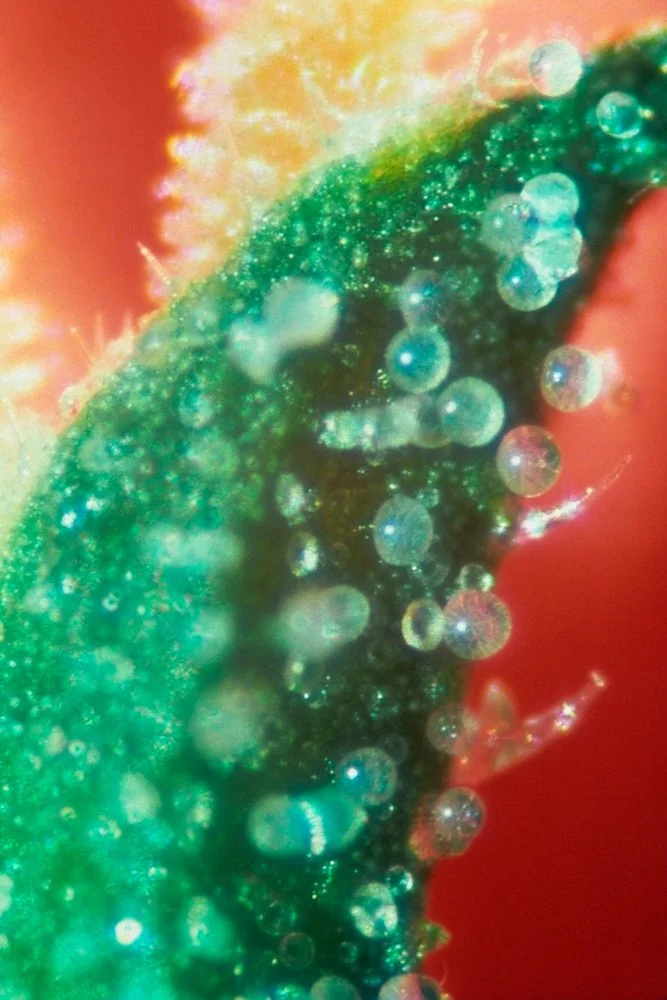
MEL FRANK - WHEN WE WERE CRIMINALS


Benrubi Gallery is pleased to present When We Were Criminals, the gallery’s first solo exhibition from Mel Frank. Frank, the pseudonym of James J. Goodwin, is the author of three books on cannabis cultivation which have sold more than one million copies. His Marijuana Grower’s Guide Deluxewas the first serious manual on cannabis cultivation, and has been called by the New York Times “as accessible a study at this high level of seriousness as one is likely to find."
In addition to growing and instructing others on how to grow, Frank has also been documenting the process visually for more than forty years. When We Were Criminals features images from the late 1970s and early 1980s, when marijuana use was popular but far less acceptable than it is today. His images are playful and sometimes sly without being coy, seductive and fecund and sometimes almost nerdy. In one image, a grower’s face is concealed behind an iconic digitate leaf; in another, a grower seems to be disappearing into a dense stand of fully-grown plants. The hidden identities are no doubt a reflection of the plant’s illegality, yet they can’t help but recall a newly self-aware Adam and Eve in Eden, hiding behind their fig leaves.
Yet there’s no shame here. Frank’s images are purely celebratory, from the conviviality of a passed joint to a circle of harvesters manicuring buds like a family shucking corn or shelling peas. Details of leaves and flowers delight in the subtle shades of gray and purple amid the textured green, while even more extreme closeups of resin glands have the hallucinatory quality of altered states of consciousness. The overall impact of these images is of harmonious collective activity, cautious but celebratory, and years ahead of its time. As the stigma falls away from cannabis usage and the emphasis shifts from recreation to wellness, Frank’s images acquire new significance in movement to legalize marijuana in the Northeast and the rest of the country.
Significant for this New York exhibition, most of his field shots were taken within an hour's drive from Manhattan. During that time, New York authorities were still unaware of what the state’s fertile fields were yielding, unlike in California where helicopters scoured mountainsides, and the DEA searched the countryside looking for cannabis grows.
It’s been said that if you’ve ever consumed marijuana the plant you imbibed probably has its origins in the horticulture of Frank and his colleages in the 1970s. When We Were Criminalsgives a visible narrative to that evolution.
Mel Frank is the pen name of James J. Goodwin (b. 1944). He served as a shipboard electronics technician in the US Navy from 1963 to 1967 and began growing cannabis in 1968 in his West 78th Street apartment. He received his BS in biology from CCNY in 1975. From his first cannabis growing article published in Rolling Stone's NY Flyer in 1971 through publications of photographs and critical texts in magazines, beginning with High Times and currently with Cannabis Business Times, to his recent career as lecturer and consultant for the burgeoning marijuana industry, Frank has earned the moniker “godfather of marijuana growers.” His life’s work in the field has been honored by two industry Lifetime Achievement awards. His work in photography is as consequential as has been his instruction: curious, careful, comprehensive, and charming.
For press and other inquiries, please email: info@benrubigallery.com
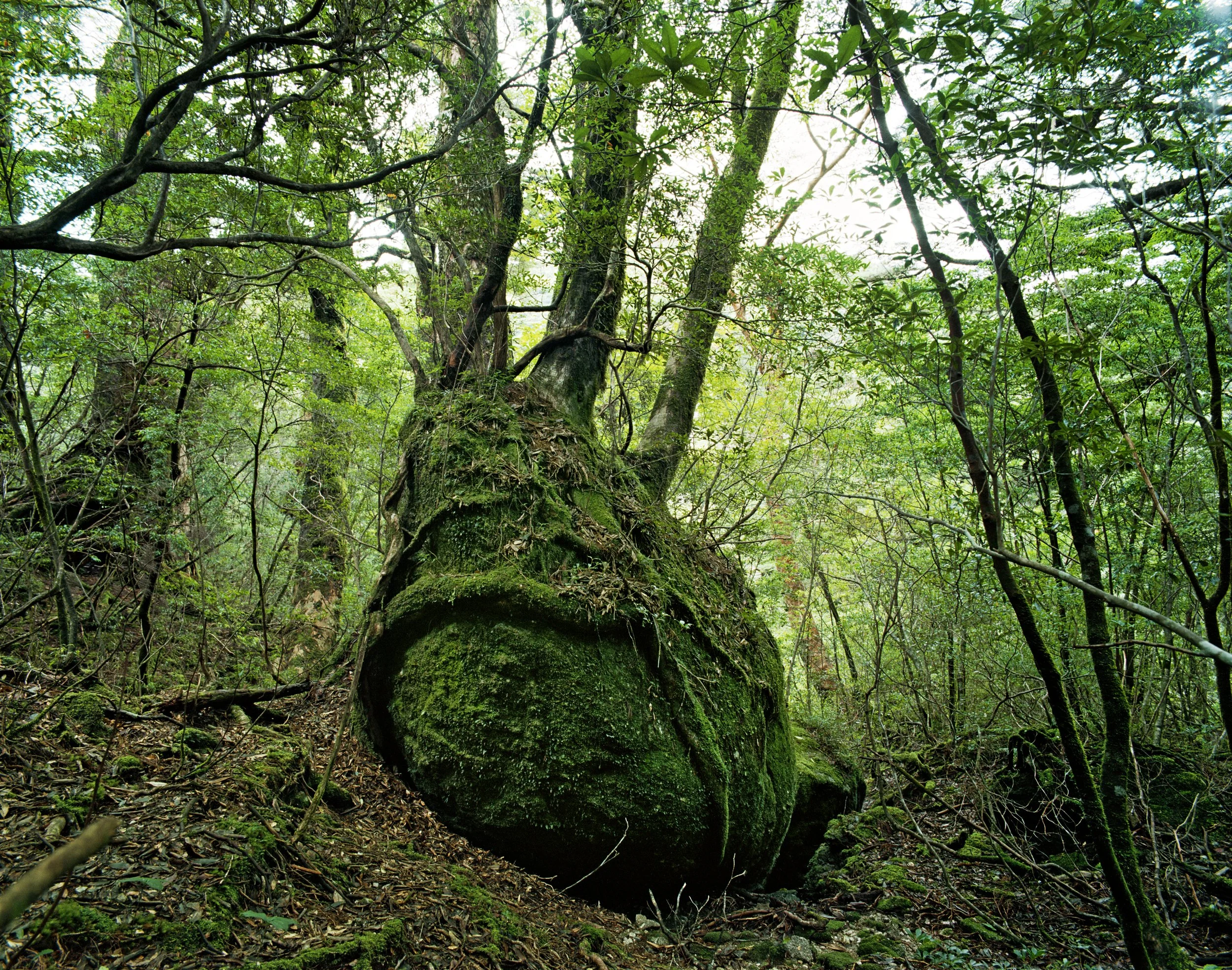
JACQUELINE HASSINK - UNWIRED
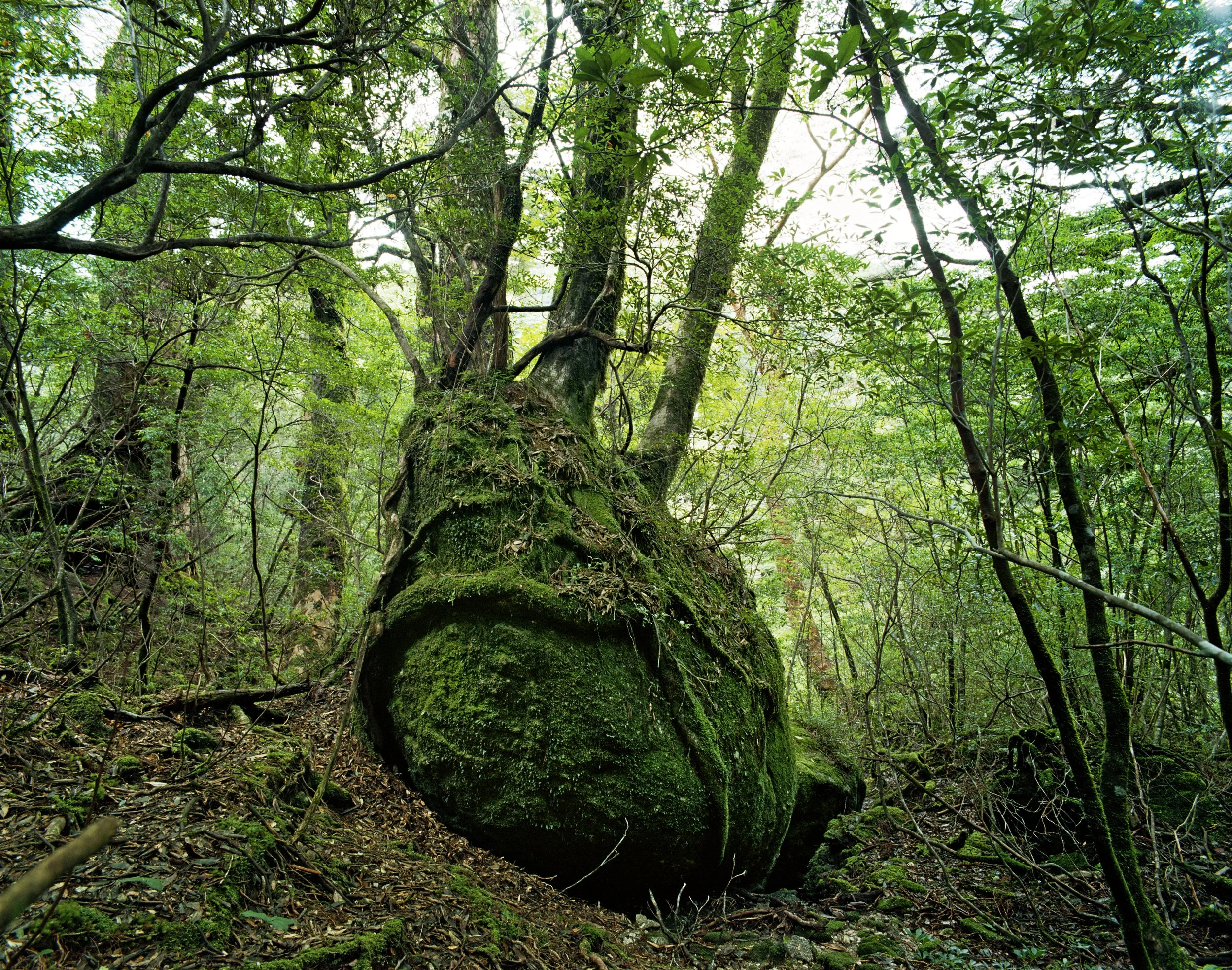
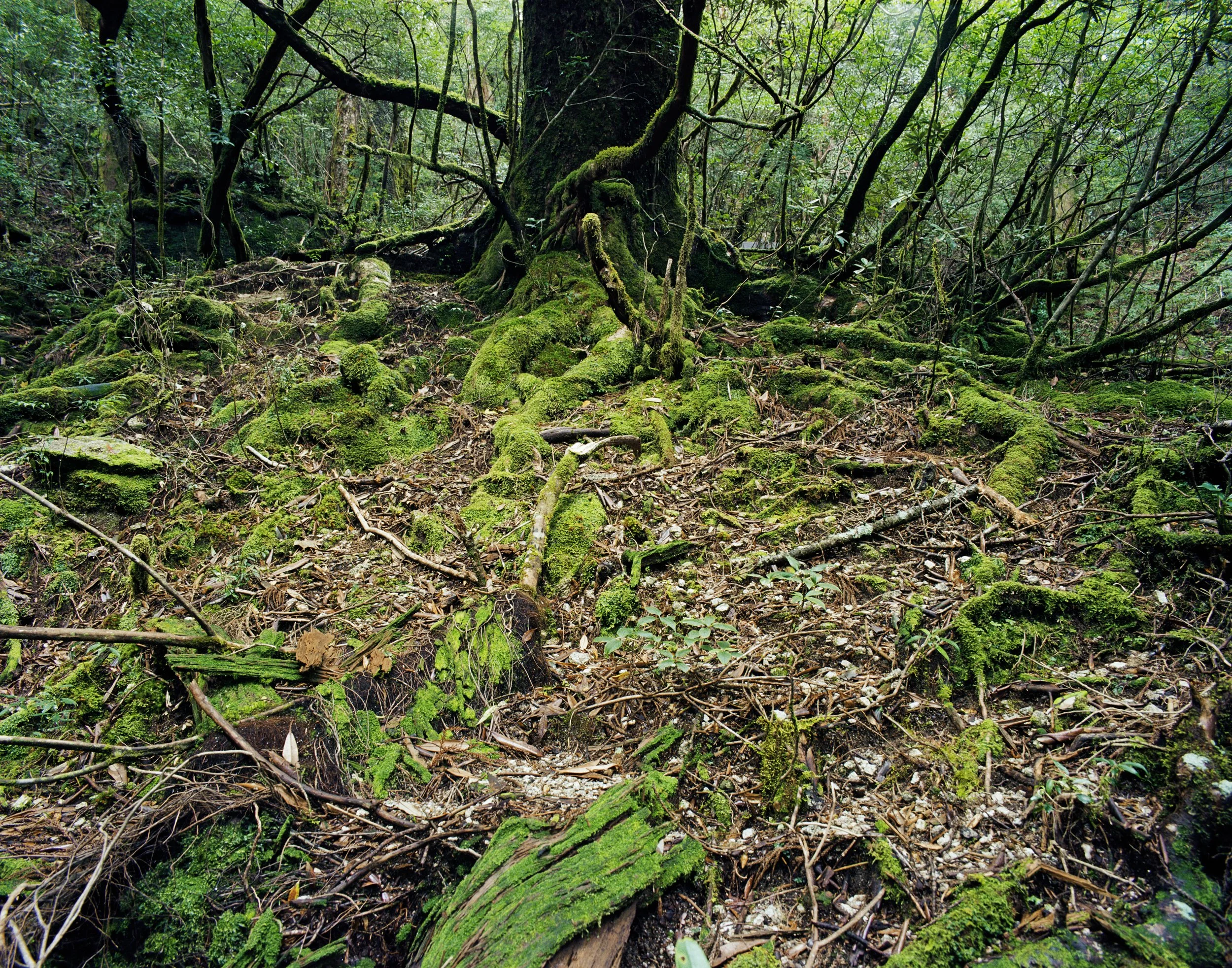
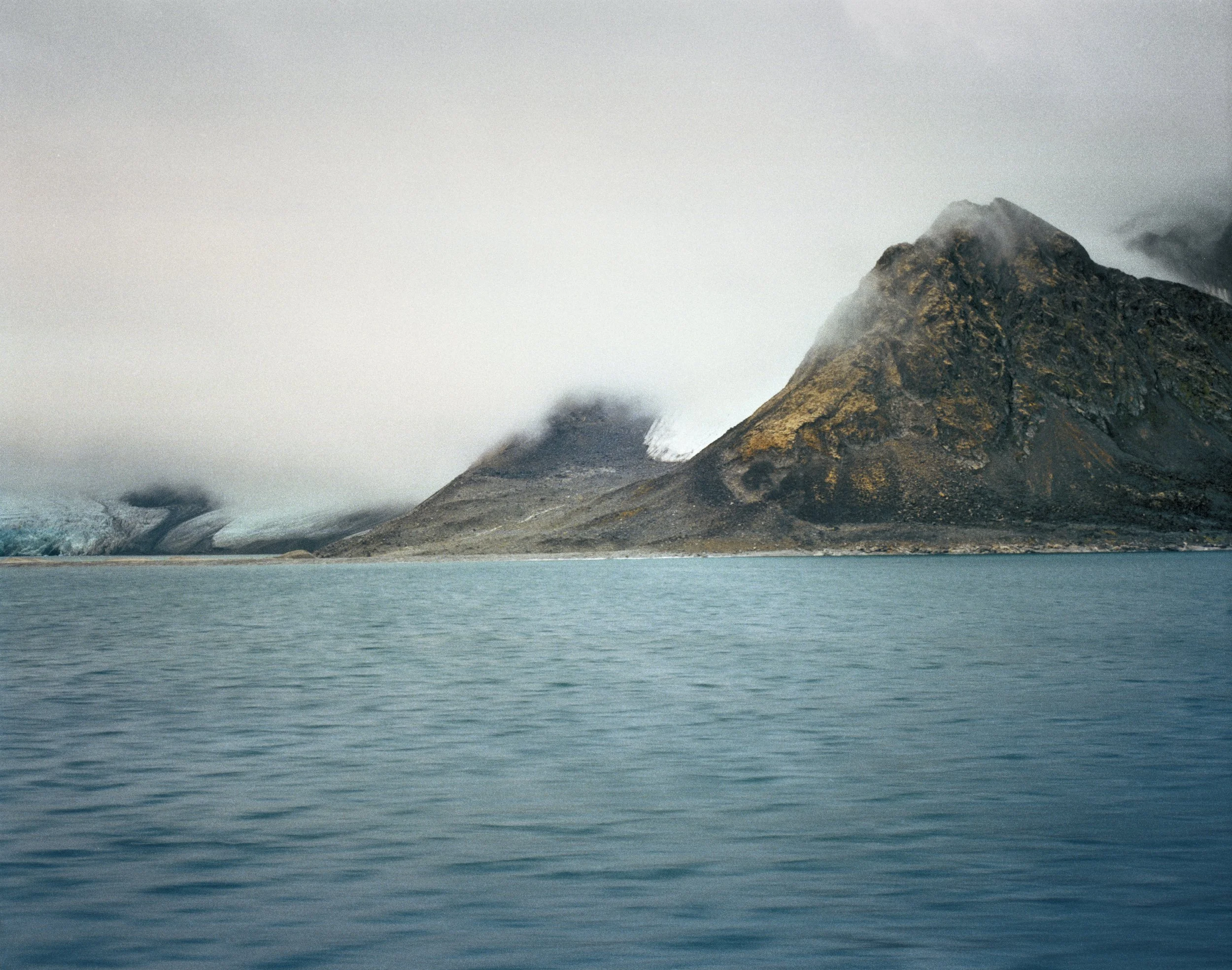

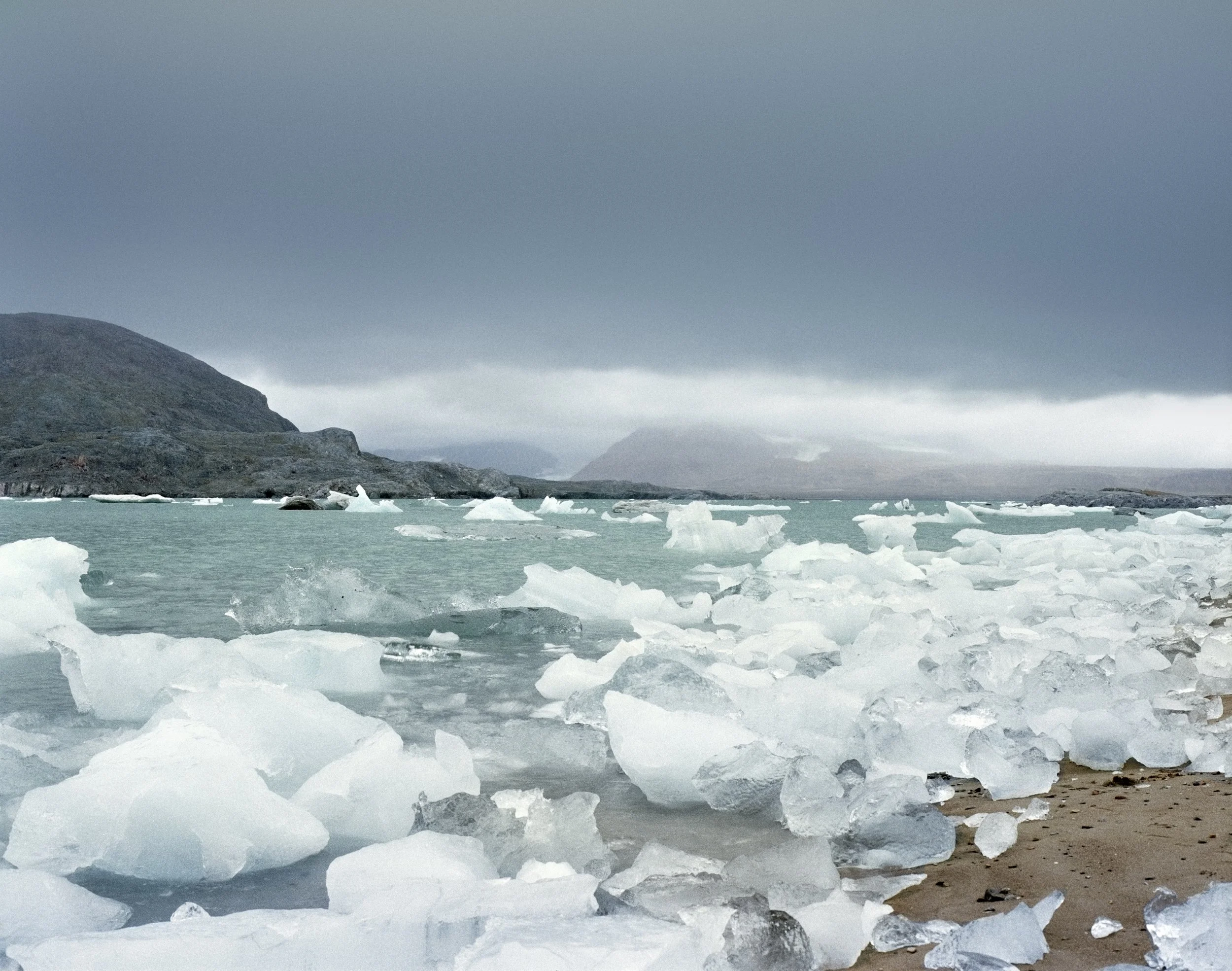
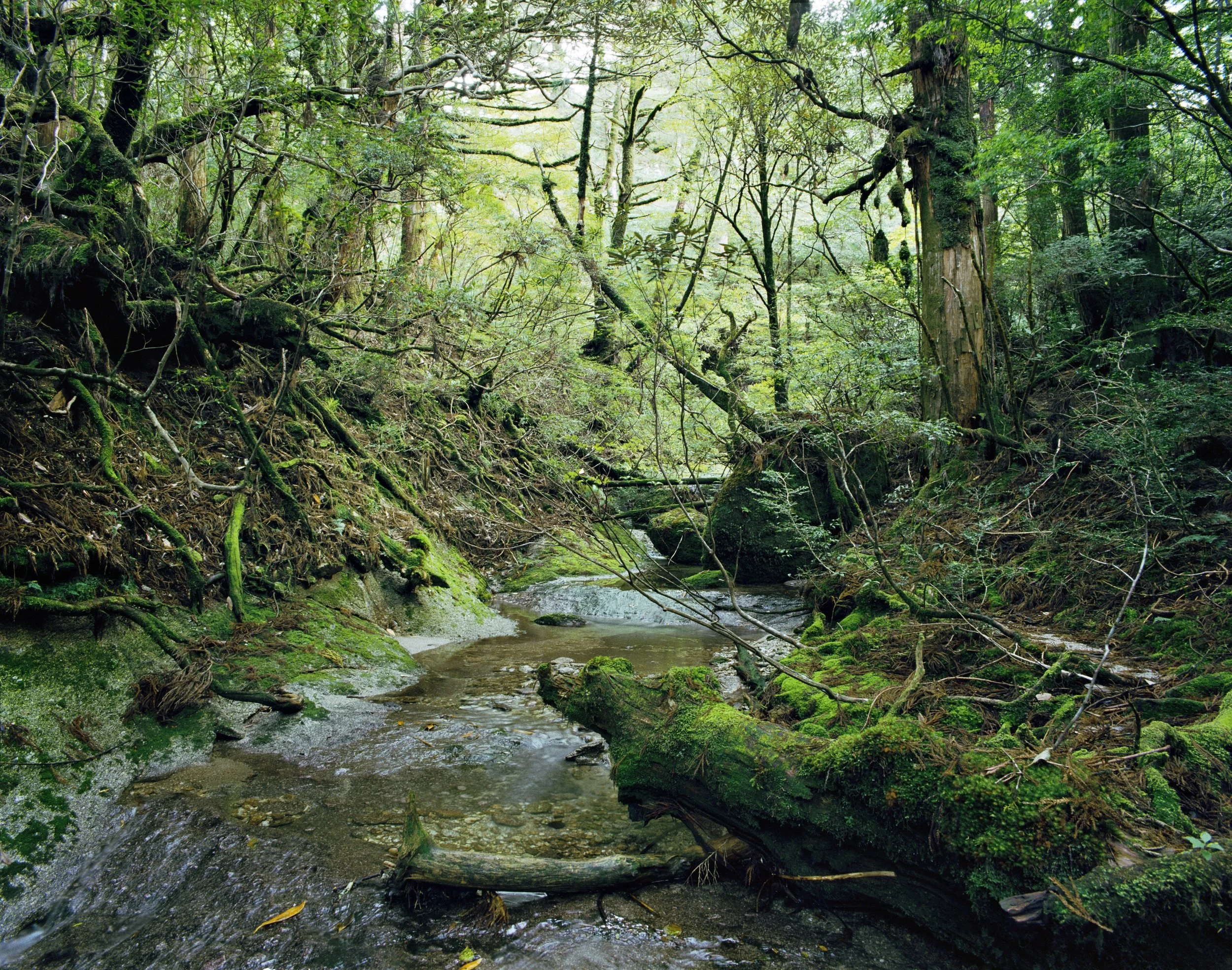
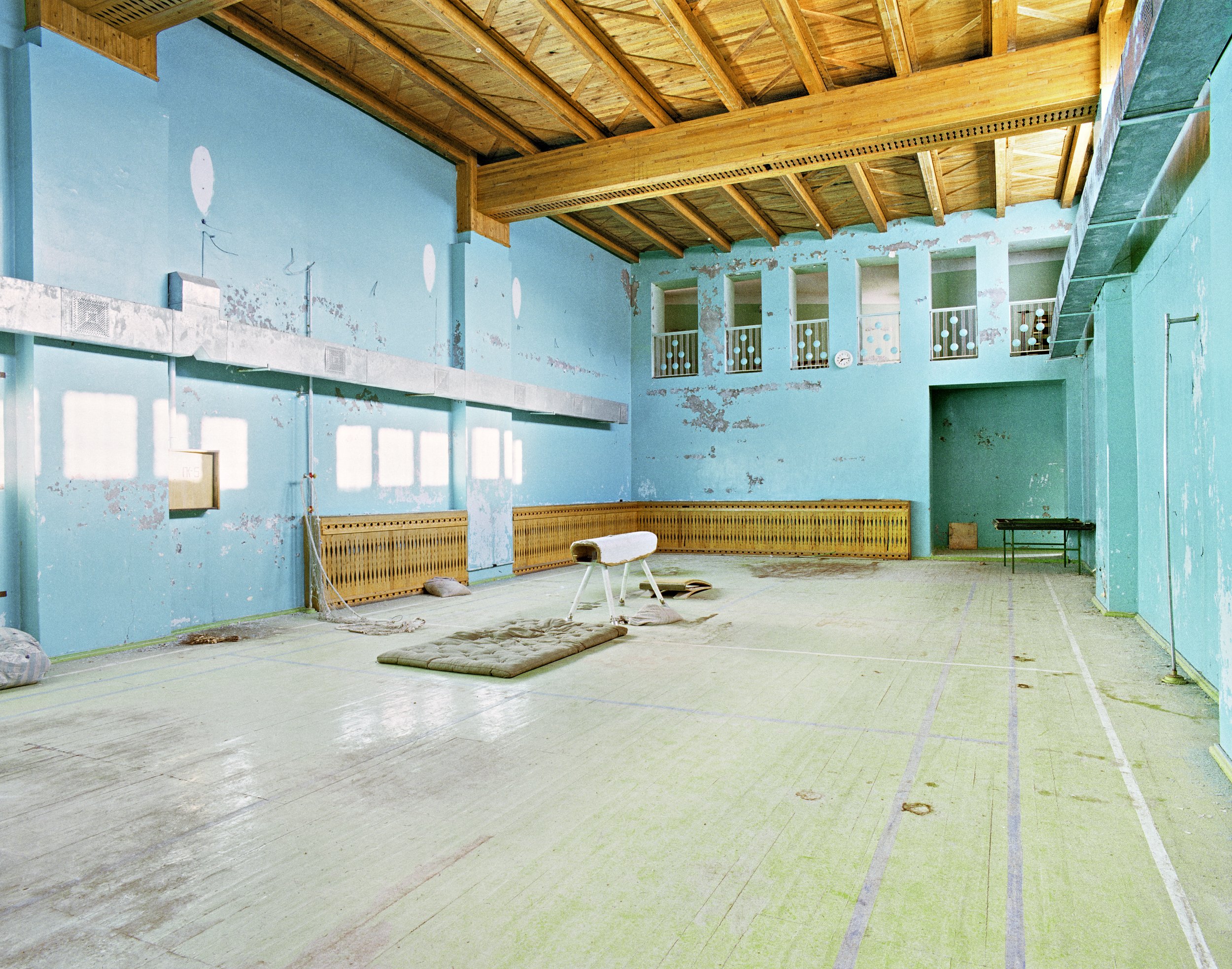
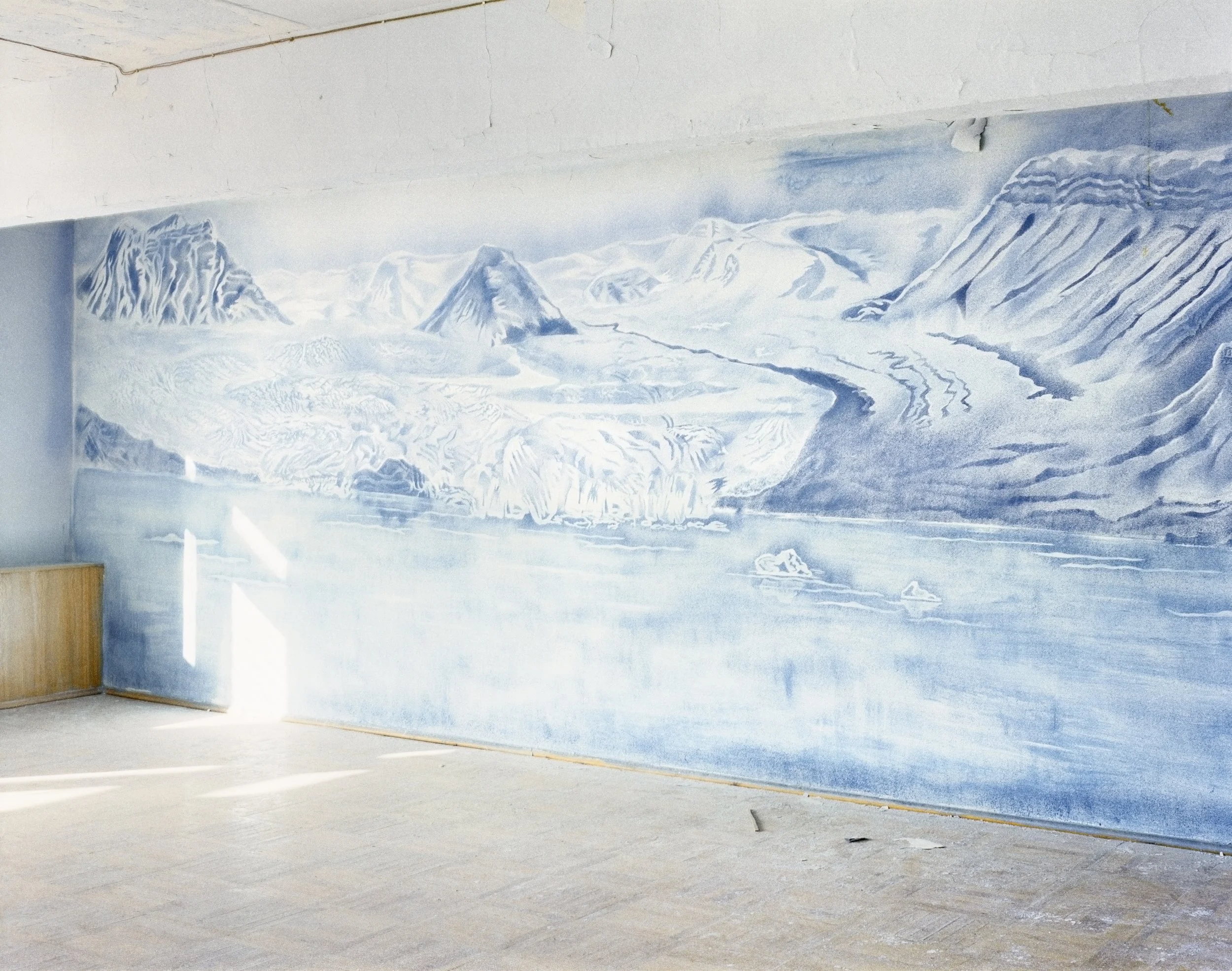
Benrubi Gallery proud to present Unwired, the latest solo exhibition from internationally acclaimed photographer Jacqueline Hassink. Unwired was born from Hassink’s desire to find places that offer neither cell phone reception nor wifi capability. The result is a series of arresting landscapes and interiors which stand in deliberate contrast to iPortrait (on view in the project room), featuring photographs of public transportation users in Shanghai, Moscow, New York, Tokyo, Seoul, Paris and London.
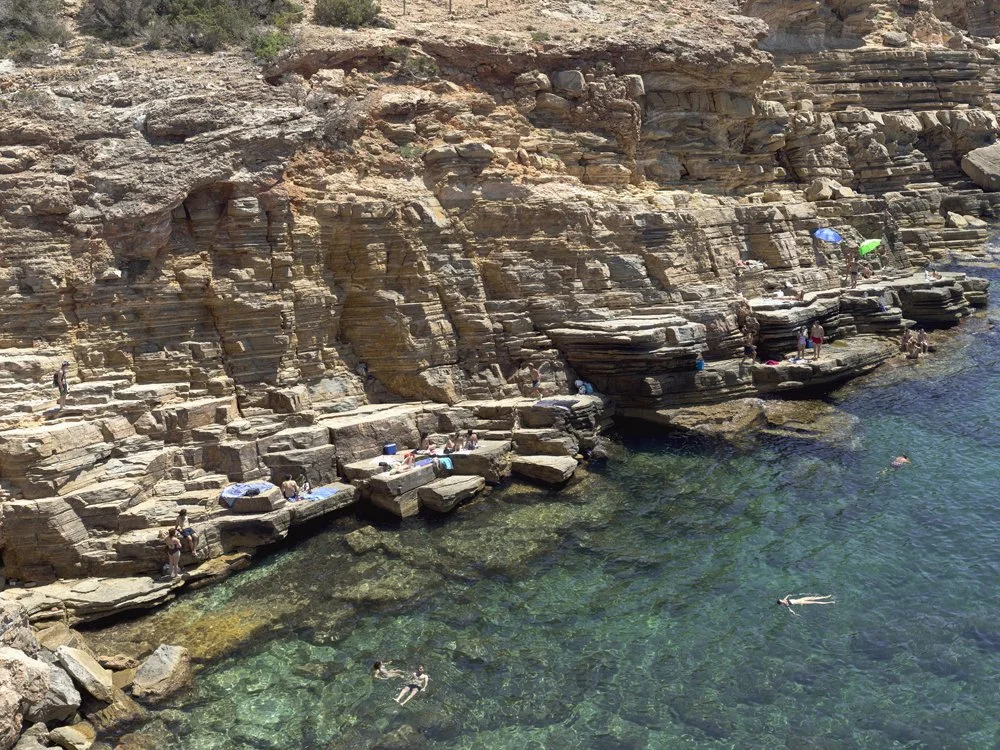
For the photographs in Unwired, Hassink traveled to six locations globally as far afield as Yakushima, an island in the extreme south of Japan, and Svalbard, a Norwegian island near the Polar Circle. The landscapes are an intense study in blues and greens, by turns vivid and subdued, and shifting perspectives and horizon lines, some immeasurably vast, others foreshortened by curtains of vegetation. The contrasts make the viewer acutely conscious both of his or her body and its relationship to space. If the immediate effect is isolating, it gradually relaxes into the sense of being part of a different kind of network, global in the most literal sense of being “of the earth.” This feeling carries over into the exhibition’s two interiors, both of which emphasize the viewer’s perspective and the experience of looking, as well as the natural processes of decay and dilapidation. The message is clear: the things people make can be beautiful and useful, but they’re temporary. On the one hand, this reflects an awareness mono no aware, the Japanese aesthetic of the awareness of impermanence, but when we relate it back to the threatened environments in the landscapes we see a more pointed critique of an industrialized society.
This sense is only heightened by iPortrait, itself shot on several iPhones, that features images of subway riders using their smartphones. The environments are crowded but the photographs communicate the isolation of people lost inside their screens. In contrast to the feeling of connectivity that smart phone and communications companies relentlessly sell us, we see a series of individual cut off both from their immediate surroundings and, as suggested by the vast urban areas these means of transportation cover, the places they live as well. People interact not with their world but an idea of it, and in so doing may lose themselves as well.
Jacqueline Hassink (b. 1966, Netherlands) Hassink’s work has been widely collected and exhibited, including shows at Huis Marseille in Amsterdam; Fotomuseum Winterthur; ICP in New York and the Museum of Photographic Arts in San Diego; Tokyo Metropolitan Museum for Photography; The Photographers’ Gallery, the Victoria and Albert Museum and the Saatchi Gallery in London; the Guangzhou Museum of Modern Art, Fondation Cartier pour l'art contemporain (France) and recently at the Nederlands Fotomuseum in Rotterdam. It has also appeared in such publications as The Financial Times, Le Monde, The New York Times, The New Yorker, El Pais, Frankfurter Allgemeine, Süddeutsche Zeitung, De Standaard, NZZ, Newsweek, Fortune, and Wired. She is the winner of the Rencontres d'Arles 2002 Unlimited Award and the Dutch Doc Award 2013. She was shortlisted for Prix Pictet 2012, one of the most prestigious photography prizes in the world. In 2013 she was shortlisted for the Henri Cartier Bresson Award. In 2017 she won the Dutch Design Award for the app White Spots that was developed by Richard Vijgen in collaboration with Bregtje van der Haak. This year her book Unwired is shortlisted for the PHotoESPAÑA 2018 Best Photography Book of the Year Award.
For press and other inquiries, please email: info@benrubigallery.com
REY PARLA - MULTIPLICITIES


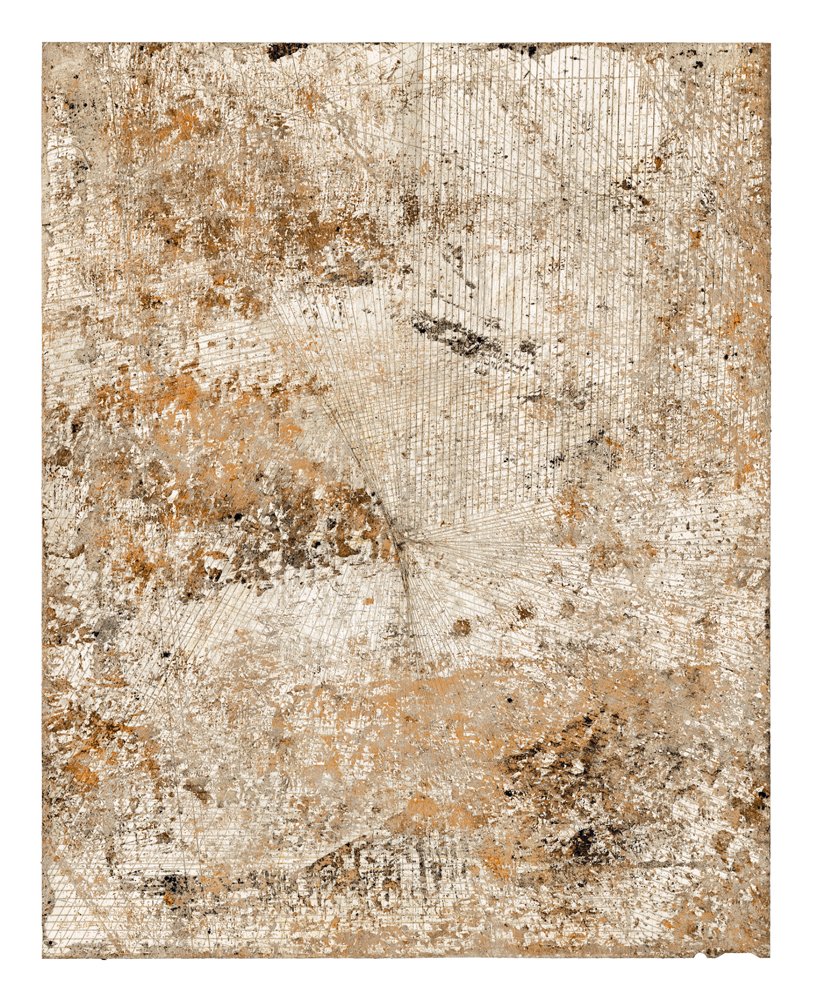


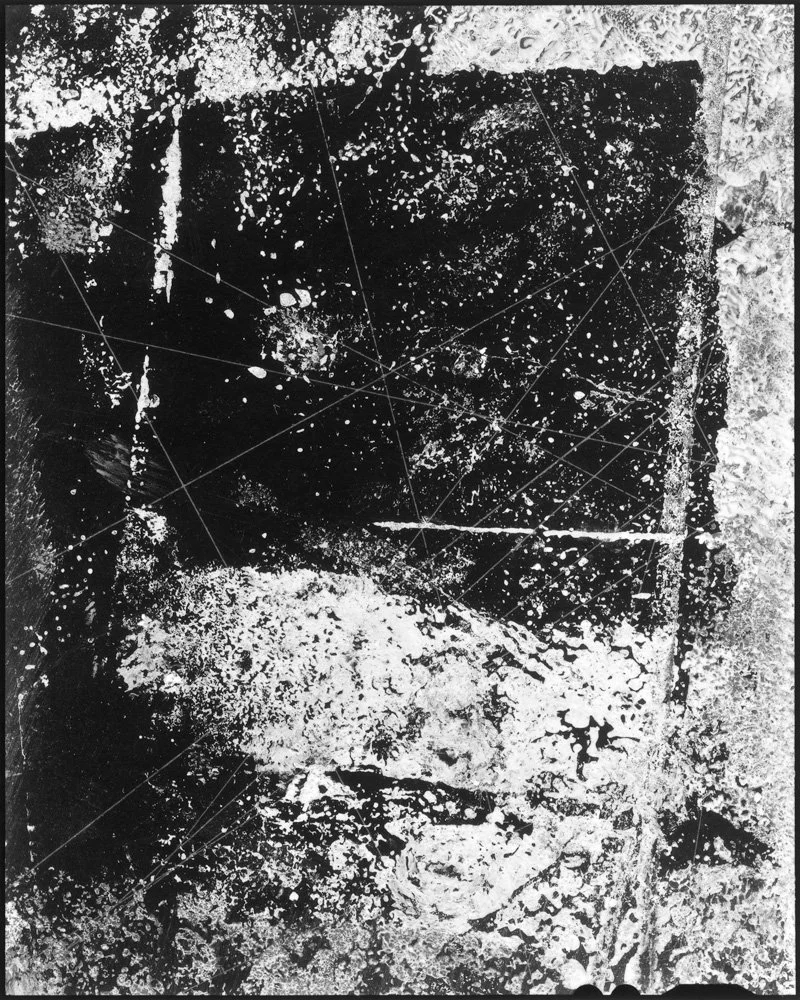


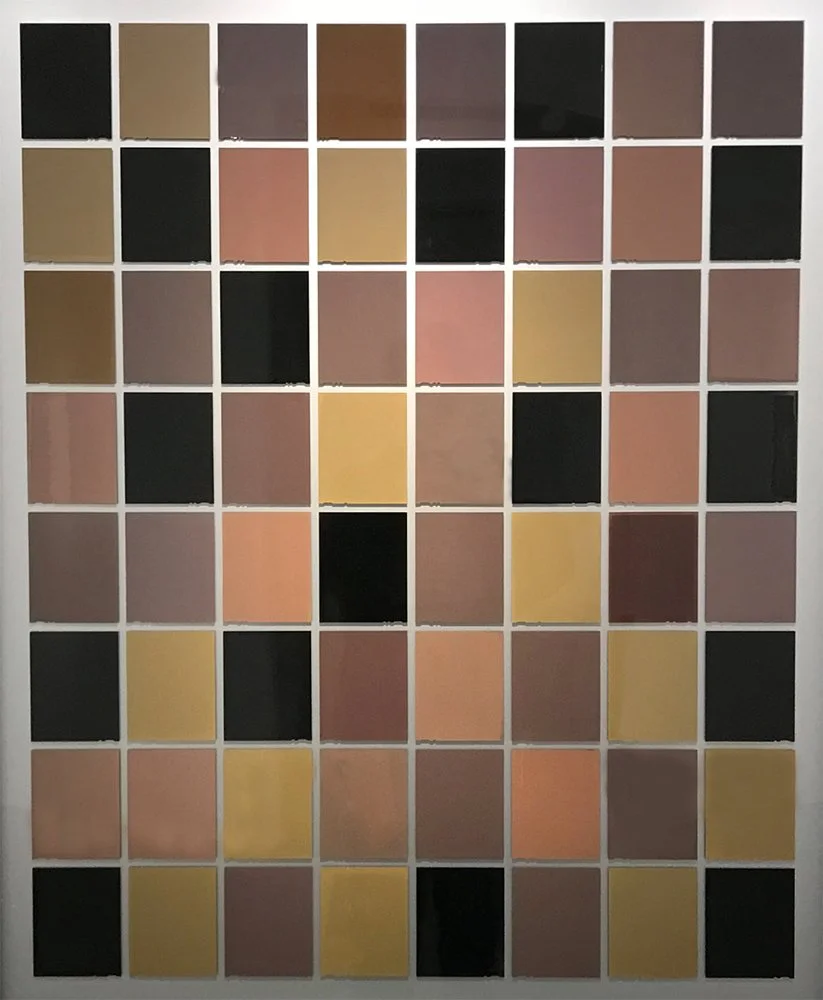


Benrubi Gallery is pleased to present Multiplicities, the gallery’s first solo exhibition by Brooklyn-based artist, Rey Parlá.
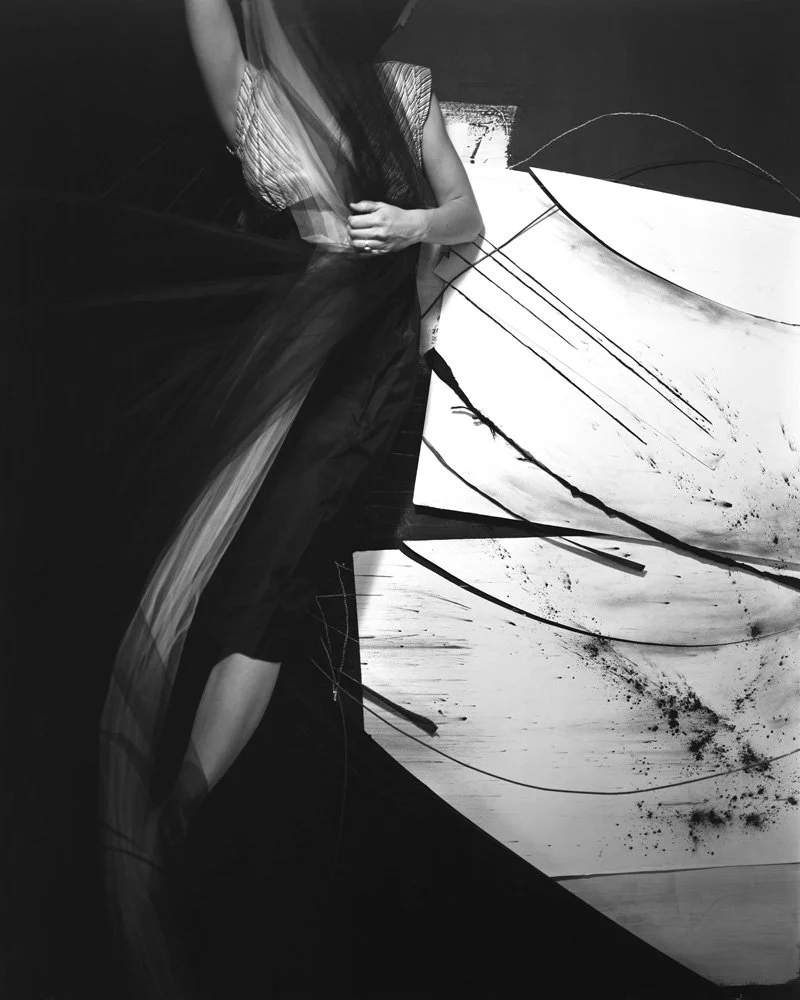
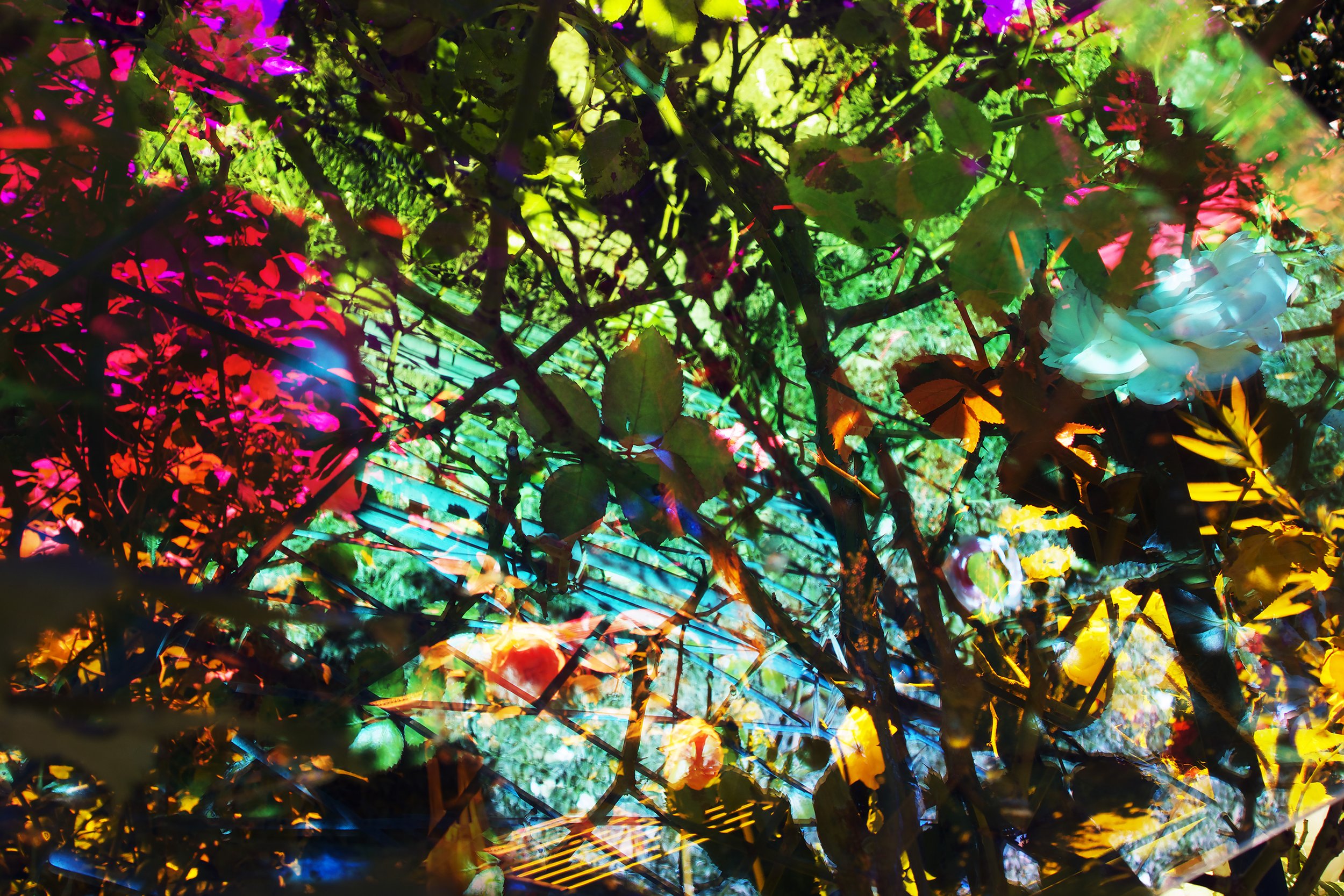
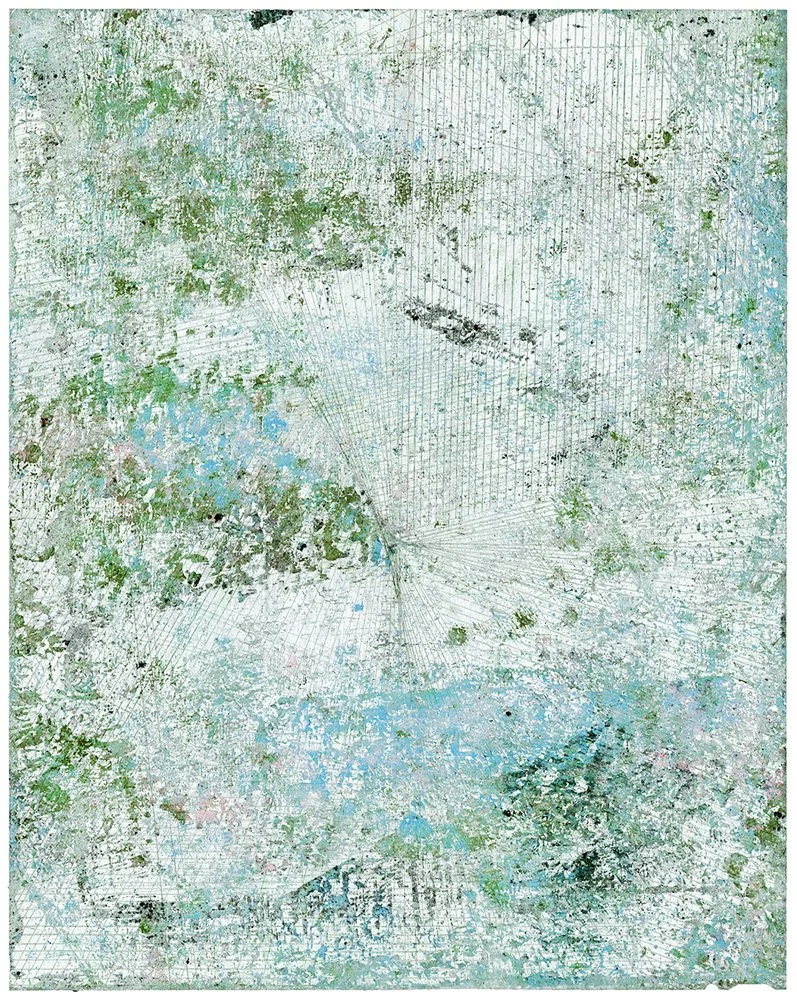
In Multiplicities, Parlá blurs the line between the image and the process, between intuition and surprise. The resulting works reflect the viewer's psyche and the artist’s subconscious. Parlá’s work is reminiscent of Lucas Samaras’s scratched Polaroids or Stan Brakhage's hand-painted films, filled with dynamic fluid forms that continually invite and rebuff identification and interpretation. Párla’s mixed-media approach towards identity and interest in pluralism and doing away with boundaries is evident in works like Shaped By Desire (2016) or Out of Time Again from his Kinetic Lumino series (2018).
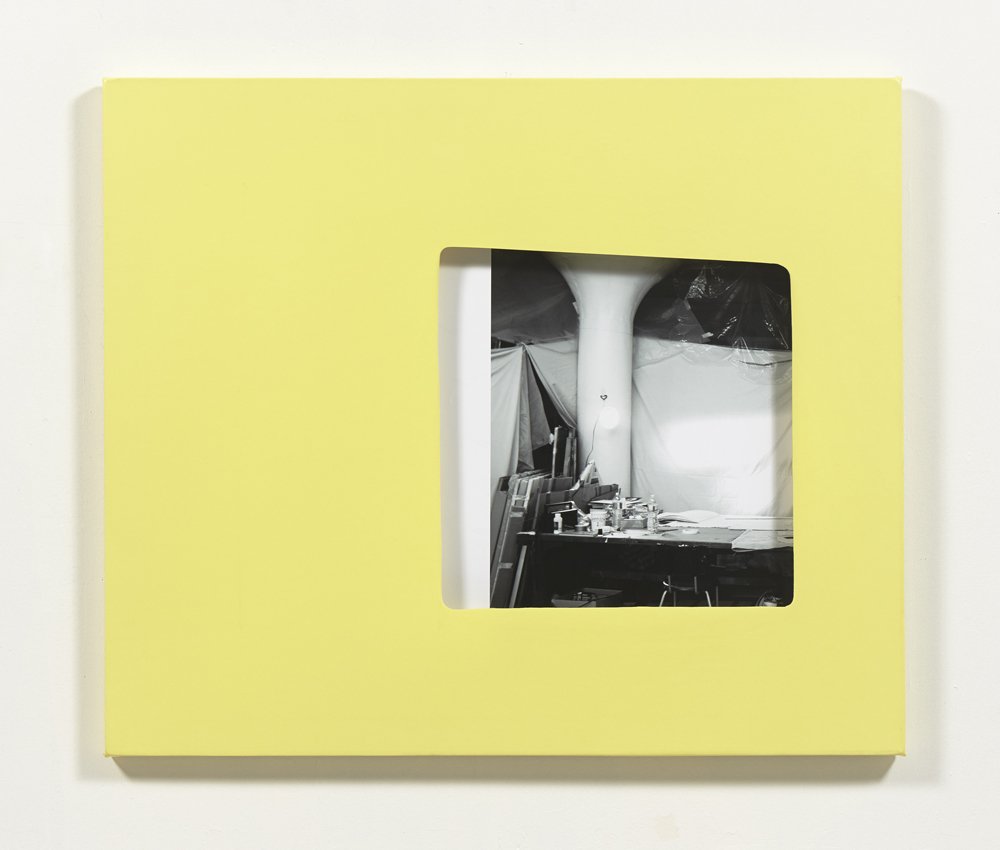
Some subjects are intensely reworked—manually manipulated, re-photographed, or altered until the original object is subsumed beneath layers of abstraction. The photographs become object and subject, or, as Parlá says: “The works for Multiplicities are the hybrid imprints of my soul and evidence of the passage of time. These created worlds are a reflection of me, self-portraits of my own multiplicity.” Maintaining a constant aesthetic has not been the aim in creating his mixed-media works, and Parlá wears his influences on his sleeve. An Ellsworth Kelly–inspired grid of 64 exposed 4 x 5 inch negatives entitled You, inhabits the Project Space. In the main gallery, a black-and-white silk-screen transparency mounted onto glow paper is surrounded by silver-gelatin prints and a large-scale painting. The lines he creates during his process not only scratch the surface of some of his negatives but also digs deep into the history and future of the medium, challenging our notion of what a photograph actually communicates.
Rey Parlá (b. 1971, Florida) earned a B.A. in English Literature and a Certificate in Film Studies from Florida International University in 2007. Parlá is a Cuban-American visual artist working in photography, painting, and filmmaking. He first received recognition for his “motion-paintings” at the 12th Annual Miami International Film Festival and has collaborated with performance artist Natasha Tsakos in Miami Beach, Vanessa Gocksch of Intermundos, and Ralph Falcón of Murk Records. Critical theorist, filmmaker, and collaborator Michael Betancourt, has written about Rey’s film work. Parlá has lectured at Savannah College of Art & Design on experimental time-based media and photography. Parlá’s work has been exhibited in New York City and Tokyo. His works are in various international private collections including the Nancy A. Nasher and David J. Haemisegger Collection.
For press and other inquiries, please email: info@benrubigallery.com
PATRICK D. PAGNANO - EMPIRE ROLLER DISCO


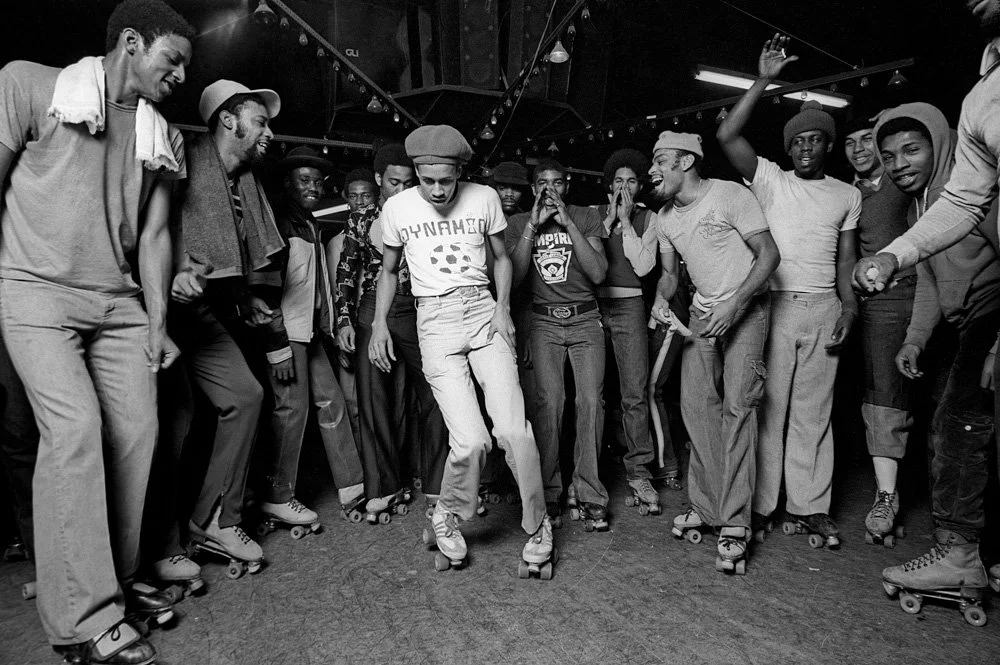
Benrubi Gallery is please to present a solo exhibition by street photographer Patrick D. Pagnano in the Project Space.
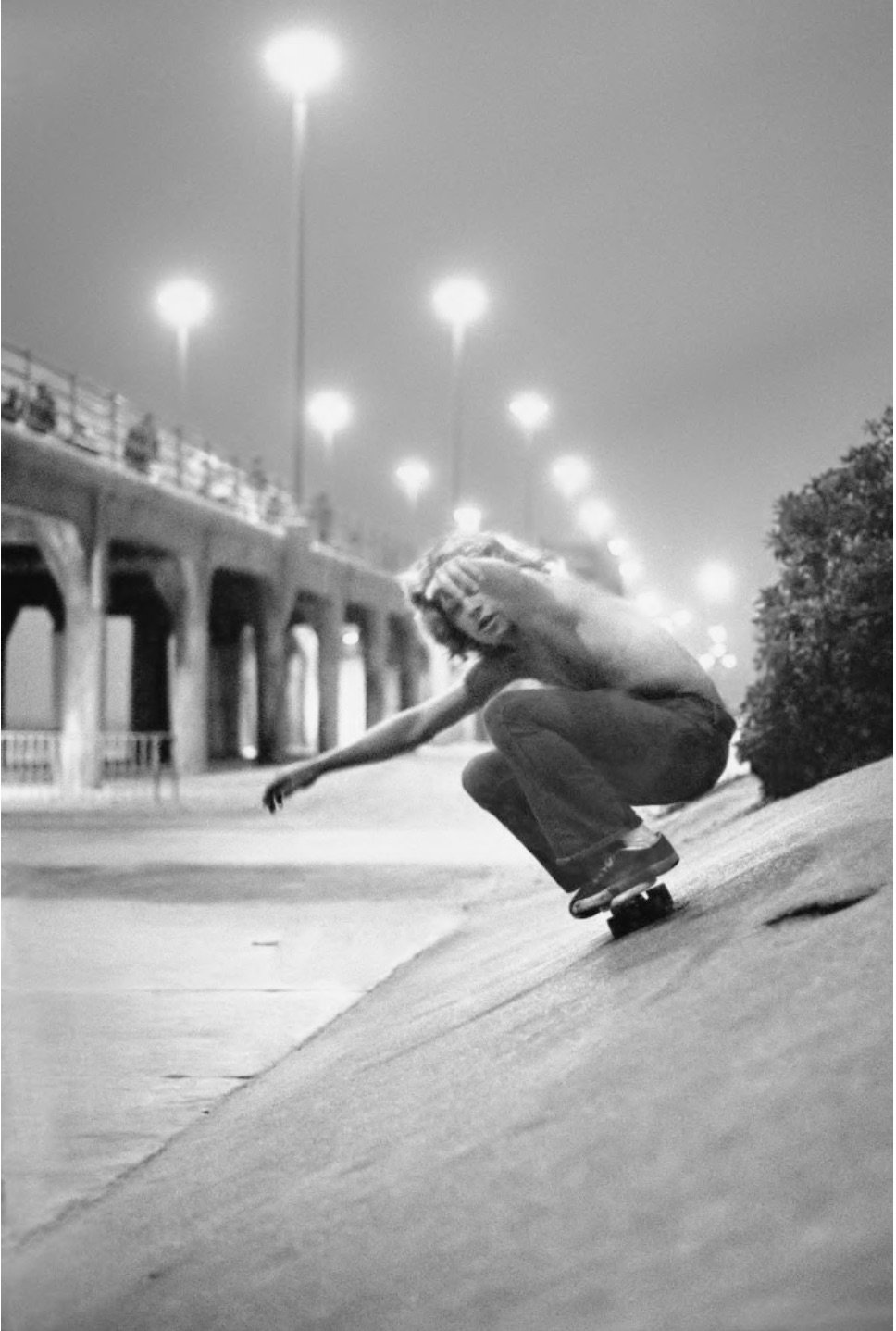
Empire Roller Disco highlights Pagnano's series that memorializes the disco era in Brooklyn. Patrick D. Pagnano photographed the famous Empire Roller Disco at its peak in the 1980s. A Brooklyn landmark, Empire was known for being the location that pioneered roller disco and such dance styles such as the Brooklyn Bounce. Pagnano'sphotographs encapsulate the significance that Empire Roller Disco had not only in disco culture, but in the culture and people of Crown Heights, then a neighborhood that had recently experienced riots and whose demographics were rapidly shifting. The exuberance of his subjects dancing in style demonstrate the ability of a space to change the narrative and experiences of its community.
Patrick Pagnano (b. 1947, Chicago, IL) holds a BA from Columbia College. photographs have been included in exhibitions at venues such as the Brooklyn Museum; New York Public Library, NY; and Mois de la Photo à Montreal, Montreal, Canada, amongst others. His work is in the permanent collections of the Museum of Modern Art, the Museum of the City of New York, The New York Public Library, all NY; the Brooklyn Museum; the Art Institute of Chicago; and the Helmut Gernsheim Collection, Switzerland. He published a book, Shot on the Street, featuring 60 color images of his work, in 2002.
For press and other inquiries, please email: info@benrubigallery.com

JEFFREY MILSTEIN - LEANING OUT
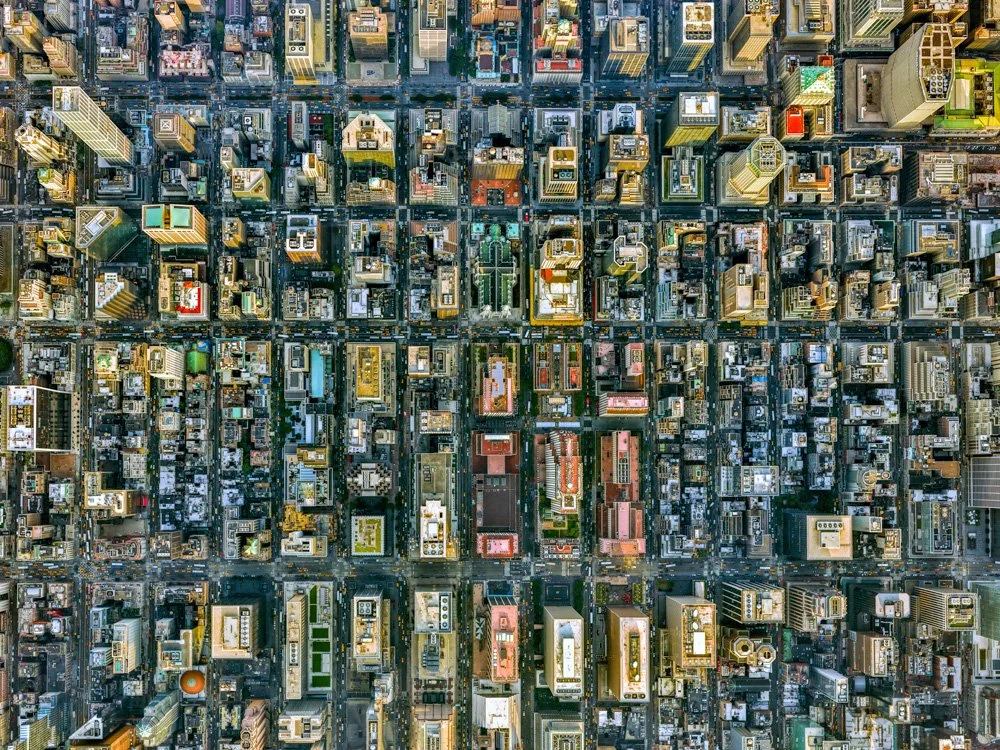

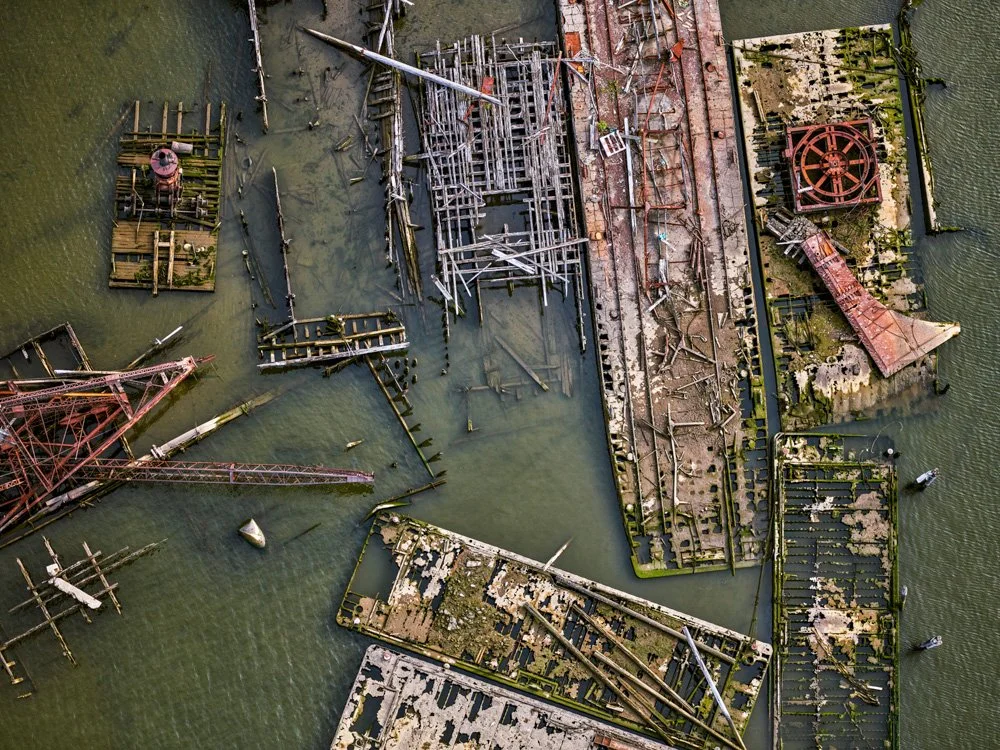
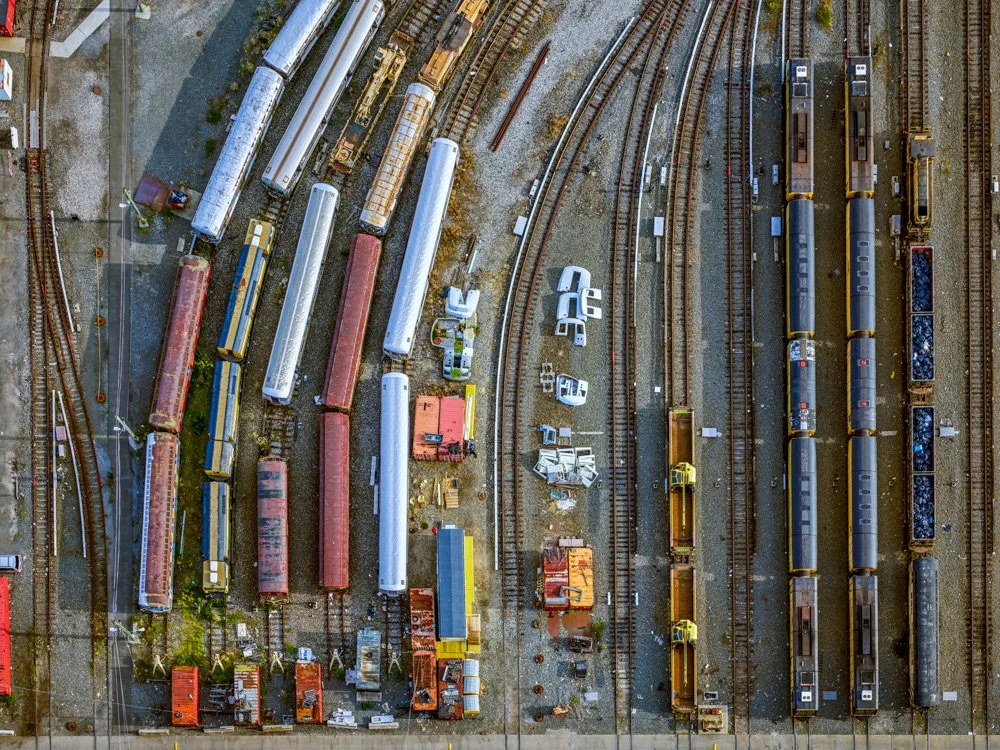

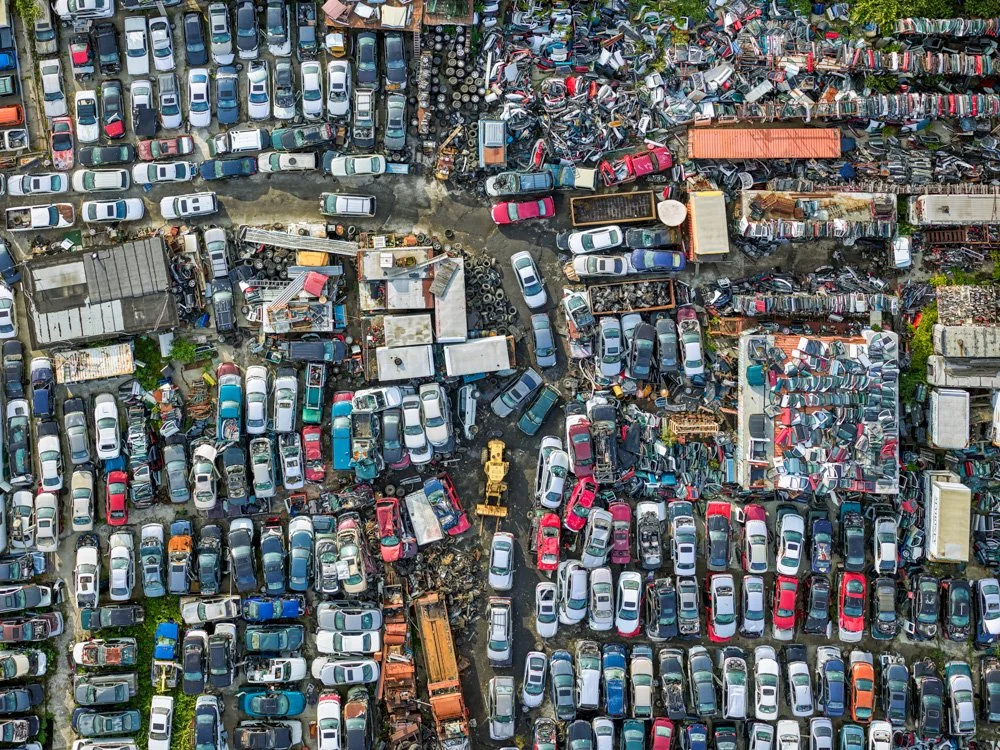

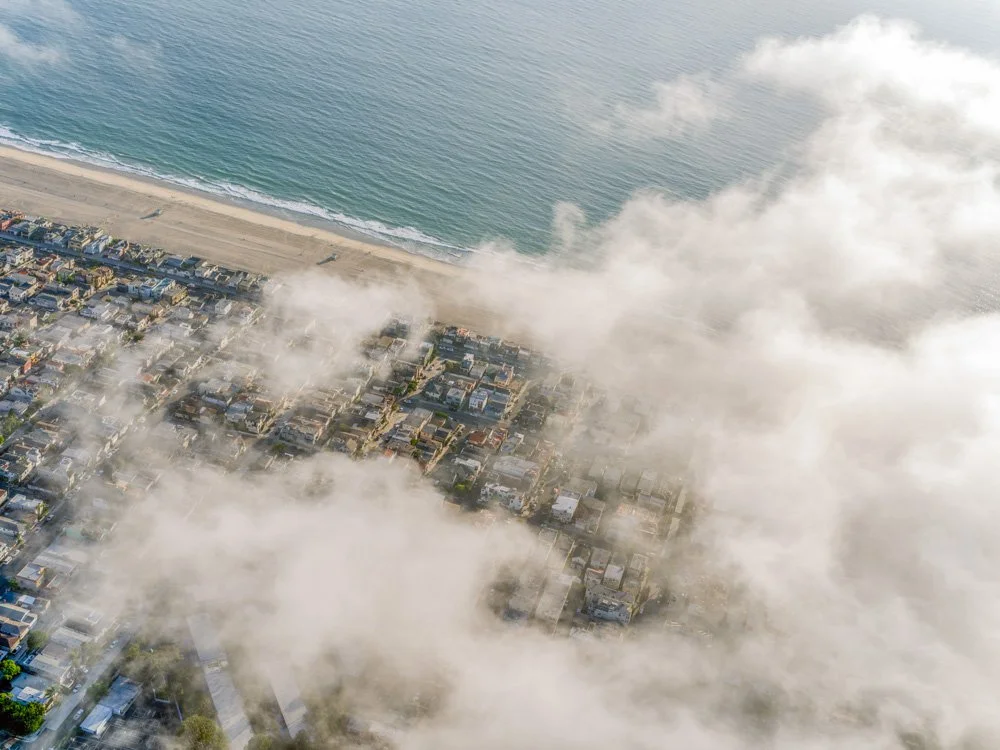
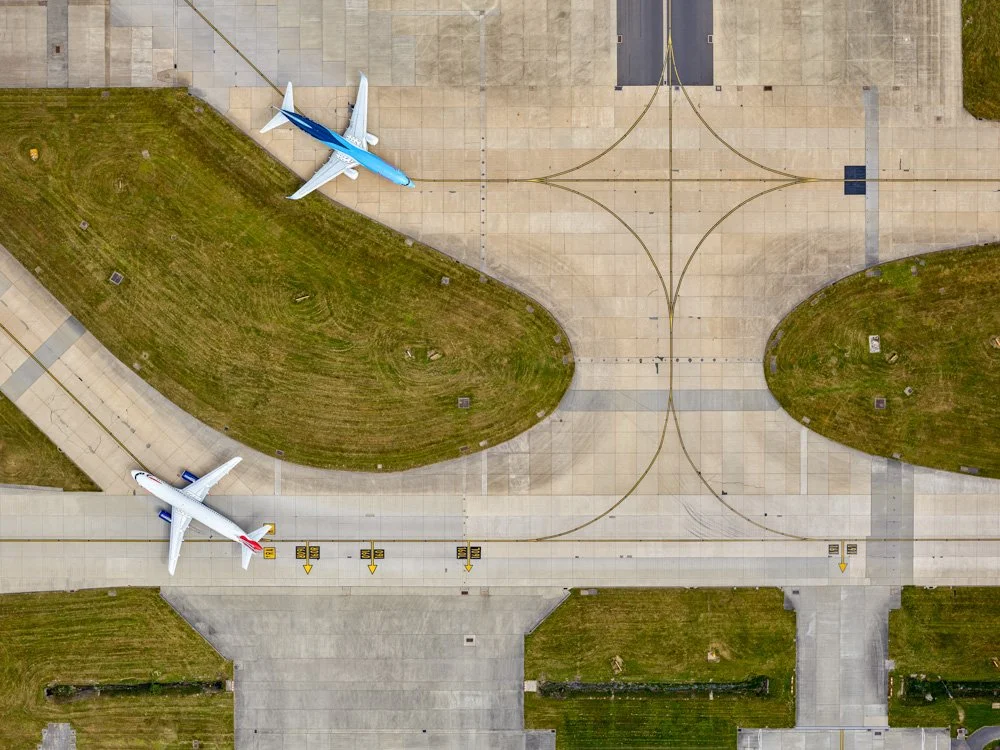
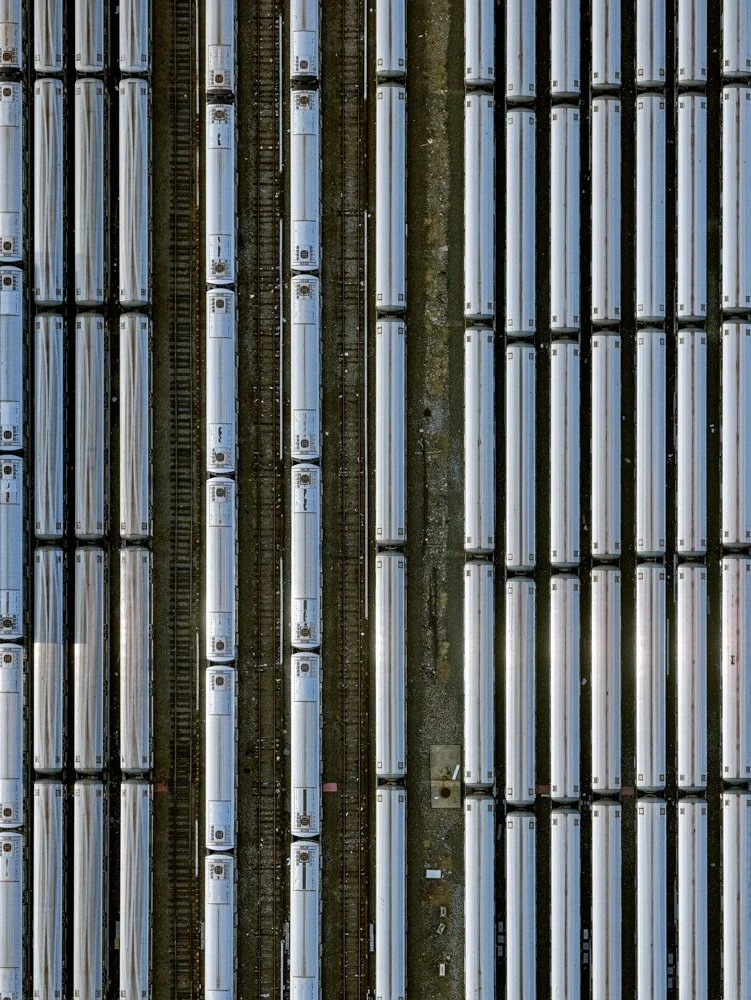
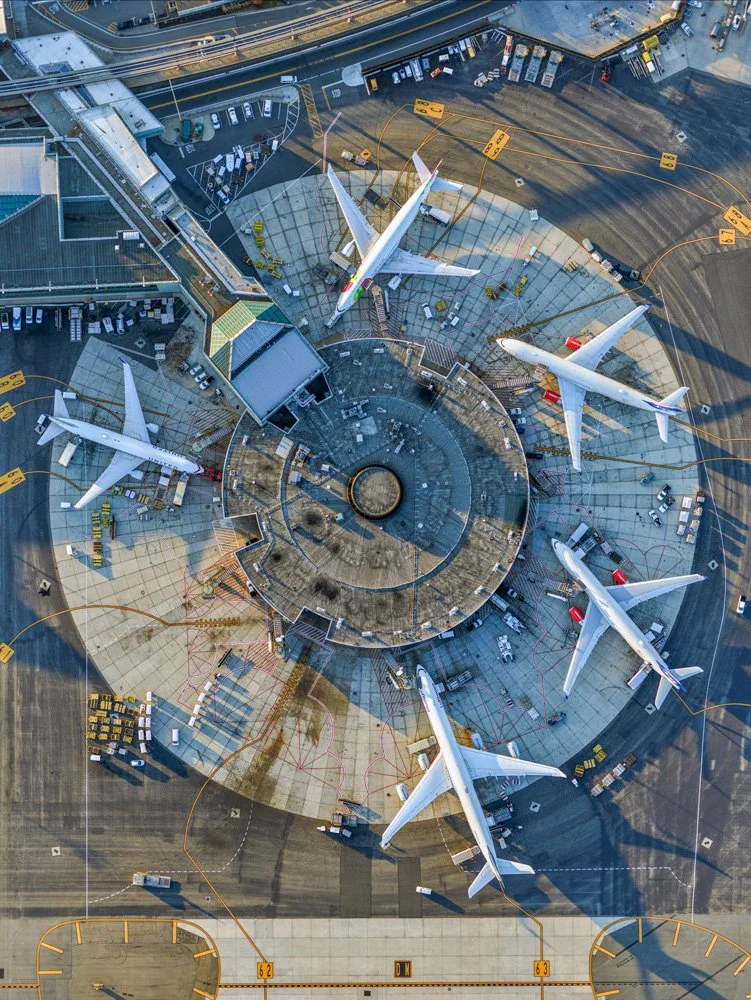
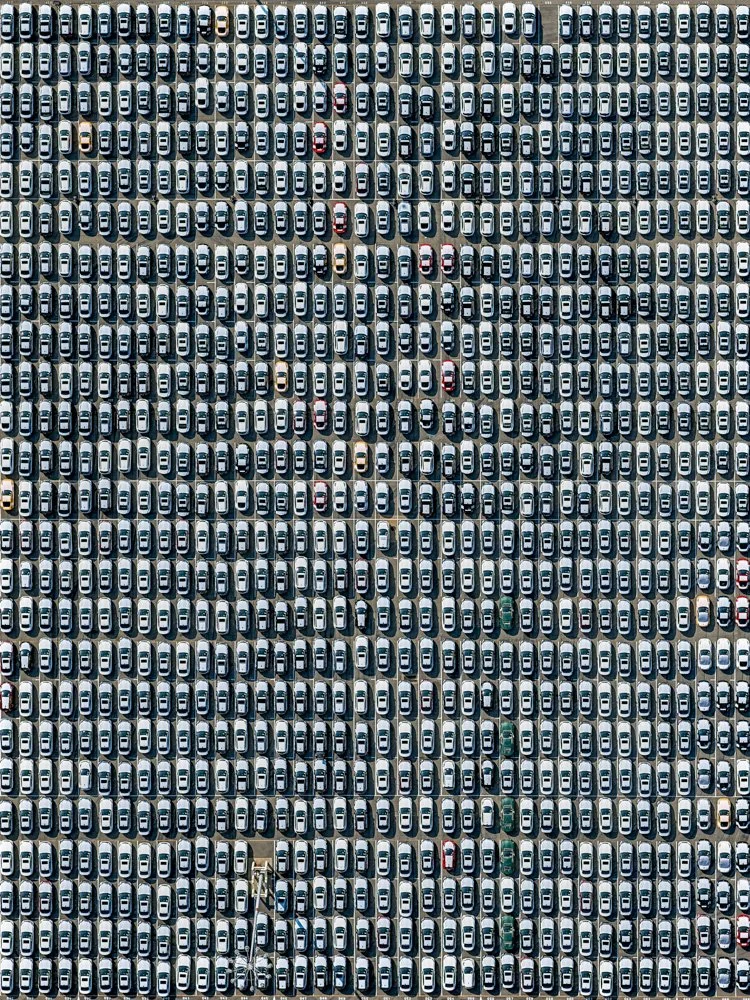
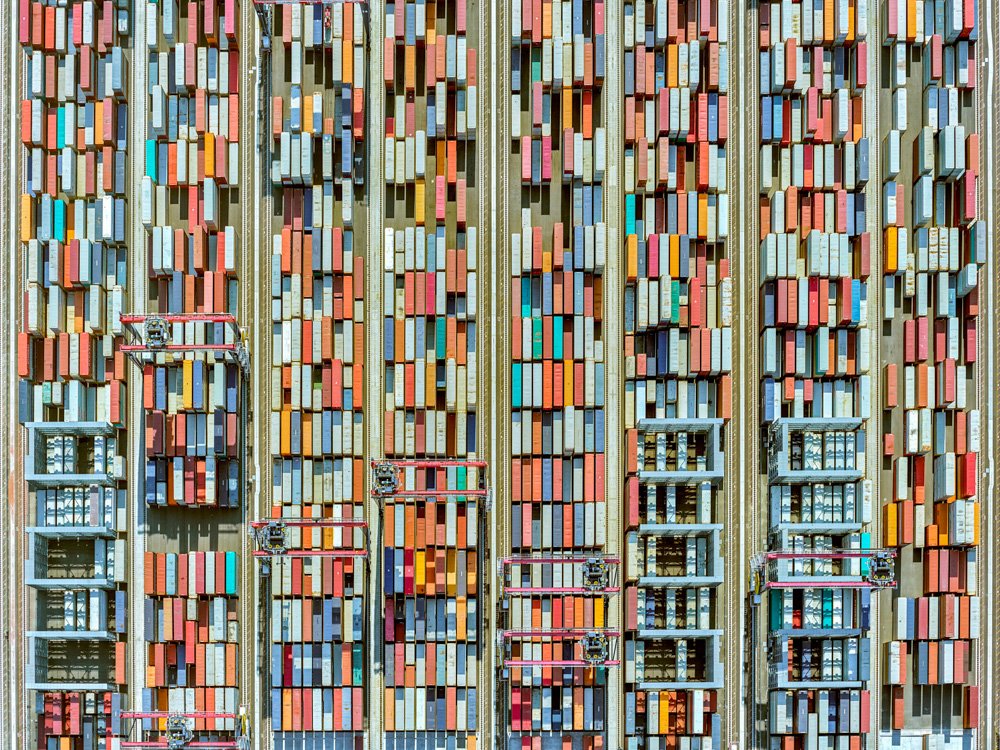
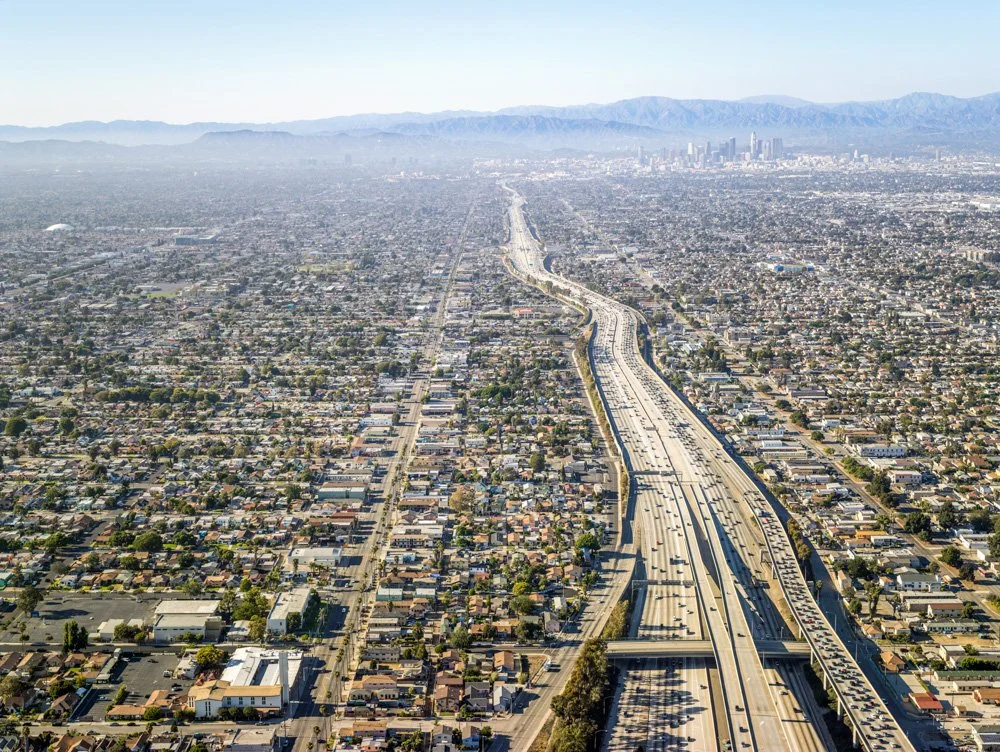
The advent of aerial photography has changed the way people see their world more than any other development since Eadweard Muybridge’s seminal images of moving animals in the second half of the nineteenth century. The impact is immediately visible in Leaning Out, the new solo show by Jeffrey Milstein at Benrubi Gallery, his second at the gallery. Milstein’s overhead images of ports, train yards, airports, parking lots, and cityscapes, shot from small planes and helicopters, reveal harmonious symmetries invisible during daily life, yet are still somehow familiar. It’s as if we’ve seen these views before, or constructed them with an idea of what they would look like from 2,000 feet above the ground.
The geometric mosaics in many images jump out immediately, with shipping containers, train cars, and automobiles slotted together in checkered patterns like gigantic tesserae. Milstein’s bird’s-eye view flattens three dimensions to two and his shutter shrinks several square miles down to the size of a tapestry. The signs of use disappear, the wear and tear, the small distinguishing details, leaving behind bold blocks of color that could as easily be a child’s stacked toys as a massive freight yard or automobile dealership. Ground is transformed to wall, and the underlying (literally) and surprisingly playful pictorial aesthetic that determined the arrangement is revealed.
One can almost lose sight of the fact that these are also industrial images—of transit rather than manufacturing, dissemination rather than creation. The ordered patterns, undulating over topographical variations, initially supersede one’s sense of activity, but gradually it returns in a familiar and ultimately calming, or reassuring, manner. The images suggest that however chaotic or inscrutable modern life might appear, it is the product of age-old patterns that move us in ways we may not consciously perceive, but which nevertheless guide us through our daily routines.
Jeffrey Milstein (b. 1944, Los Angeles, CA) received his BA in architecture from UC Berkeley in 1968 before turning to photography. Milstein has exhibited and collected throughout the United States and Europe, including the Ulrich Museum of Art (2008), the Smithsonian National Air and Space Museum (2012). Noted British photographer and critic, Martin Parr included his photographs in his curated showNew Typologies. He has been published in numerous newspapers, magazines, and other periodicals, including New York Times, LA Times, Harper's, GQ, Esquire, Fortune, Time, the Los Angeles Times, the San Francisco Chronicle, and Wired. His work can be seen at LACMA in Los Angeles, CA, the Smithsonian Museum in Washington, DC, George Eastman House in Rochester, NY and the Akron Art Museum in Akron, OH.
For press and other inquiries, please email: info@benrubigallery.com
VANESSA ALBURY - SHADOWGRAPHS


The Project Space features Shadowgraphs, the gallery's first solo exhibition by artist Vanessa Albury.
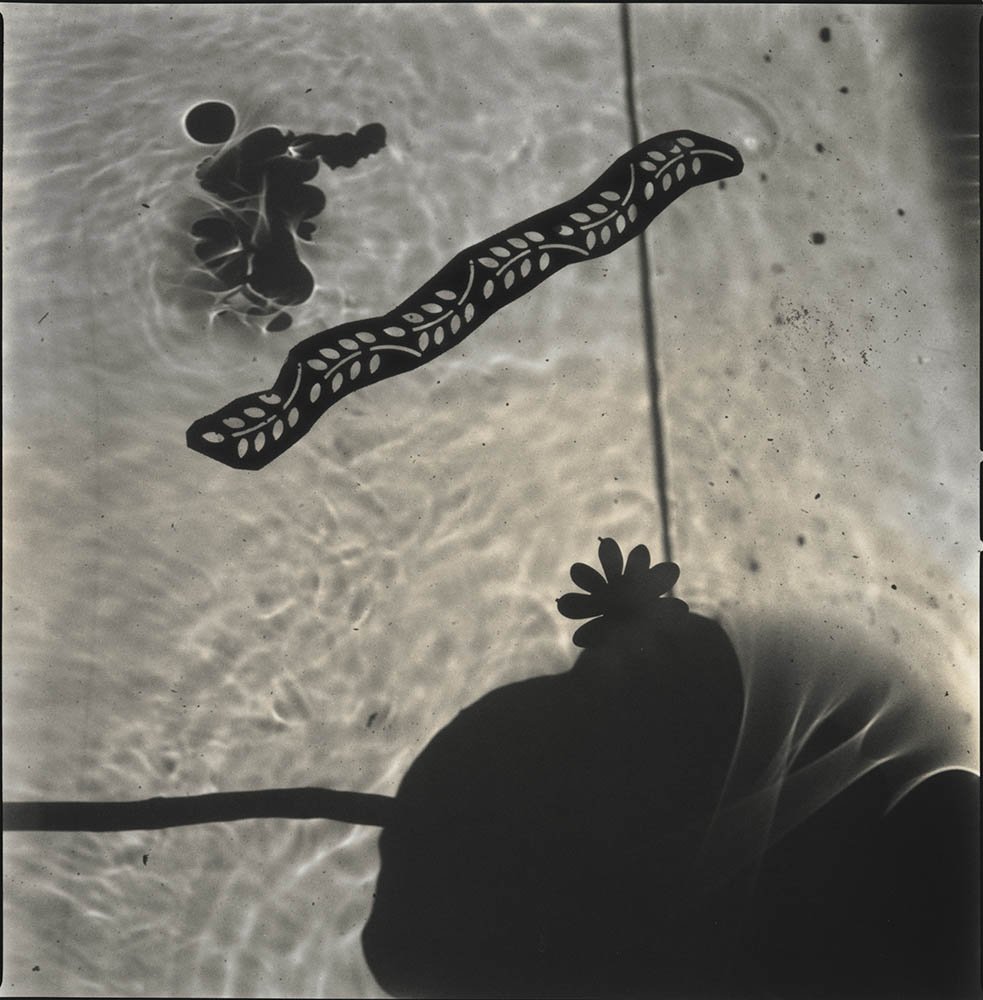
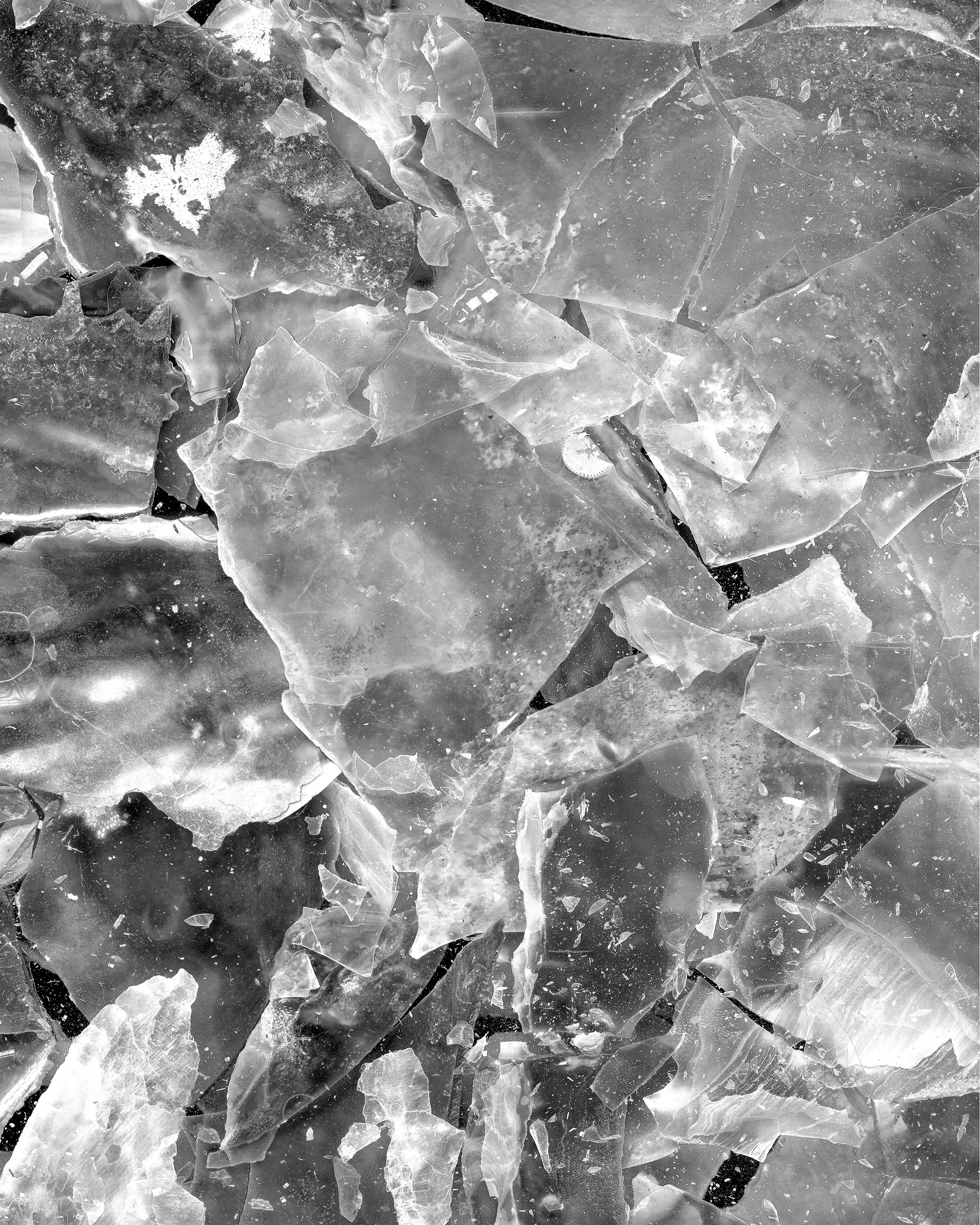
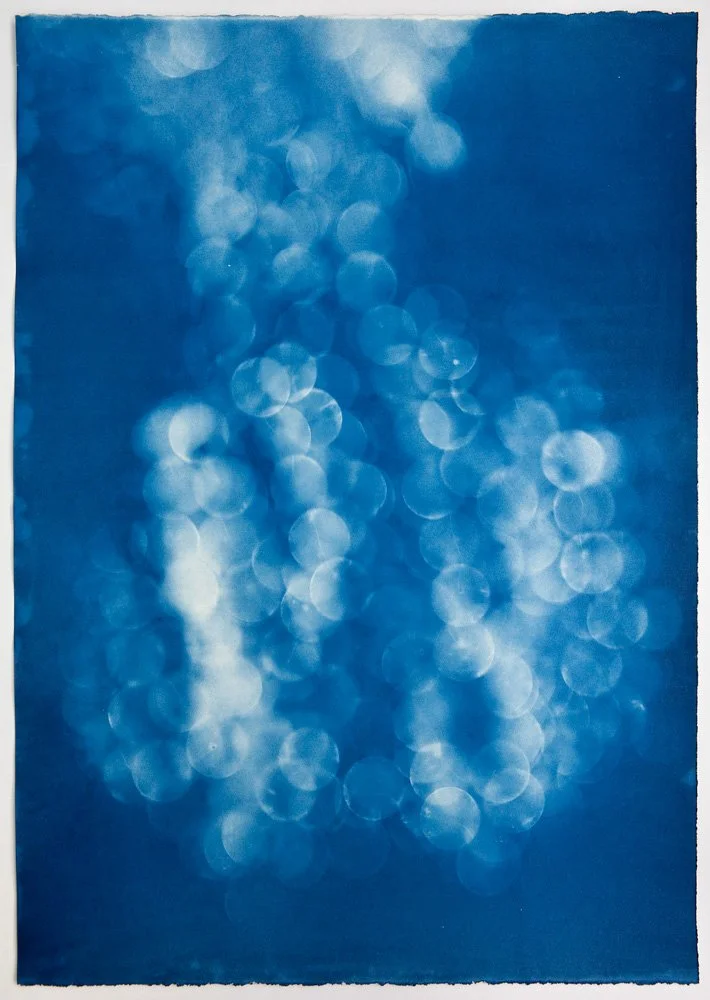
Albury photographs under the Lofoten Islands' midnight summer sun to create ghostly cyanotypes of a broken chandelier found at a Norwegian junk store, creating works that speak of the passing of time both physically and metaphorically. Paired with these unique works are sculptures from her Burned Out series. Inspired by incinerated 16mm film and using the raku firing technique, Albury's otherworldly sculptures are reminiscent of remnants of fossil bones found in an archeology site.
For press and other inquiries, please email: info@benrubigallery.com

ANDRÉ CEPEDA - DEPOIS
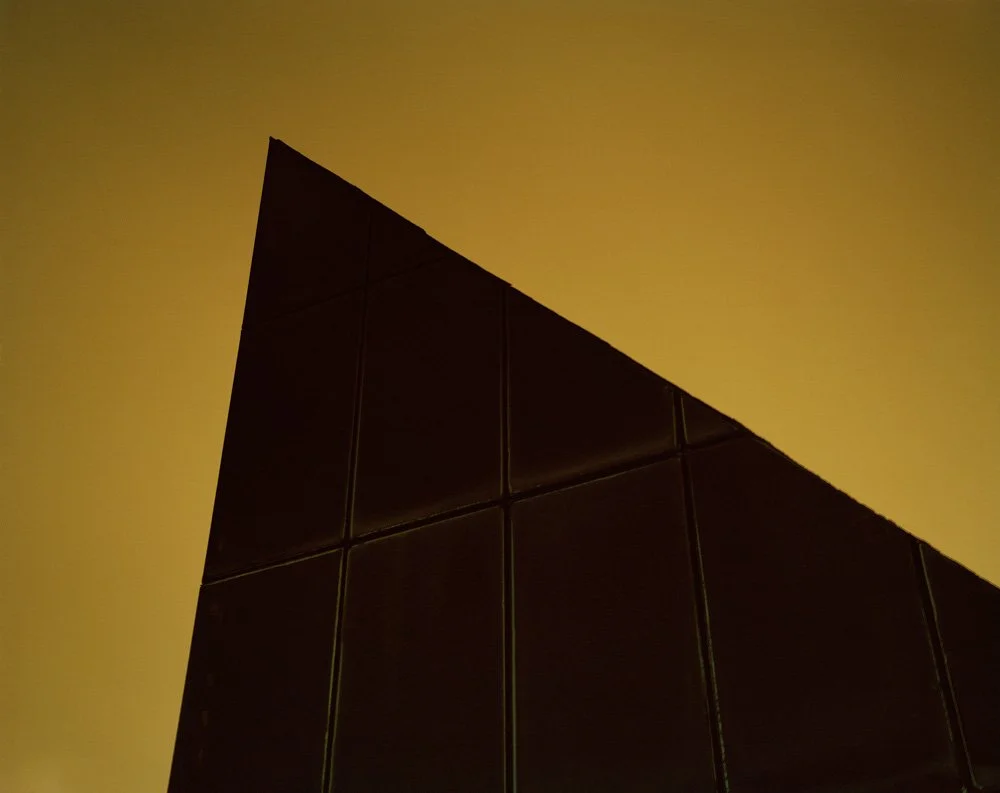
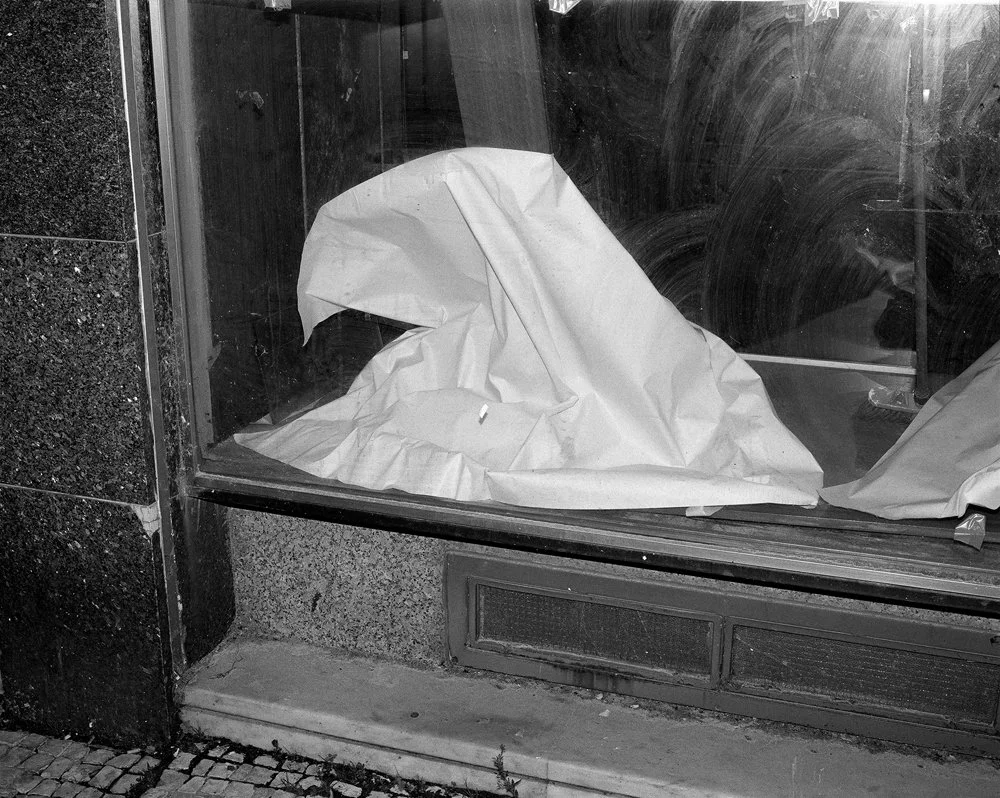
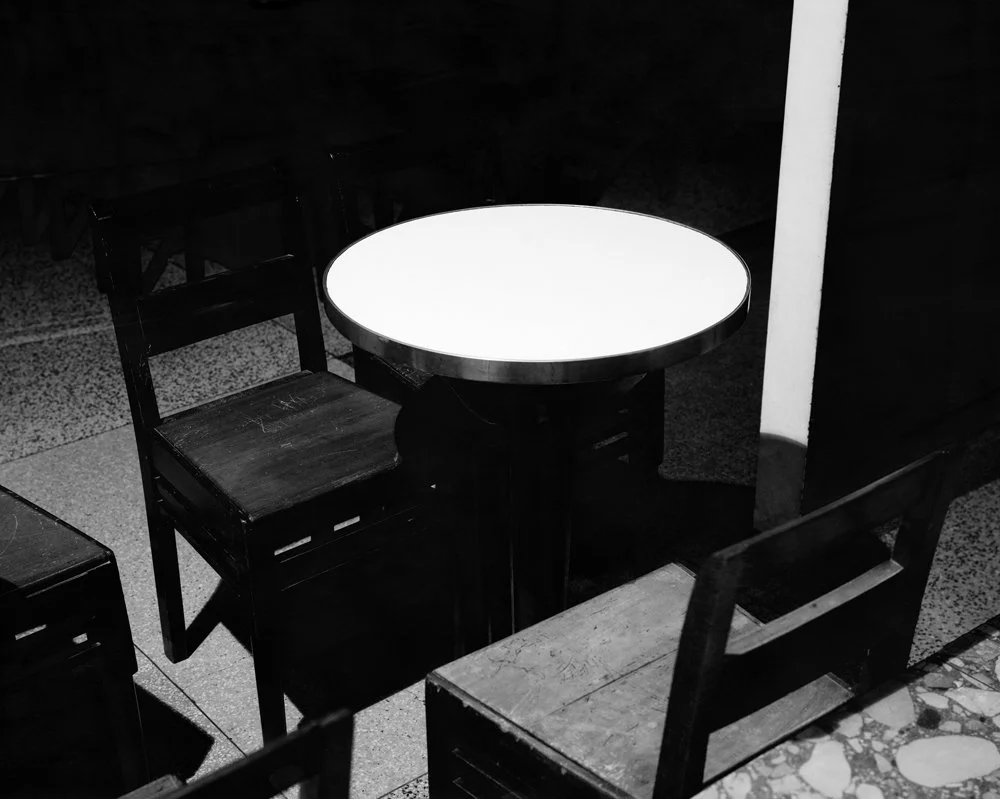
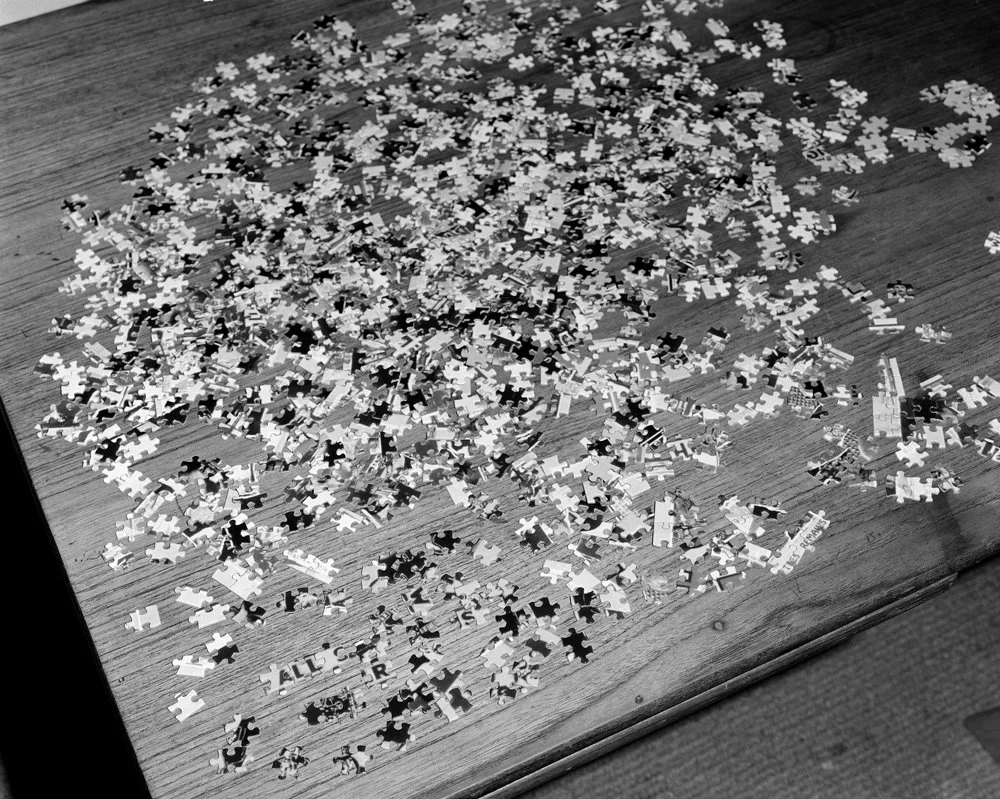
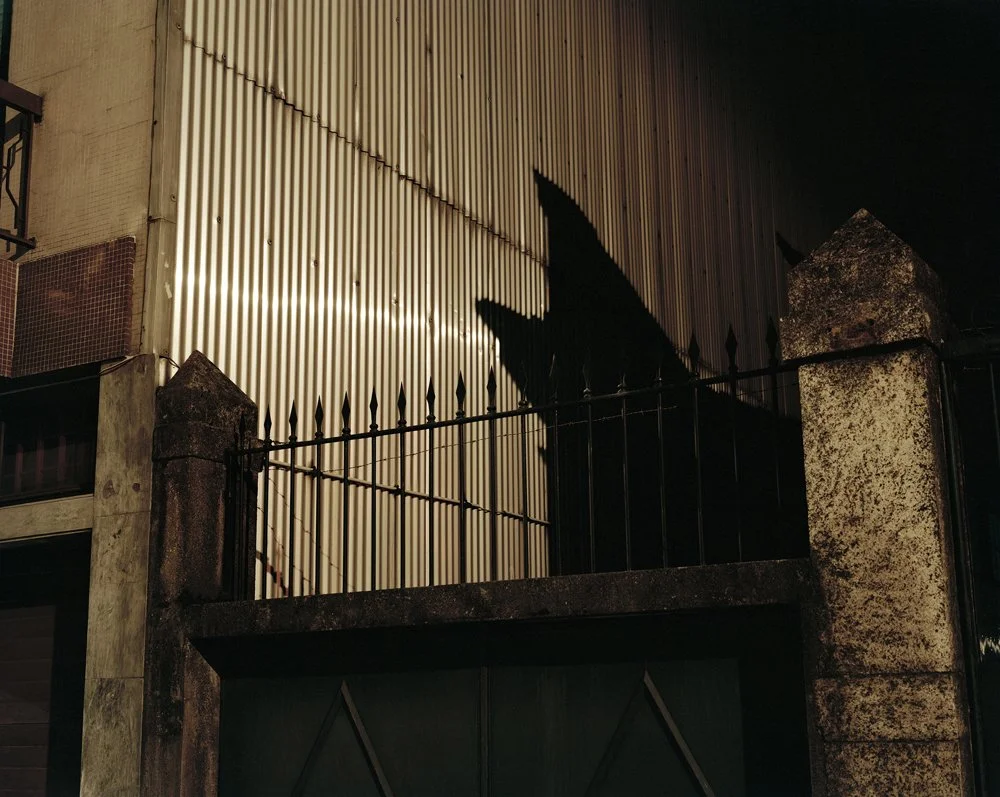
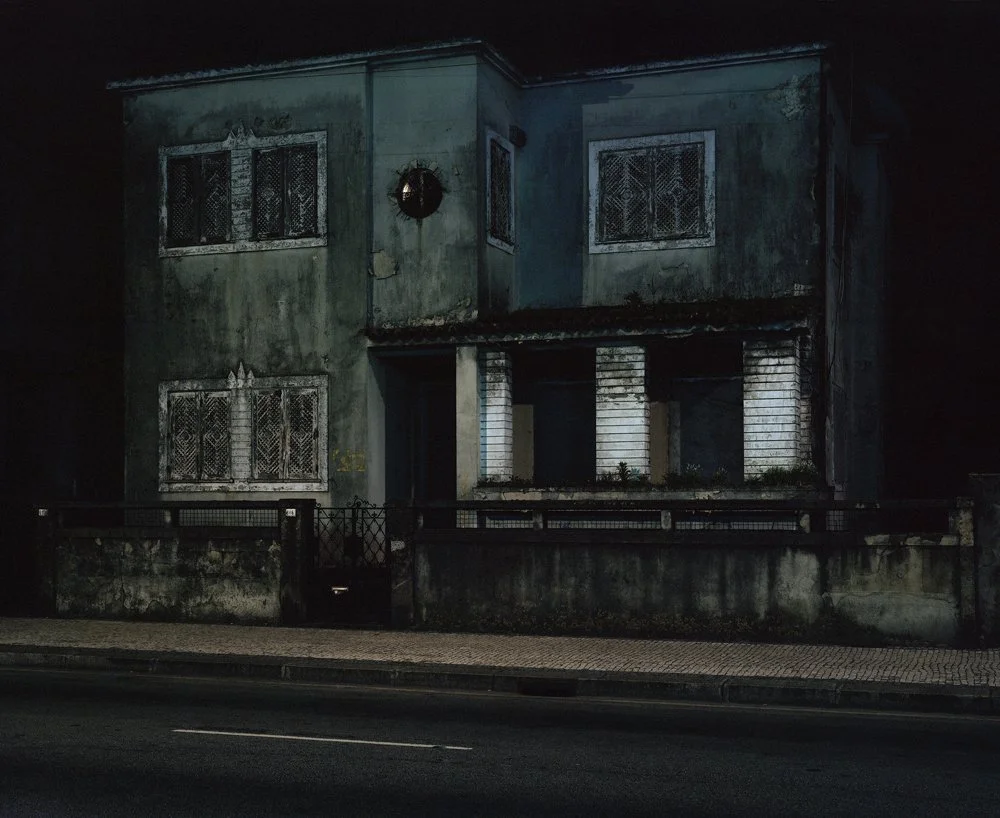
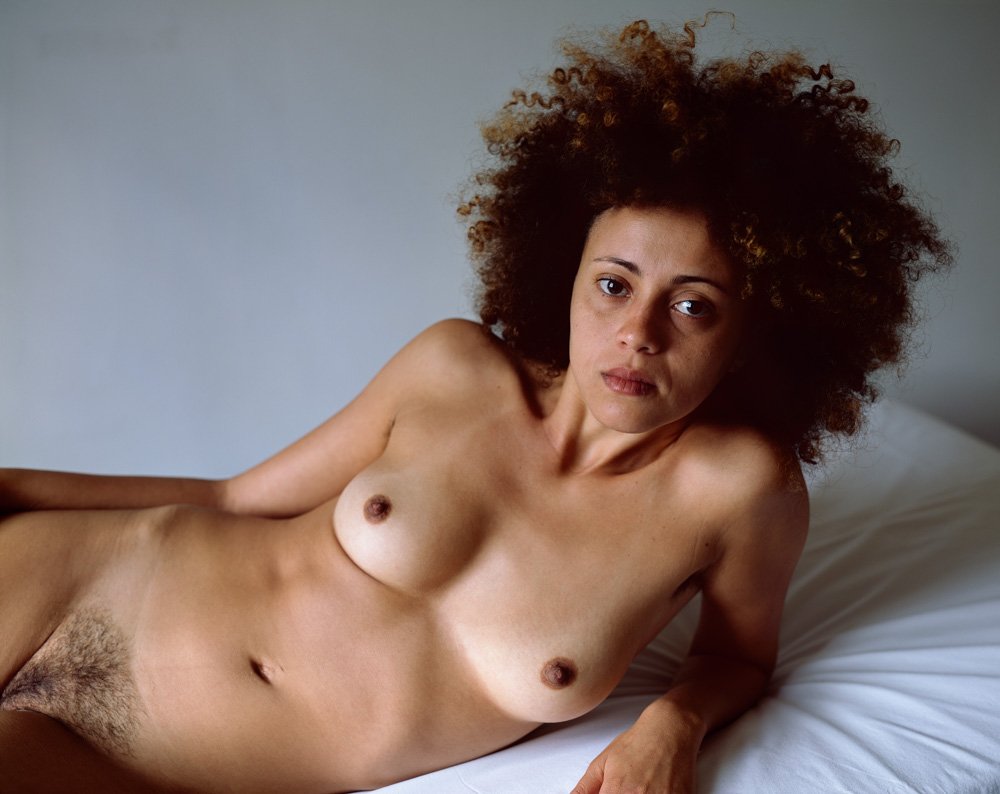

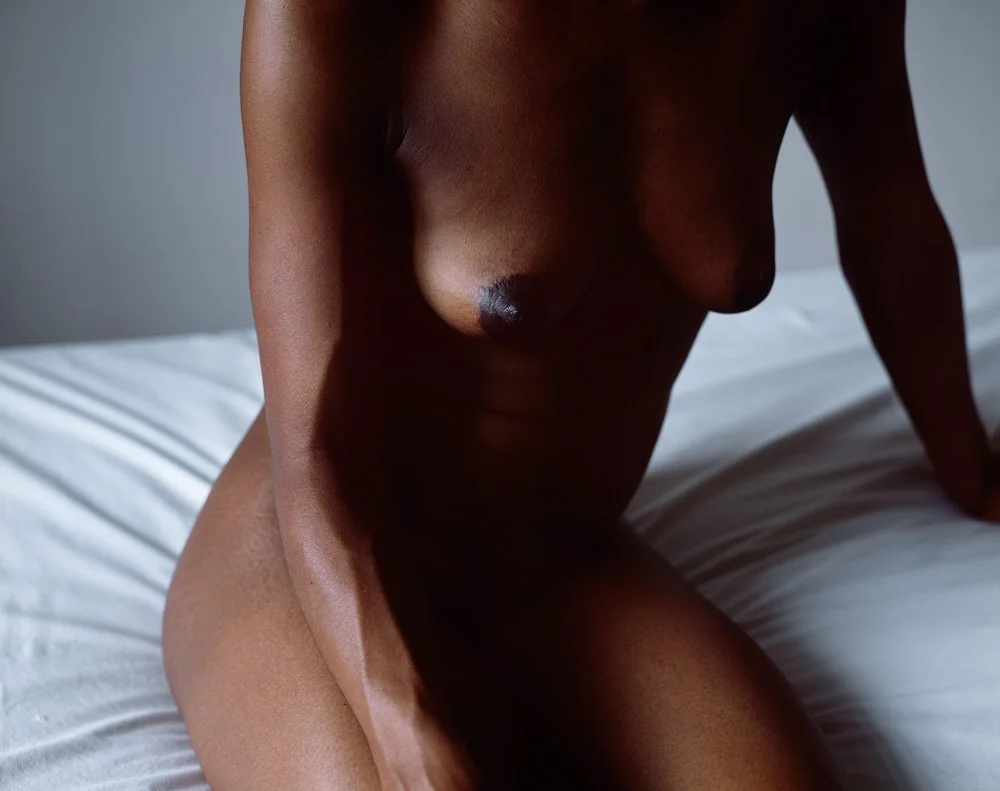

Benrubi Gallery is pleased to announce Depois (“After”), the first solo exhibition from Portuguese photographer André Cepeda.
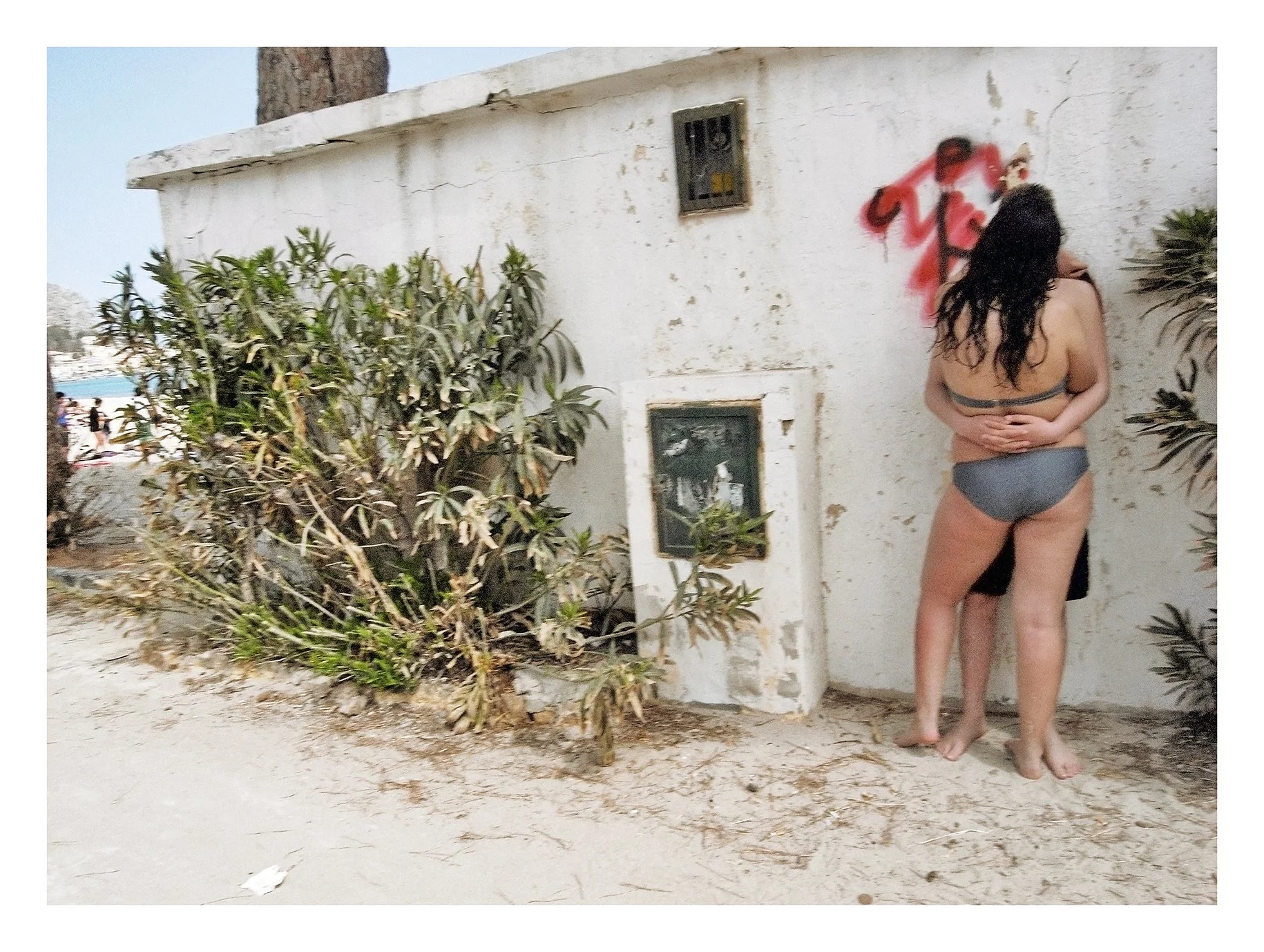
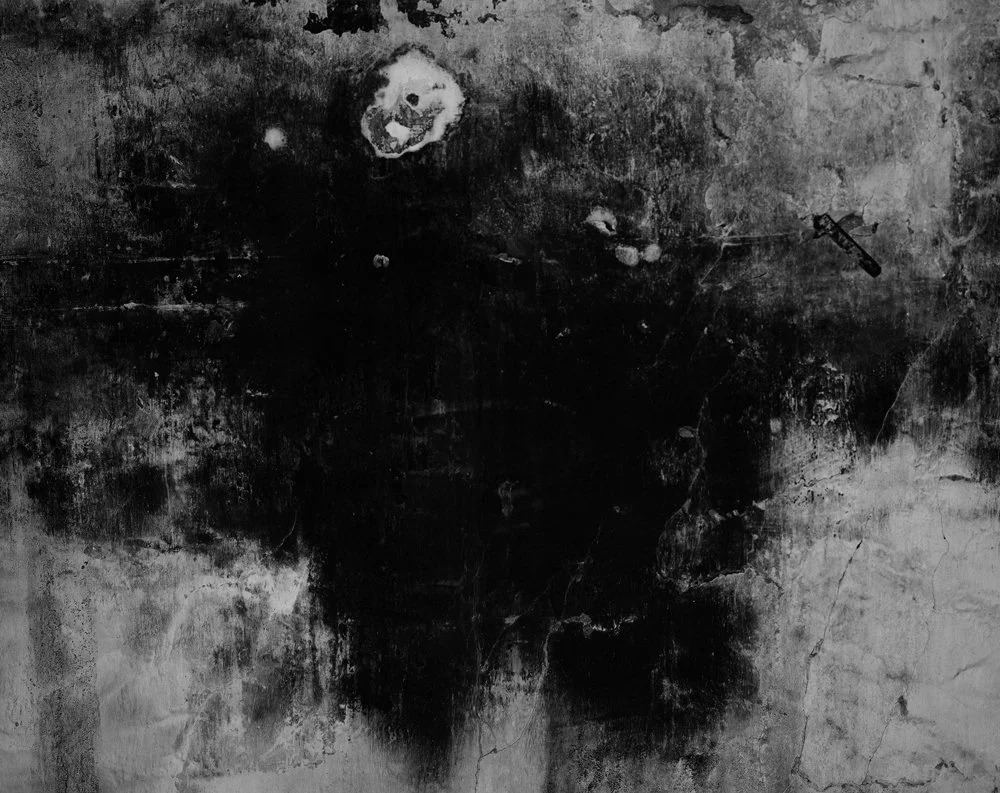
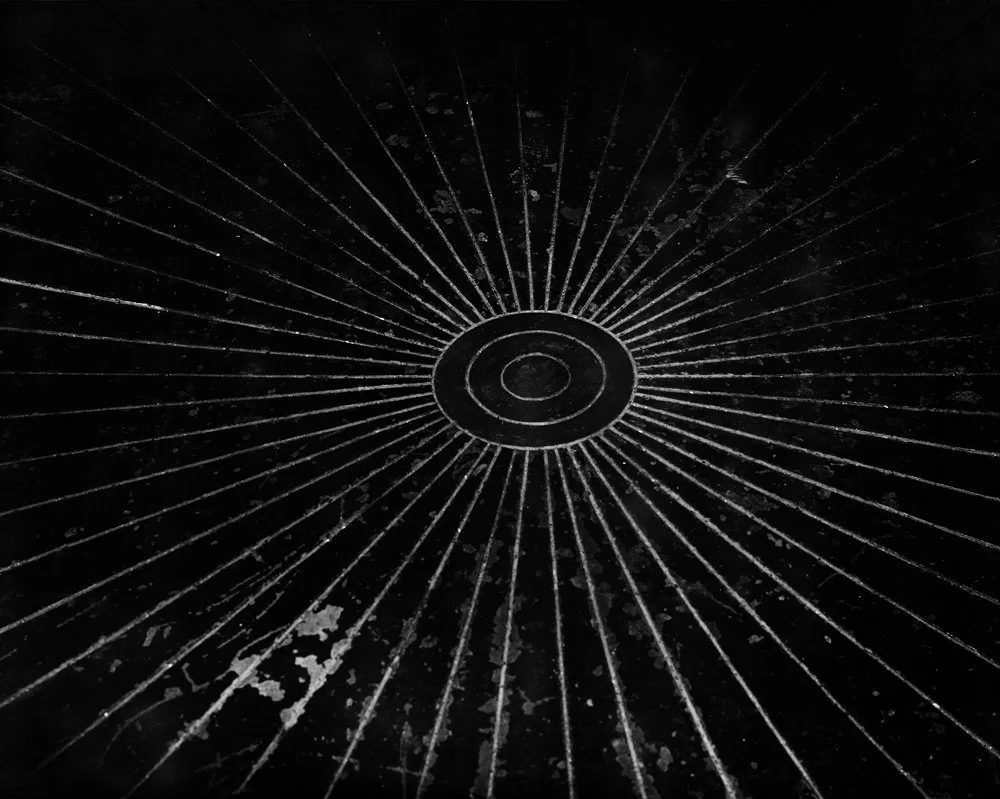
Depois reflects an urban environment composed of equal parts geometry and chance: architecture and bodies, artifacts and sex, order and chaos. Cepeda’s dark, often transitory compositions take form against the meshed grids of contemporary cities. The regular pattern of treads and balusters in a staircase, the furrows of corrugated tin siding, or the positive and negative spaces of masonry walls find their echoes in the seemingly random placement of beer cans and ashtrays by the side of a bed or a display of antique silver in a shop window or a scattering of puzzle pieces across a tabletop.
The ordered repetitions speak of an underlying structure that is both conscious and subliminal, restrictive in one sense, stabilizing in another. At their most dramatic, Cepeda’s vignettes are reminiscent of film stills. At their most stark they could be abstract expressionist canvases. But it’s the tension between these poles, between some images and within others, that reveal a cultural entropy that is not so much balanced as continuously seesawing against itself.
The images regard you as frankly as an odalisque. Whether you see them as tokens of decay or endurance probably depends on how optimistic you are about the state of the world. But, though unstaged, they still remind us that even our most intimate or offhand activities take place on a physical and cultural set prepared with the enormity and inevitability of a glacier sculpting the earth. Monuments of invisible forces, mirrors of our desire for freedom and control, Cepeda’s images imbue the urban landscape with visceral fleshiness and find architecture in the most fleeting gesture.
André Cepeda was shortlisted for the Paul Huf Award, Foam Fotografiemuseum, Amsterdam (2011); Prémio BESPhoto, Lisbon (2010); and the EDP Foundation New Artists Prize, Lisbon (2007), among other prizes. He has exhibited his work in the Museo de Arte Contemporánea in Spain, Haus der Photographie in Germany, The Mews in England, Museu Oscar Niemeyer and Museu de Arte de São Paulo in Brazil, and Serralves Contemporary Art Museum, Porto, Portugal, among many others.
For press and other inquiries, please email: info@benrubigallery.com