On View
RICHARD RENALDI - MANHATTAN SUNDAY




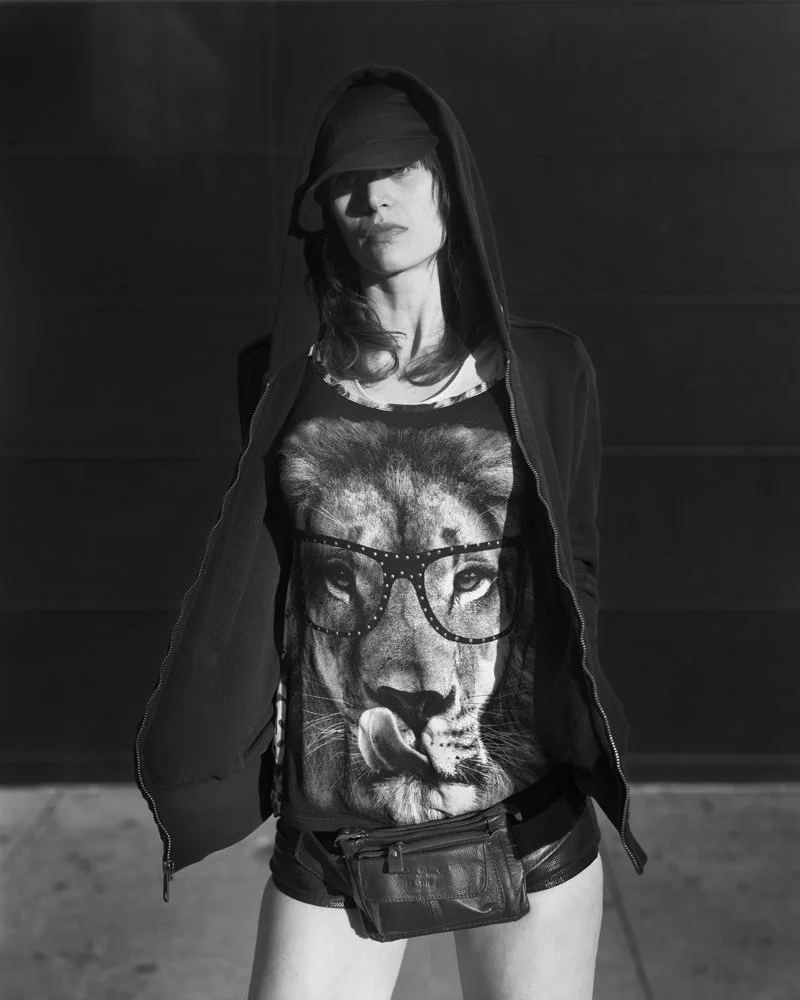


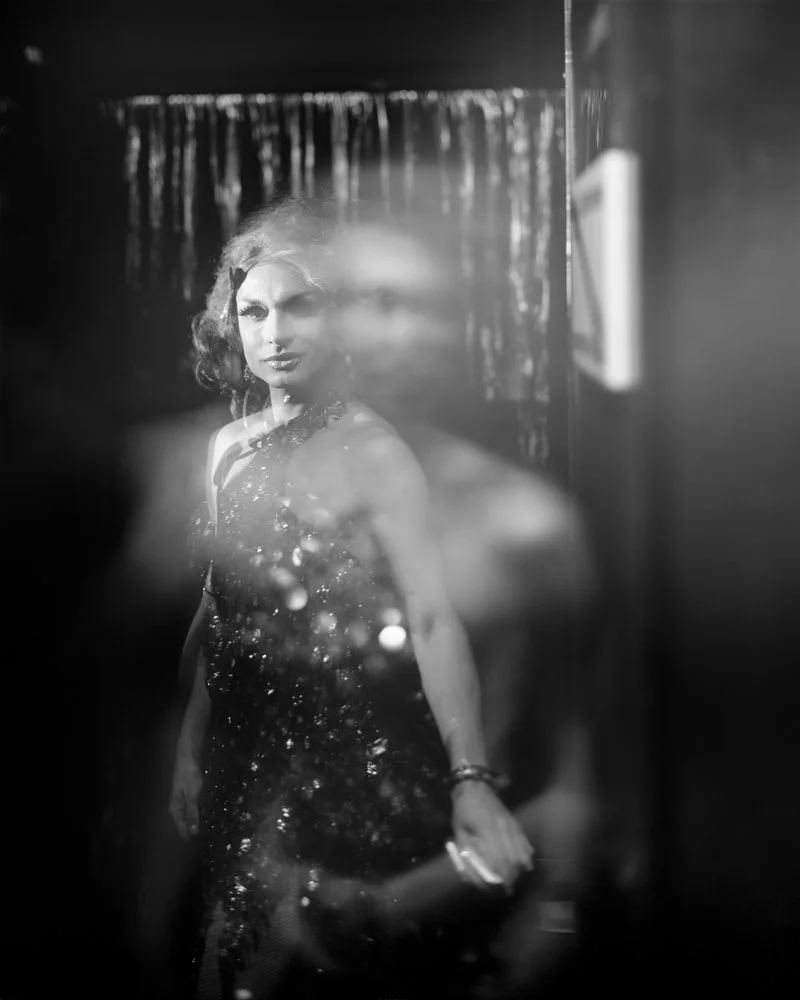


Benrubi Gallery is pleased to present Manhattan Sunday, the gallery’s second solo exhibition by Richard Renaldi.
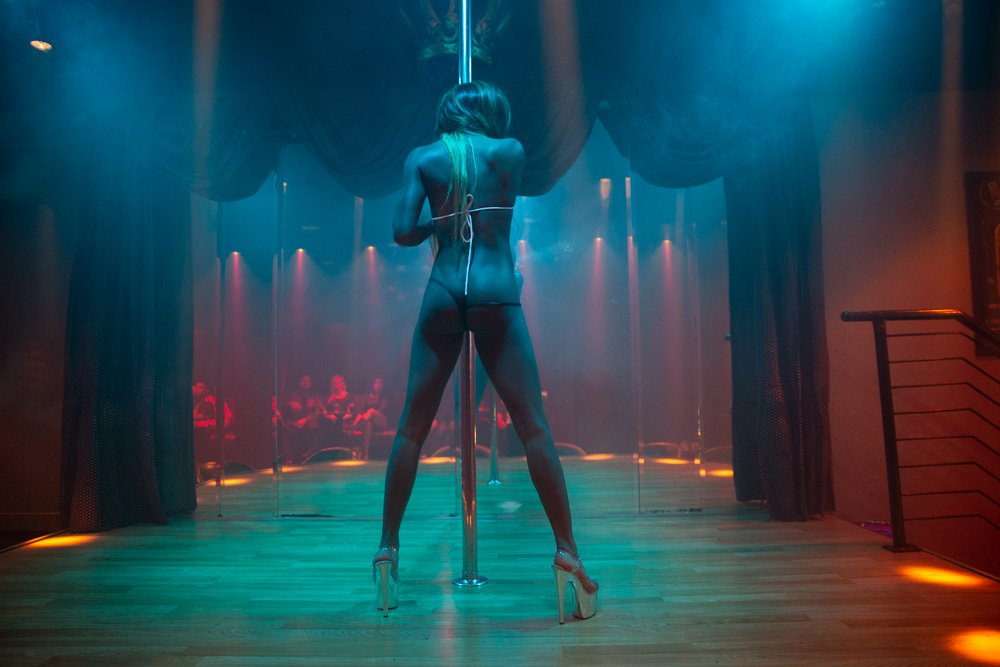
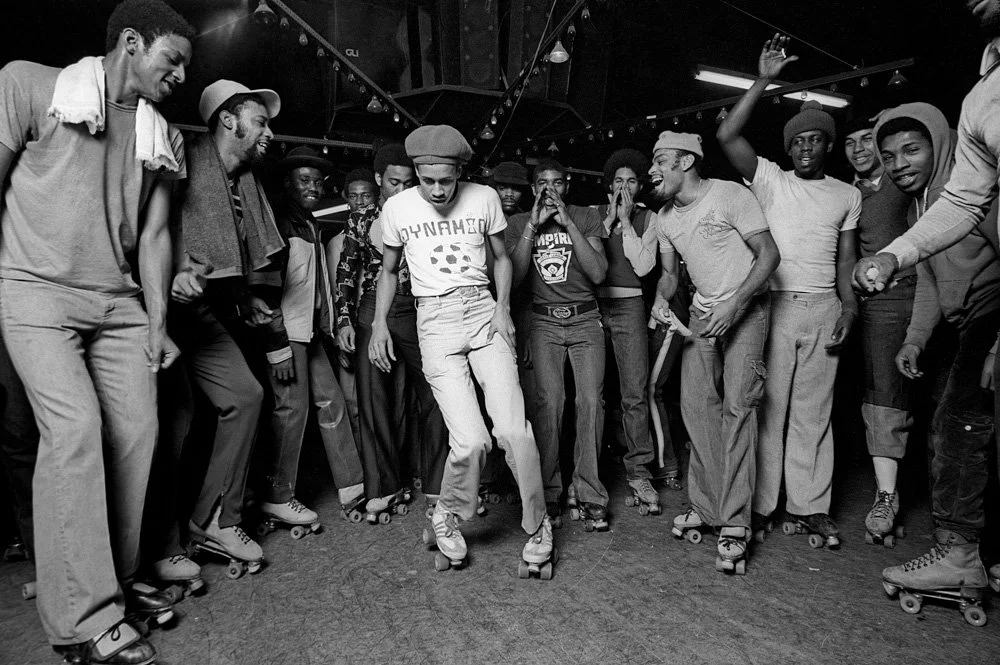
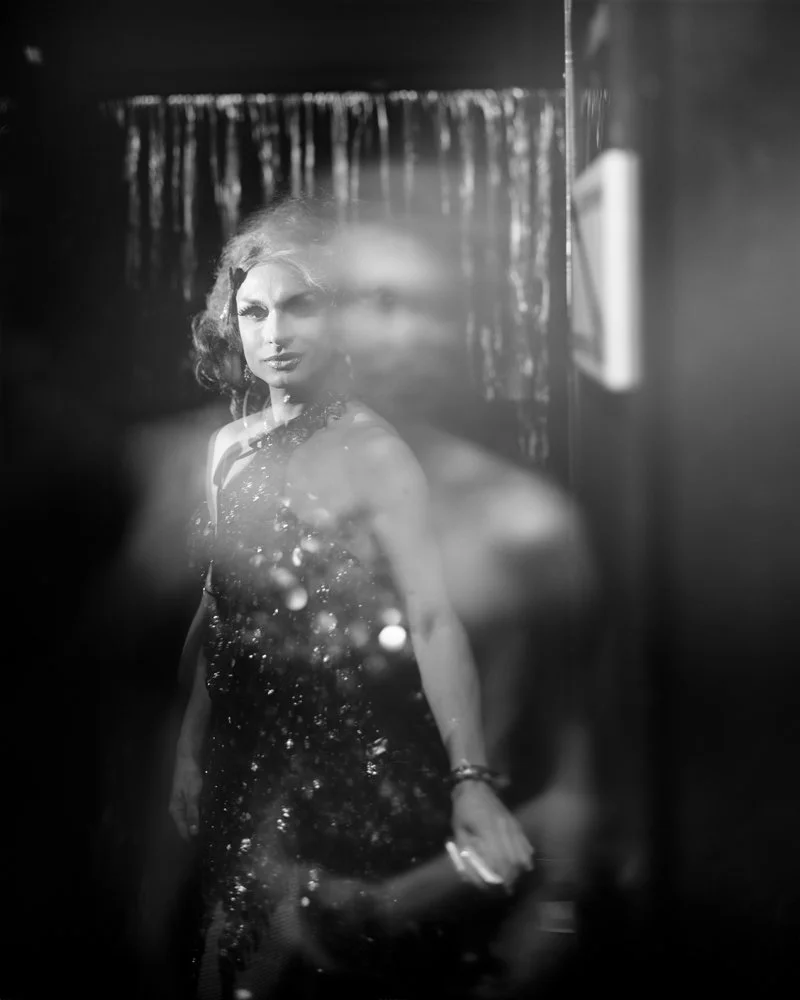
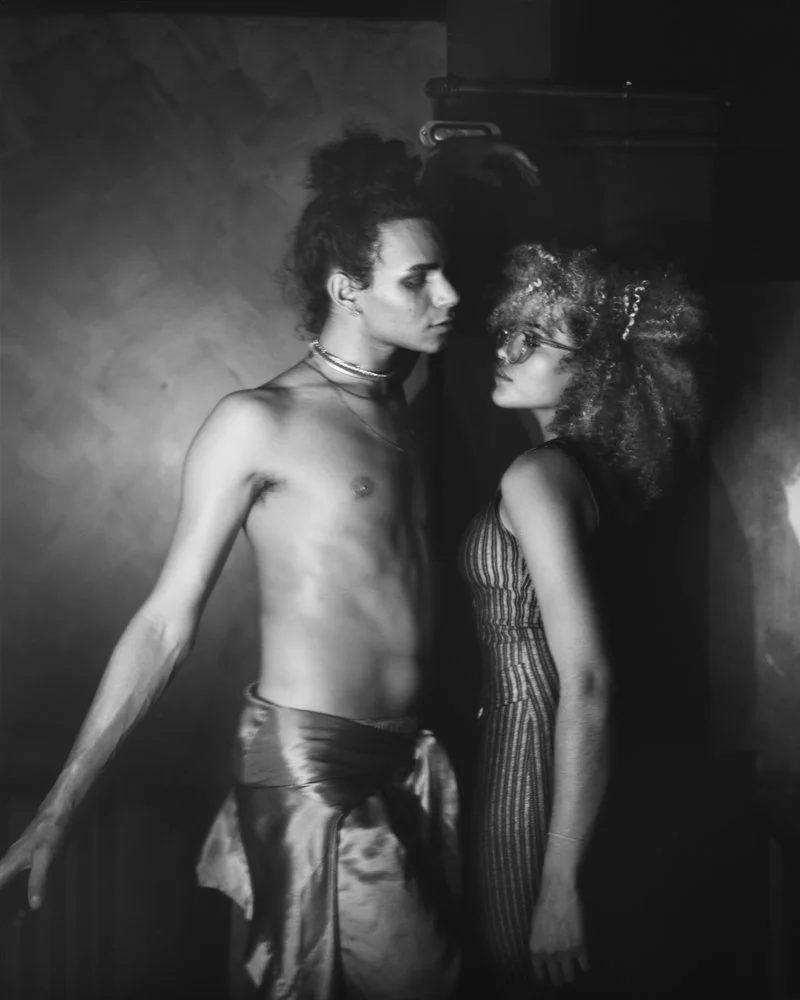
Manhattan Sunday is a photographic diary from 2010 to the present. As the name suggests, the pictures were all taken in Manhattan, in the wee hours of Sunday morning, usually after a night out on the town. If hedonism informs these images, from the bare skin and muscled bodies in many of its portraits, to the disco balls and bottles of poppers in its still lifes, it’s a sensuality tempered by reflection. The faces are blissed out, maybe even a bit wan after eight or ten hours of clubbing. Black and white lends a coolness to the scenes, merging day with night, while several long exposures capture the euphoria of the club experience, but also its transience.
“It was in these serene moments,” Renaldi writes, “leaving the clubs, totally spent, that a new city revealed itself to me.” Renaldi is renowned for his portraits, most prominently in the acclaimed series Touching Strangers, which communicates a rich sense of its subjects’ inner lives in just a few almost unnoticeable details. That same nuance is on display here, whether it’s the Offer Nissim ball cap that shades the eyes of a wasp-waisted young man whose T-shirt dangles from his pants, or the feminine curl of a single dark lock snaking across the clipped chest hair of a set of sculpted pecs. Yet it’s New York that lends these portraits their unique resonance—Manhattan, represented here in a large quadtych of the borough’s ever more crowded skyline, in which thousands of lights blaze from hundreds of buildings, simultaneously evocative and anonymous.
The suggestion is that clubbing isn’t just transient but transcendental. Whether it’s the costume or the beat or maybe just the drugs, the experience is bigger than the individual. The party started years before he made his way to the otherwise abandoned streets of Midtown West and will continue long after she’s given herself over to middle-aged bedtimes. The tension’s there in a photograph of a small, curtained stage, fairy lights arcing delicately behind translucent striped gauze. Is the show—the evening—about to begin, or has it already ended? The answer is both, but also neither, because it’s not the show that’s important but the interlude—the knowledge that the music is always playing somewhere, even if you’re not there to hear it.
Also on display, in the Project Space, is Renaldi’s I Want Your Love, a collection of imagery and ephemera from the 1980s to the present. I Want Your Love echoes the documentary ethos of Manhattan Sunday but on a more intimate level and over a longer period of time, and as such provides both personal historical context to the show in the main gallery.
Richard Renaldi (b. 1968) was born in Chicago, Illinois, and lives in New York City. He received his BFA in photography from New York University in 1990. Exhibitions of his photographs have been mounted in galleries and museums throughout the United States, Asia, and Europe. Manhattan Sunday has already garnered praise from a variety of sources, including the Guggenheim Foundation, which awarded Renaldi a fellowship in 2015 based on the project, and the Aperture Foundation, which has published the series in book form. Aperture also published Renaldi’s Touching Strangers in 2014, and Figure and Ground in 2006.
For press and other inquiries, please email: info@benrubigallery.com
DOUG HALL - LETTERS IN THE DARK: FRANZ KAFKA & MILENA JESENSKÁ


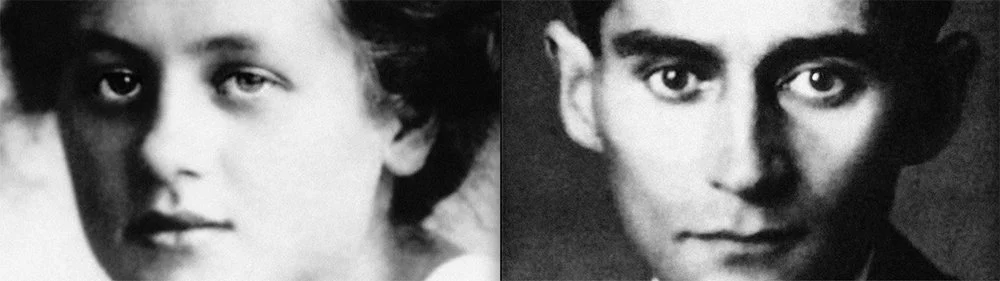
Benrubi Gallery is proud to present Letters in the Dark: Franz Kafka and Milena Jesenská by media artist and photographer Doug Hall. An intimate, evocative work consisting of two synchronized black-and-white video projections and a selection of photographs, Letters in the Dark is based on a series of love letters between Franz Kafka and Milena Jesenská, a young translator who later became a journalist and editor before perishing in a Nazi concentration camp in 1944.
Jesenská was married when, in 1920, she wrote Kafka with a request to translate one of his stories into Czech. That letter led to a short, charged correspondence as philosophical as it was passionate, but Kafka ultimately broke off the relationship when Jesenská wouldn’t leave her husband. After Kafka’s death, Jesenská gave her copies of his letters to Max Brod, who published them in 1952 as Letters to Milena, but her letters to Kafka were either lost or destroyed.
Central to the video installation is Hall’s recreation of Jesenská’s letters, which he fashioned from fragments of her other writing, as well as stylistic and tonal cues in Kafka’s letters to her. Kafka’s letters issue from one projection, while Jesenská’s come from a second projection on the opposite wall. The spoken texts are accompanied by images of doorways, hallways, facades, gardens, and domestic interiors. The images hint at lives felt but not seen, and, as with the texts, some depict actual locations where Kafka lived and worked, while others were taken in Moscow and San Francisco, and act as proxies for Kafka and Jesenská. The presence of spray-painted graffiti and modern appliances reminds us of the historical remove, while the mixture of documentary and surrogate imagery acknowledges and engages with the interplay between the real and the imagined, the known and the unknowable, that colors any attempt to reread history. The result is not a simulacrum of an historical event but a new moment, informed by the past and the “poetics of non-arrival” that Judith Butler finds in Kafka’s love letters, but ultimately residing in each viewer’s experience of the installation.
An exhibition and monograph on Hall’s career, which spans 40 years with numerous pioneering contributions in performance, photography, video, and media installation, is in development for 2017-2018. His works are collected by the Berkeley Art Museum and Pacific Film Archive, California; Berlinische Galerie, Berlin; the Contemporary Art Museum, Chicago; the Mildred Kemper Lane Art Museum, St. Louis; the Museum of Modern Art, New York; Museum für Moderne Kunst, Vienna; Museum am Ostwall, Dortmund, Germany; Tate Modern, London; the San Francisco Museum of Modern Art; and the Whitney Museum, New York. He has received numerous awards and fellowships including from the Guggenheim Foundation, the Fulbright Foundation, and the Rome Prize at the American Academy Rome. He is Professor Emeritus at the San Francisco Art Institute.
For press and other inquiries, please email: info@benrubigallery.com
GROUP SHOW - THE FAMILY ACID & HIROSHI WATANABE

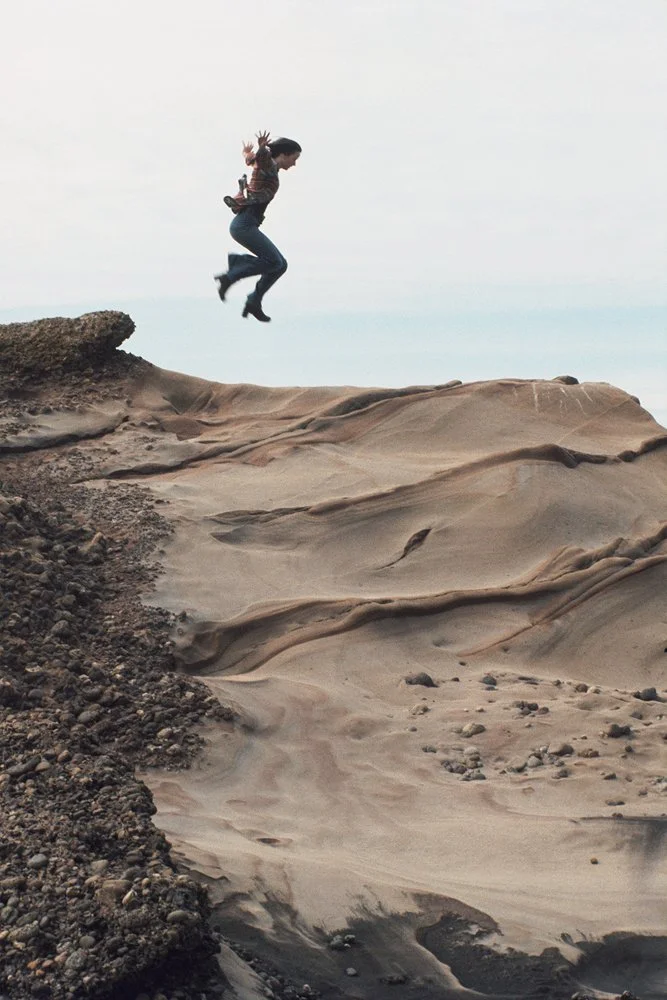


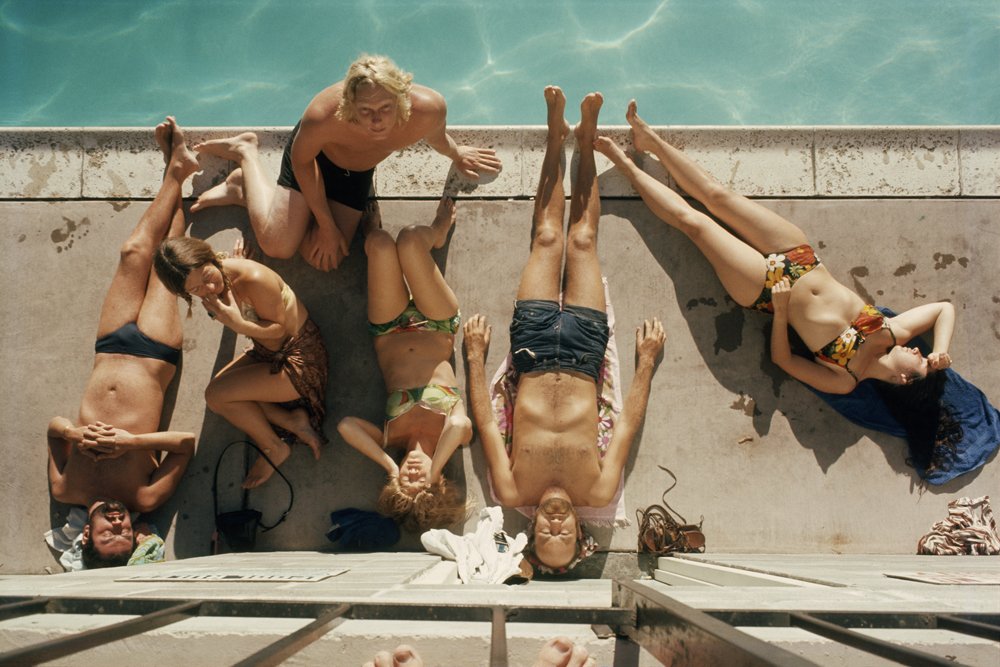
The Benrubi Gallery is proud to present the first gallery exhibition by The Family Acid, an artistic collective centering around the counterculture-era photography of Roger Steffens, and archived, digitized, and curated by Steffens’ daughter Kate, son Devon and wife, Mary. This is The Family Acid’s first exhibition with Benrubi Gallery.
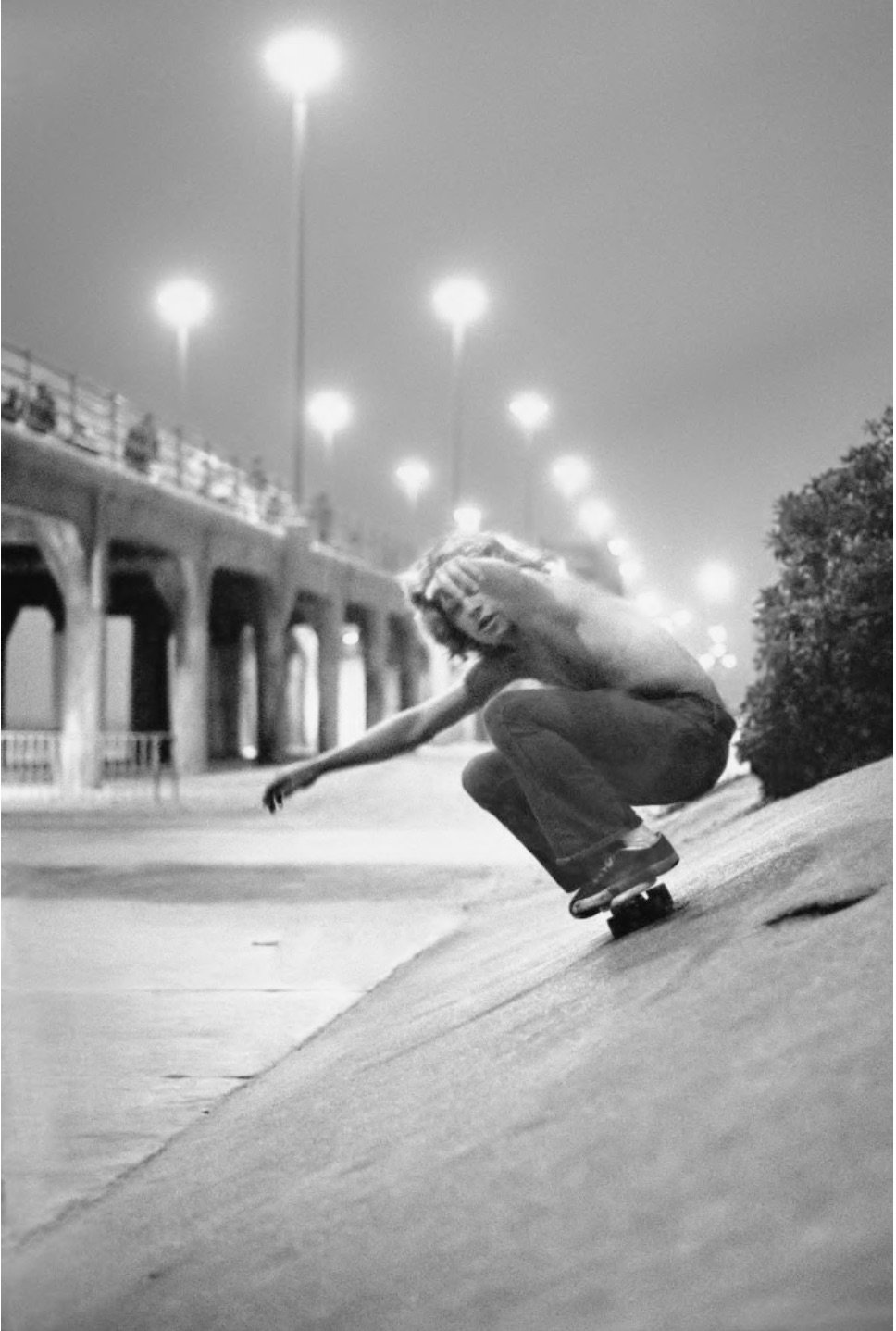
Roger Steffens is a renowned musicologist as well as an actor and narrator in both documentary and drama films: he’s published six books on Bob Marley, and appeared in or narrated such Academy Award–winning films as Forrest Gump, Wag the Dog, and The Flight of the Gossamer Condor. He began taking pictures while serving in the Psychological Operations Unit during the Vietnam War, and over the next two decades amassed an archive of some 400,000 images. Influenced by the gonzo journalism of Hunter S. Thompson and the psychedelic investigations of Timothy Leary, Steffens’s photographs offer a refreshingly cool, ground-level perspective on the counterculture of the 1960s and 70s. There is no distance here (more than one image is clouded with marijuana smoke) or forced striving toward objectivity or statement, only a series of intimate moments so deftly sliced from the continuum that they seem to be unfolding before our eyes. Inquisitive, empathic, often wry but never judgmental, Steffens’s work is diaristic, psychedelic, and documentary—impulses that would be discrete in another photographer’s work, yet are here merged into photographs that, in the words of his son Devon, “imagine a different America, one of strange beauty and mystic truth.” The revolution of mores, tastes, and behavior is a constant, but this transformation unfolds against timeless human rituals—talking, dancing, sunbathing, playing—which emphasizes cultural continuity rather than disjunction, and produces images that are simultaneously intimate and transcendental, quotidian and universal.
Concurrent with The Family Acid, the project space features selections from The Day the Dam Collapses by renowned photographer Hiroshi Watanabe. Watanabe’s small-scale images isolate the archetypal resonances that often go unacknowledged amidst the saturated stimuli of daily life. An exquisite eye for color and masterful manipulation of the frame define the images, which are peripatetic and often fortuitous, but it is the gesture toward the mysterious and possibly metaphysical that relocate them to a narrative that lies beneath the historical.
For press and other inquiries, please email: info@benrubigallery.com
KARINE LAVAL - ARTIFICIAL BY NATURE
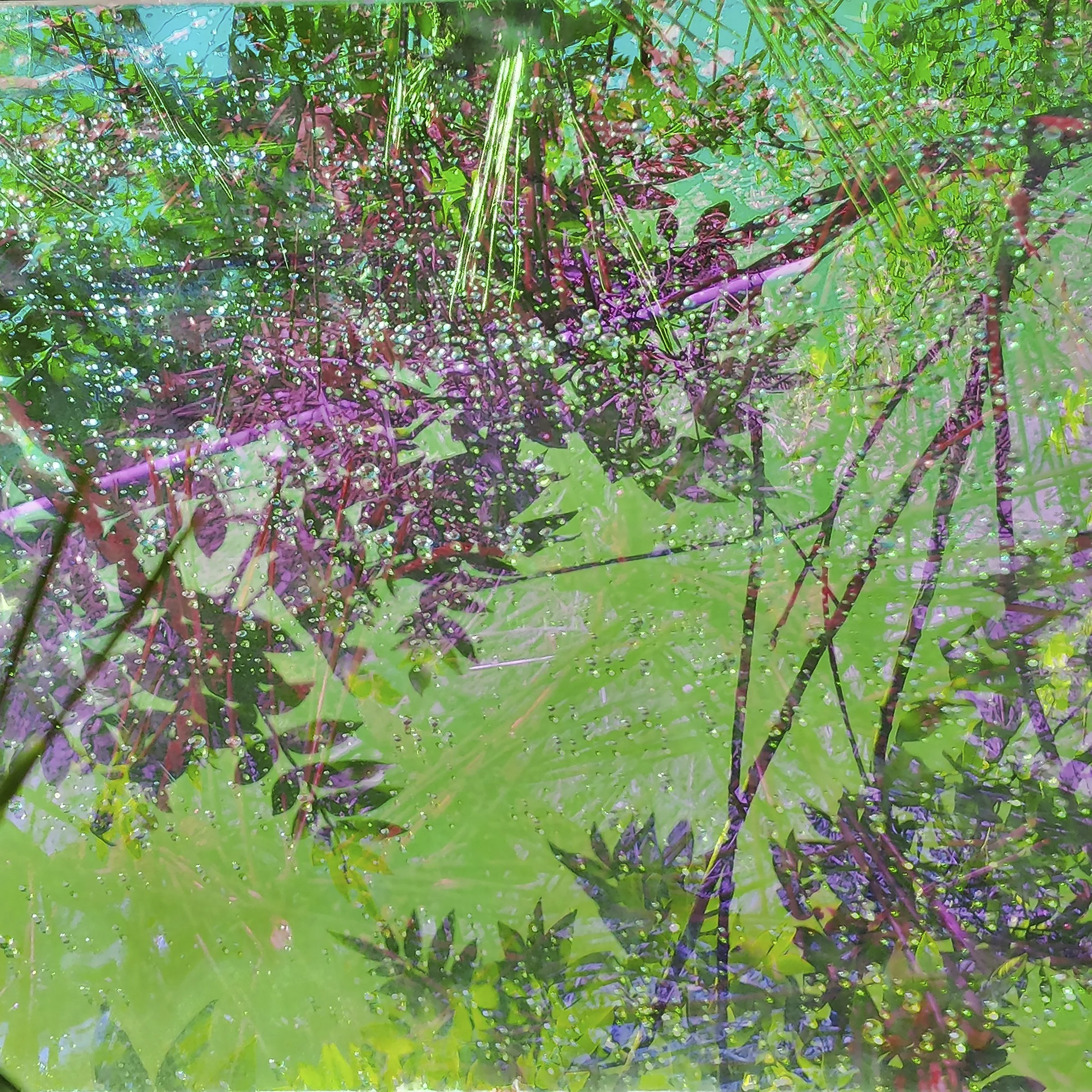
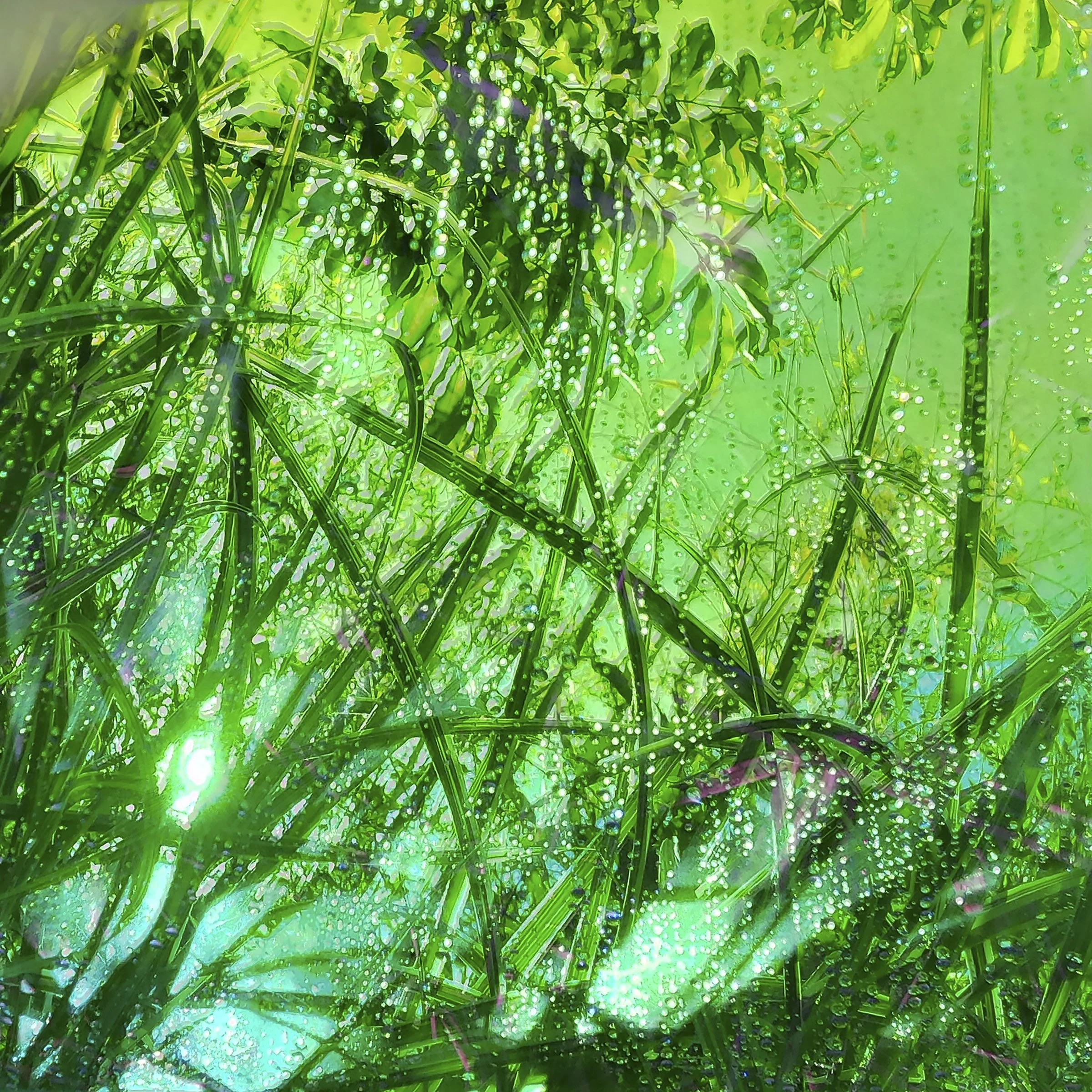
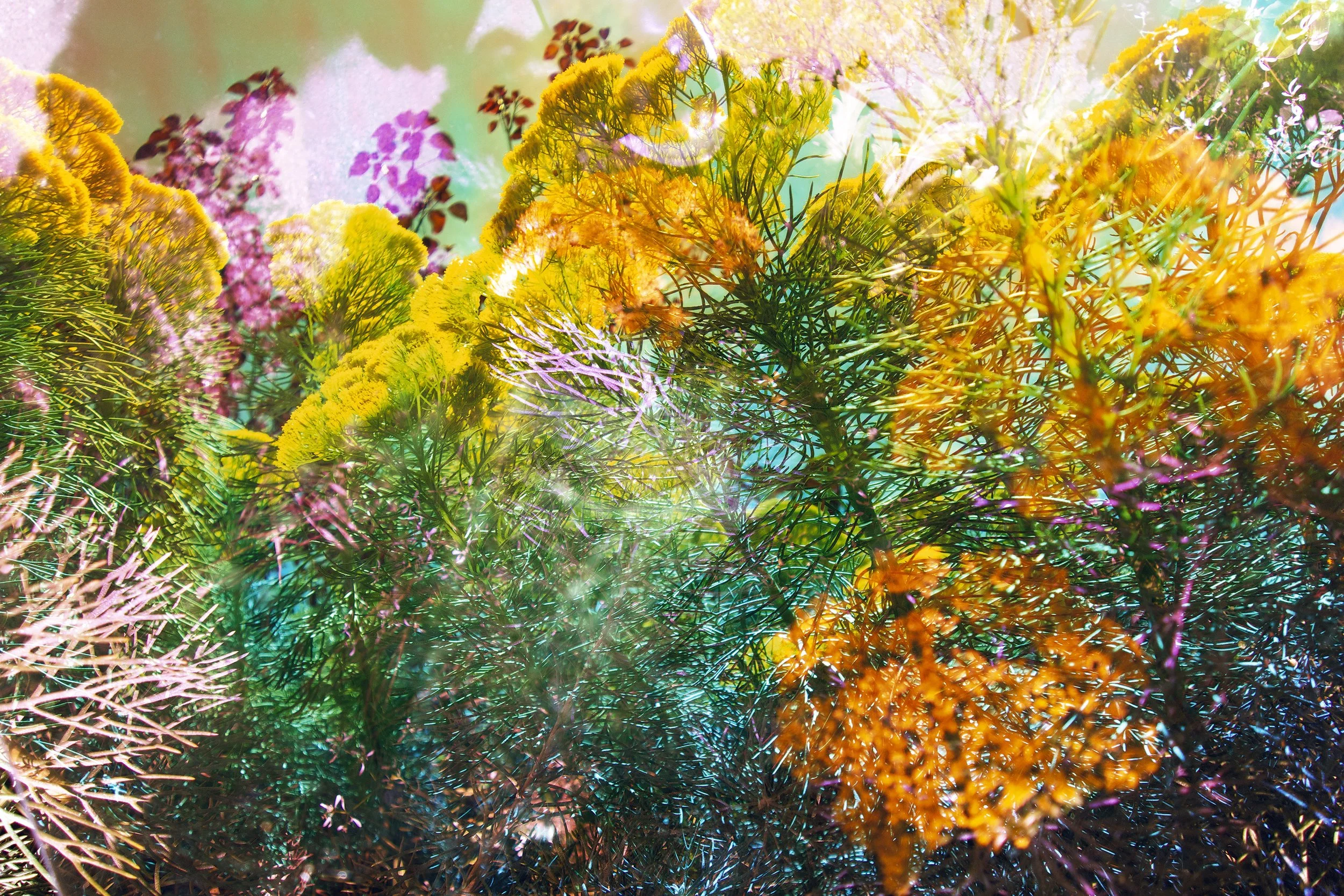
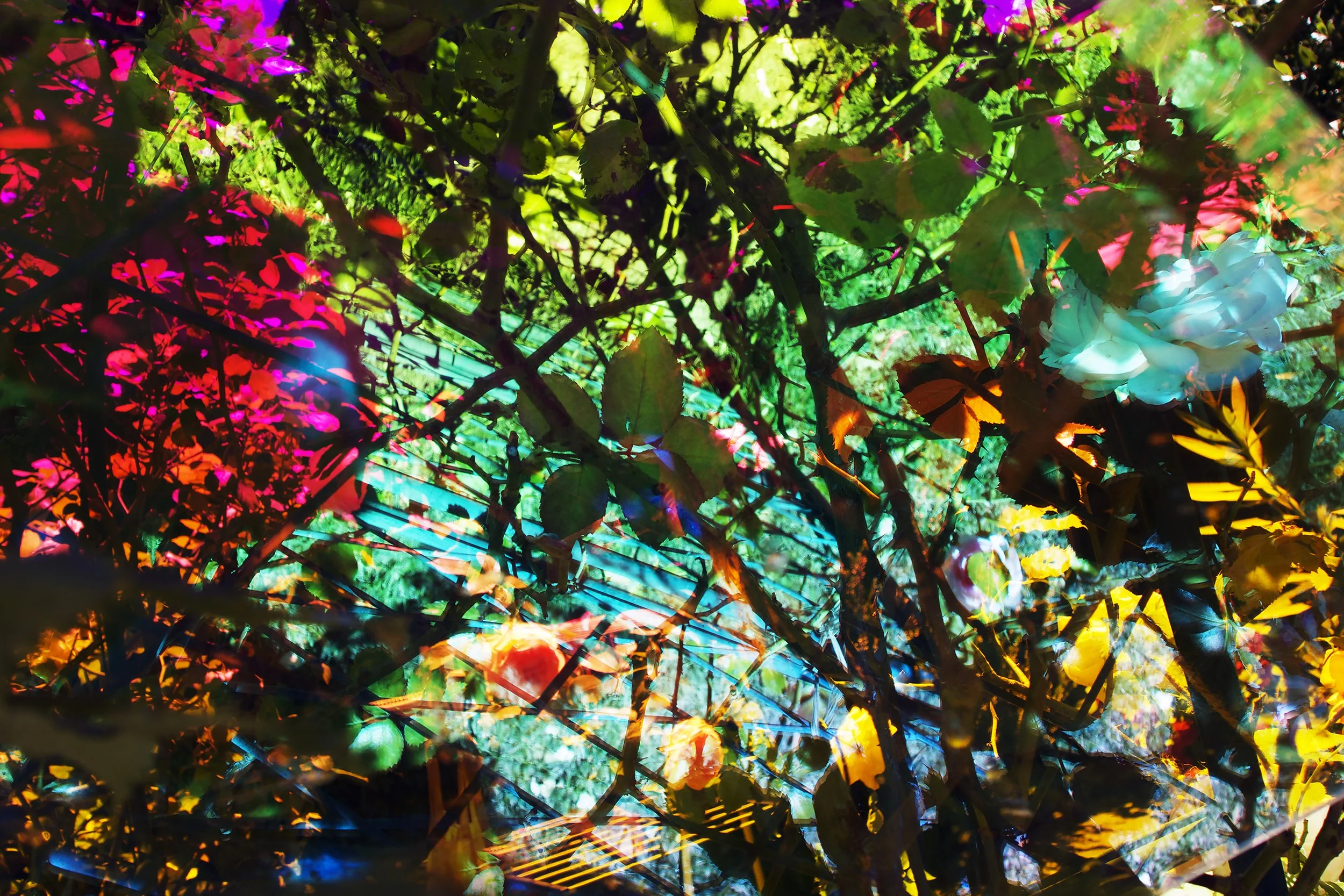
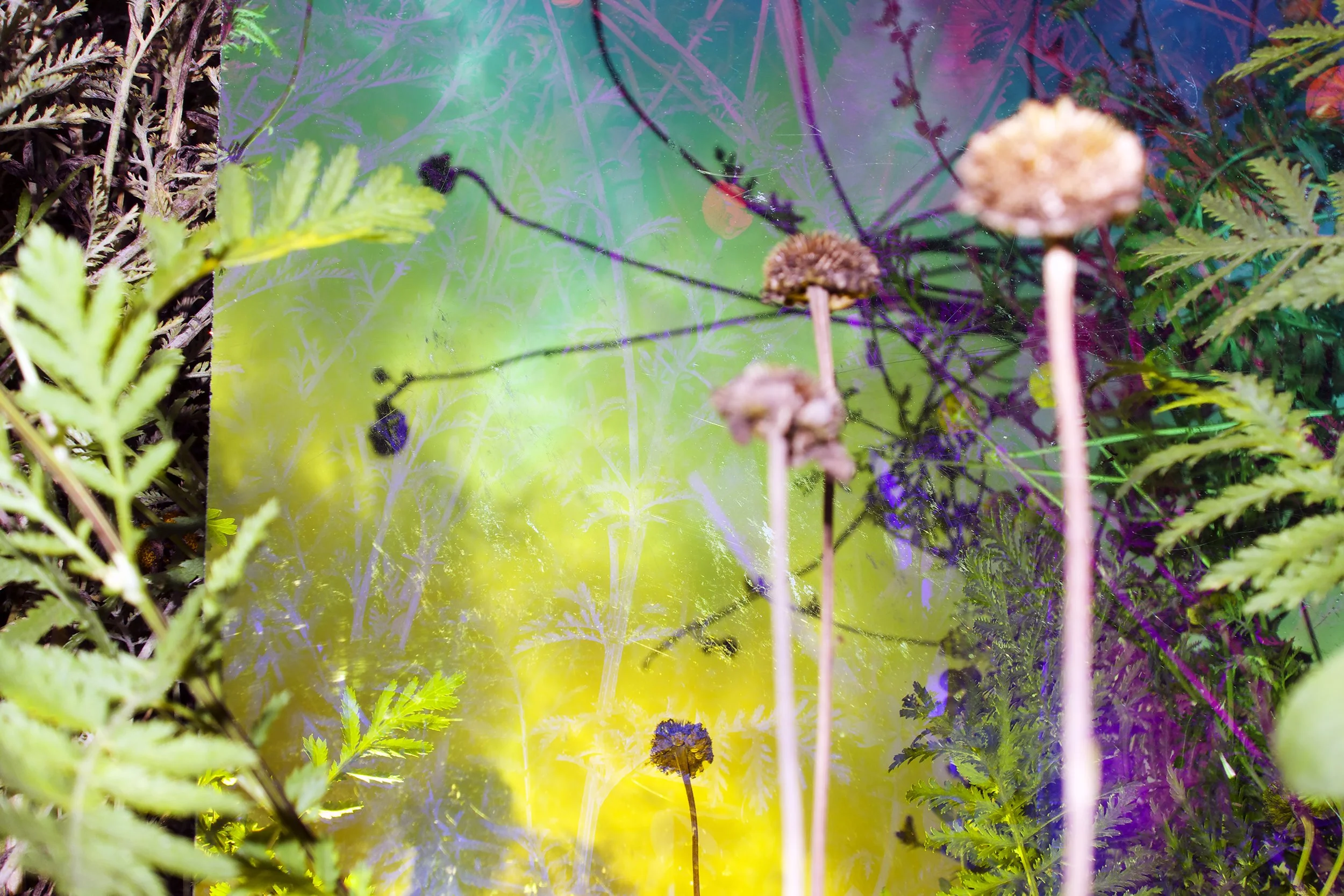
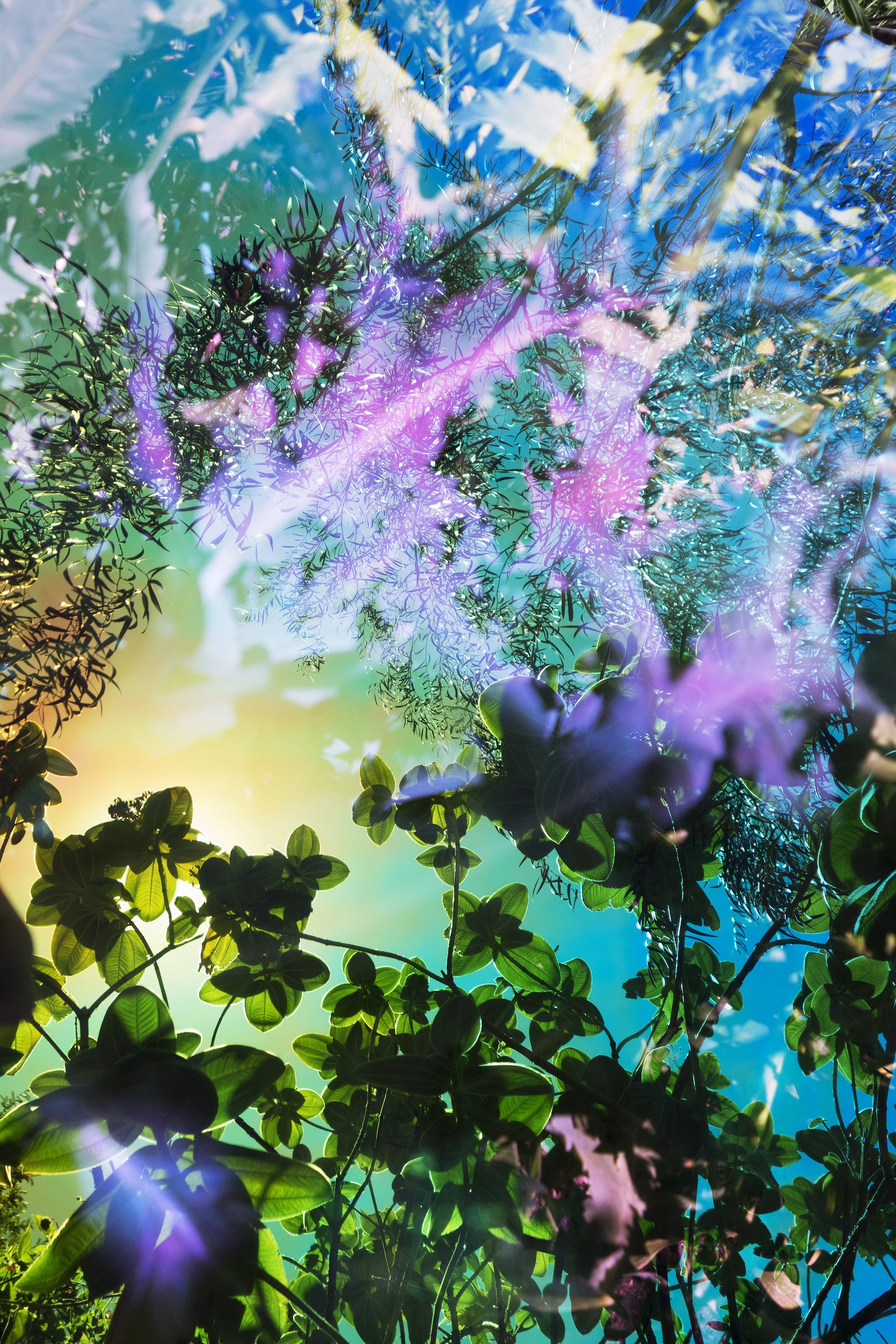
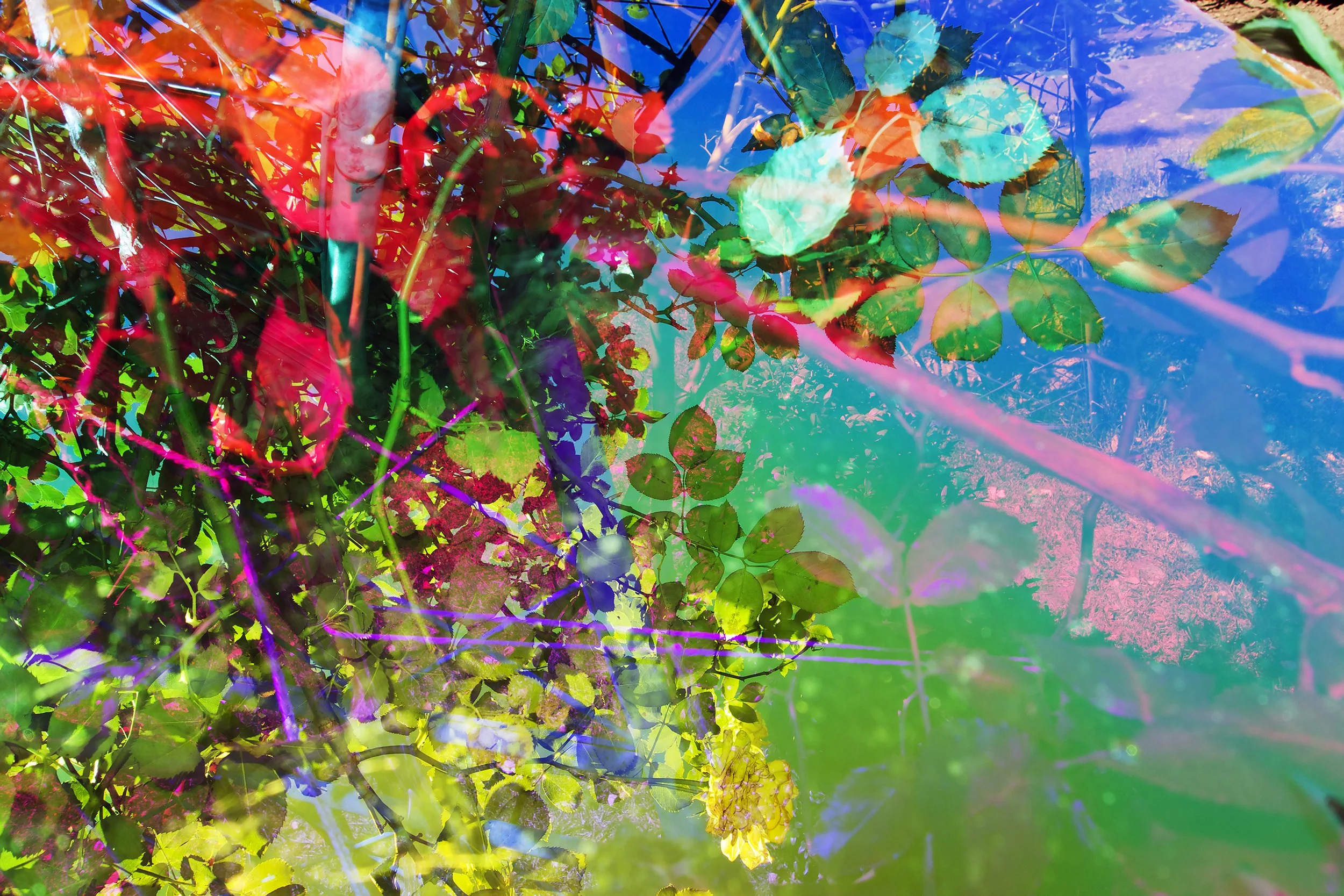
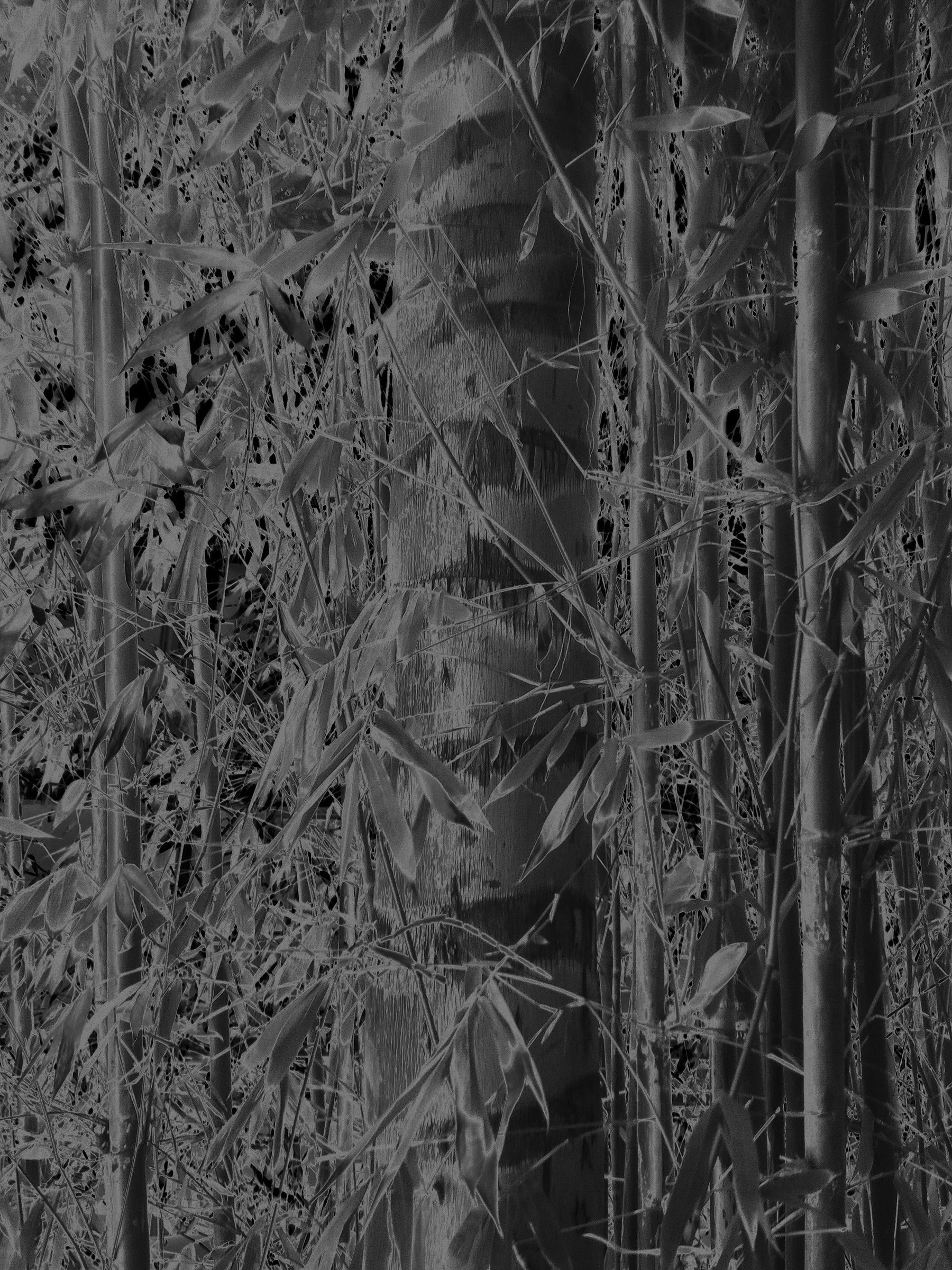
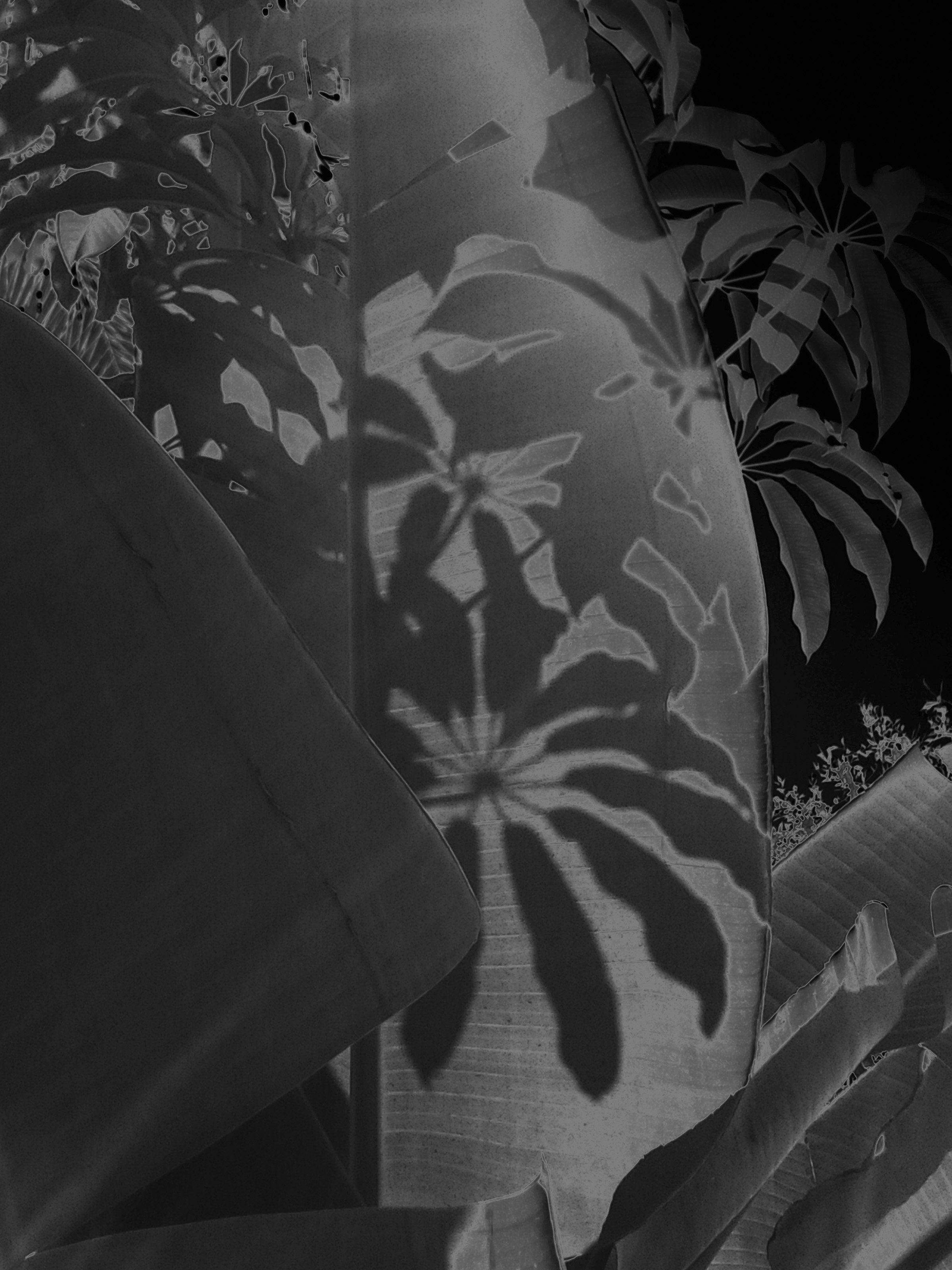
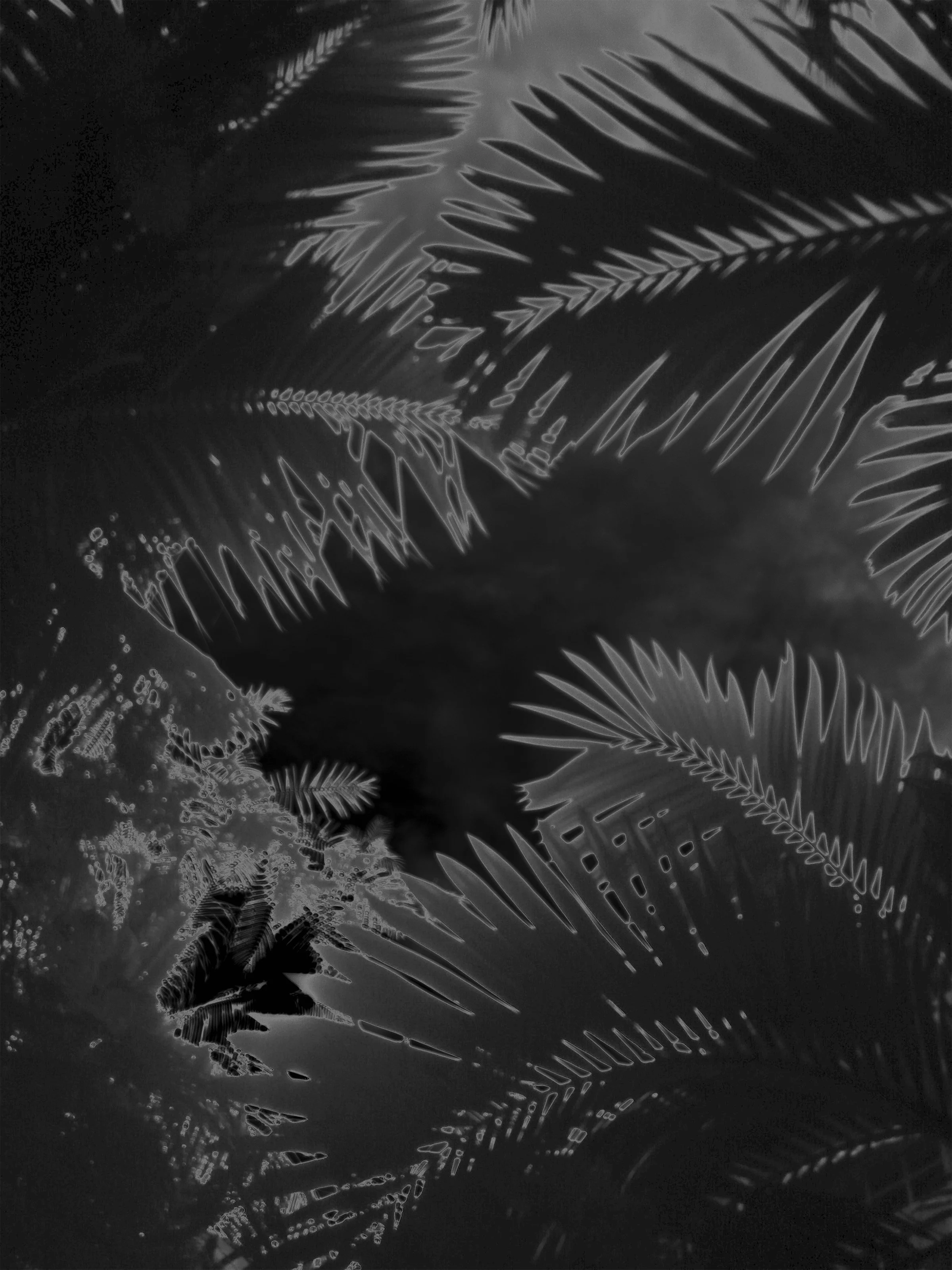
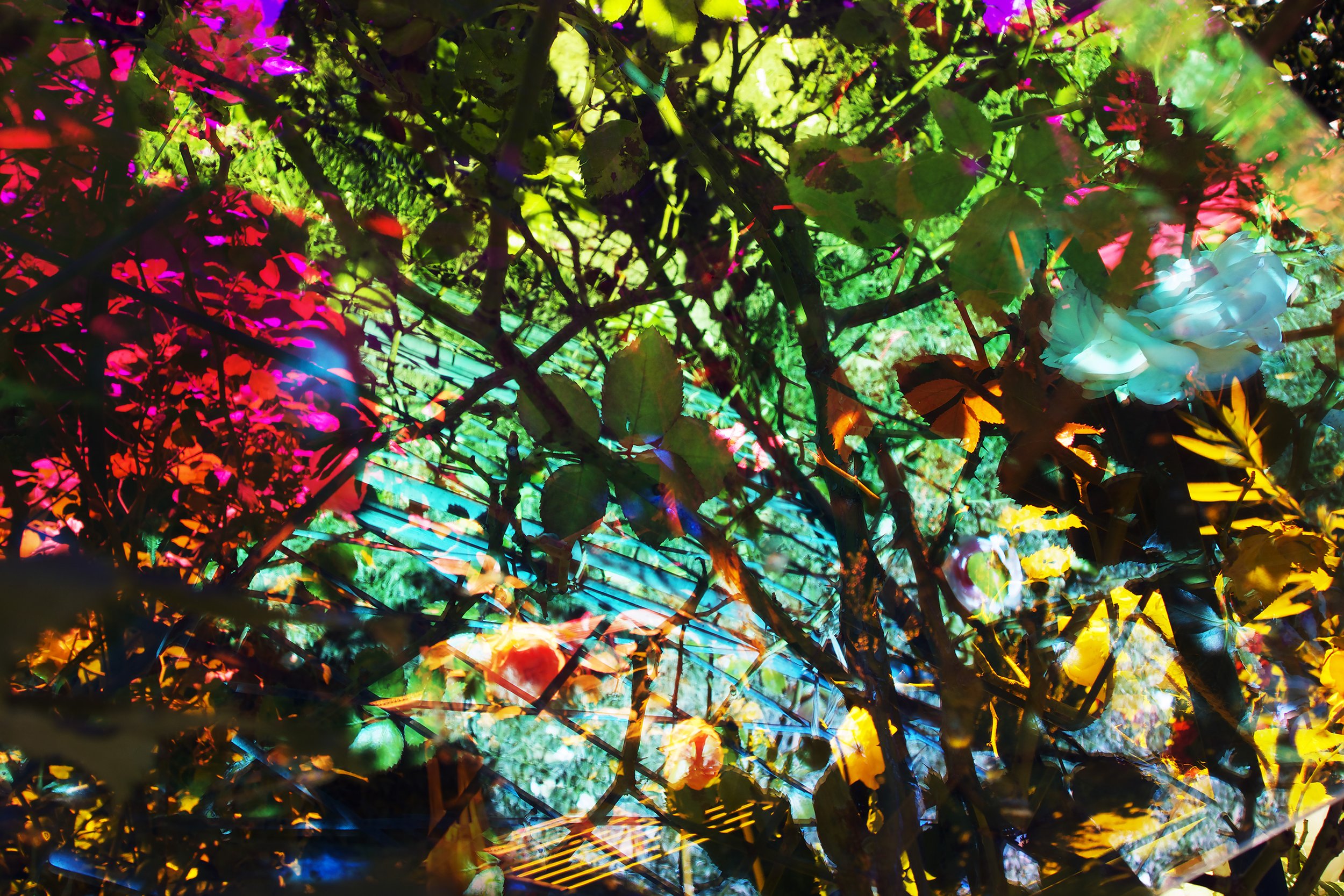
Benrubi Gallery is pleased to present Artificial by Nature, the new exhibition by Karine Laval. Artificial by Nature continues the artist’s long exploration of distorted realities and altered perceptions, resulting in manipulations of light and color as sophisticated as they are seductive. Laval's fifth solo exhibition with the gallery will also debut her foray into scuplture.
The gallery’s main space features selections from Laval’s Heterotopia, a series of densely layered photographs of gardens and other manicured “natural” environments. Placing sheets of glass and mirrors in the composition, and employing skewed perspectives and extreme crops, the images in Heterotopia are suffused with the luminescence of stained-glass windows while possessing the uncanny charm of movie stills or extraterrestrial landscapes. Tiny stems appear tall as trees, while empty space fills up with clouds of color that swirl with the celestial movement of nebulas. Yet there are often traces of the unmanipulated scene left in the frame, reminding viewers that this is in fact a familiar world, and the only thing that’s changed is the way it’s perceived. Light, which we’re accustomed to think of as the medium we see through, is revealed for what it is: the medium that brings the images to our eyes, and that possesses layers far richer than what we normally see.
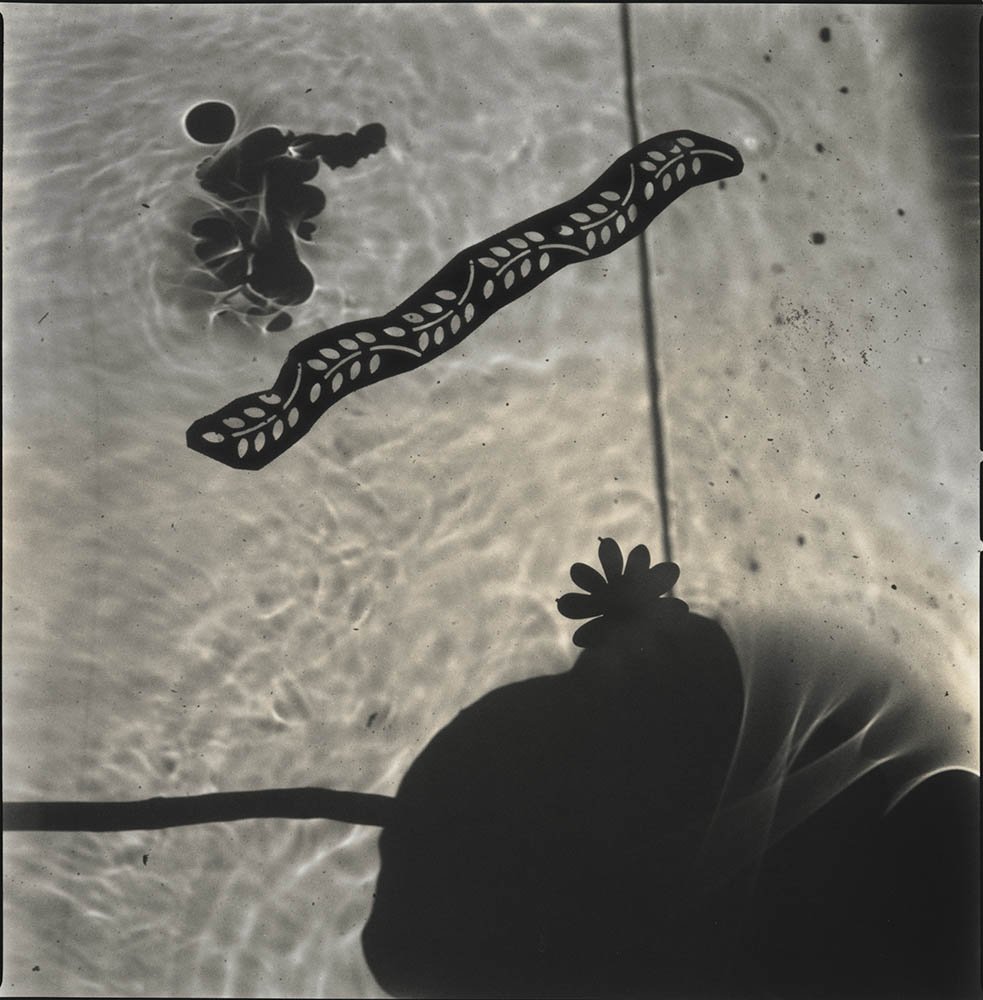
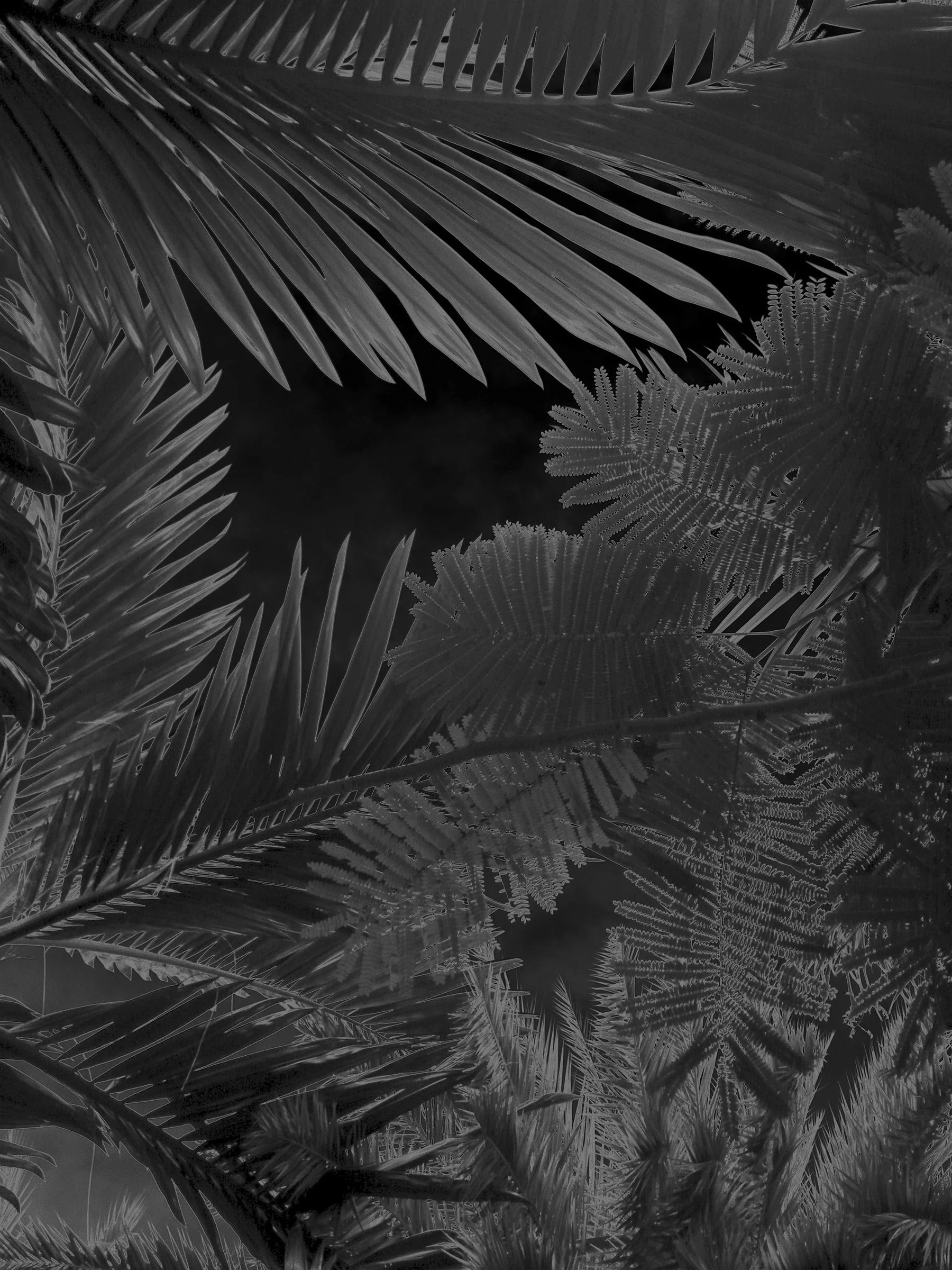
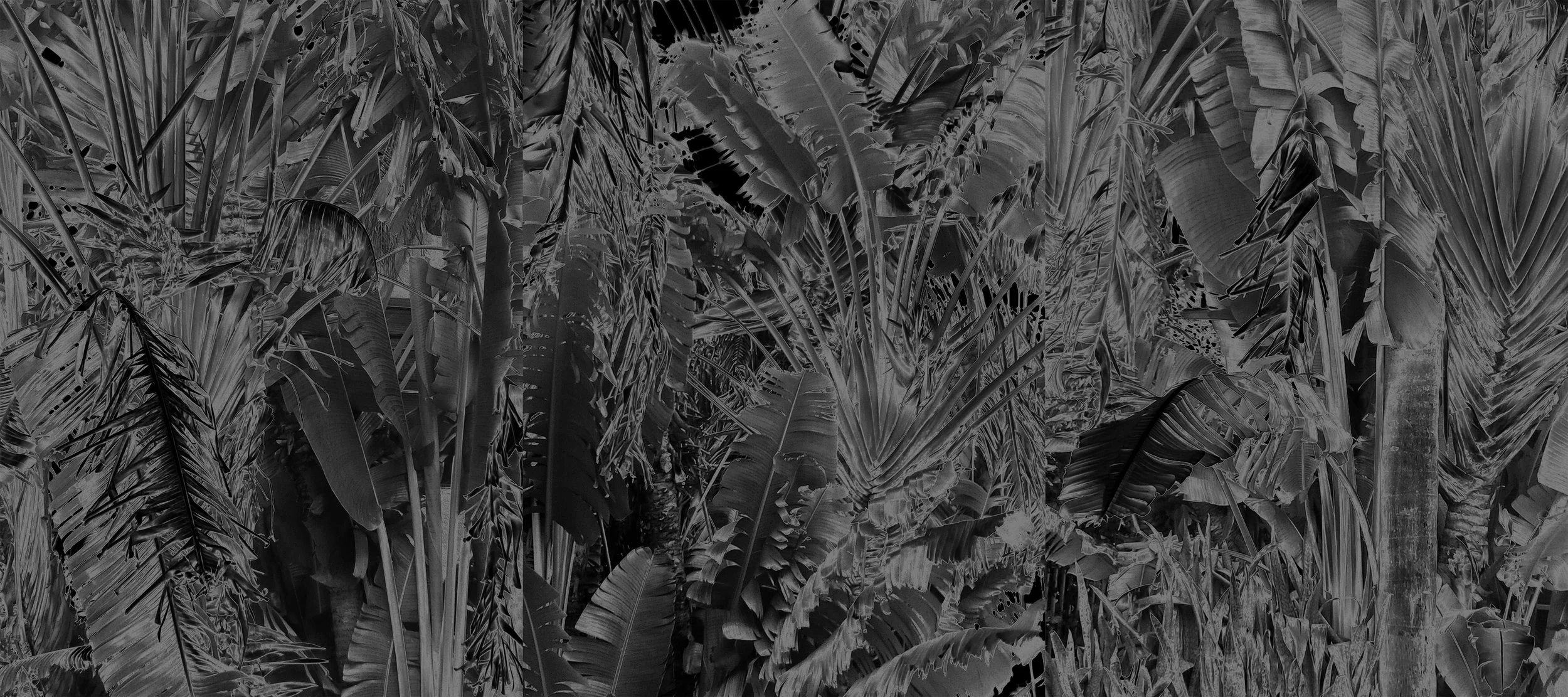
On view in the project room are selections from Black Palms, a series of images of Los Angeles palm trees, shot from below and solarized, leaving behind vast black fields jaggedly slashed with silver etchings. The zigzag tracings of the palm leaves recall photograms or the stylized manipulations of light in film noir (in which many of these trees once featured), while the inky gloss of the images simultaneously reflects viewers’ gaze and sucks them into an interstellar vastness. But as with the images in Heterotopia, the quotidian reality is discernible, leaving viewers with the uneasy yet uplifting suggestion that the world is what we think it is only because of long-held and often unconscious patterns of association. There is always more to see.
Karine Laval (b. 1971) was born in Meudon-La-Foret, France and lives in Brooklyn, NY. Her work has been widely exhibited in solo and group exhibitions in the United States and internationally at such venues as the Palm Springs Art Museum, the Los Angeles Center for Digital Art, the Sorlandet Art Museum in Kristiansand, Norway, the Palais de Tokyo in Paris, and at several photo festivals throughout Europe and the US. Laval was a finalist in France’s Villa Medicis Hors Les Murs as well as the recipient of the Peter S. Reed Foundation Grant.
For press and other inquiries, please email: info@benrubigallery.com
MICHAEL NAJJAR - OUTER SPACE
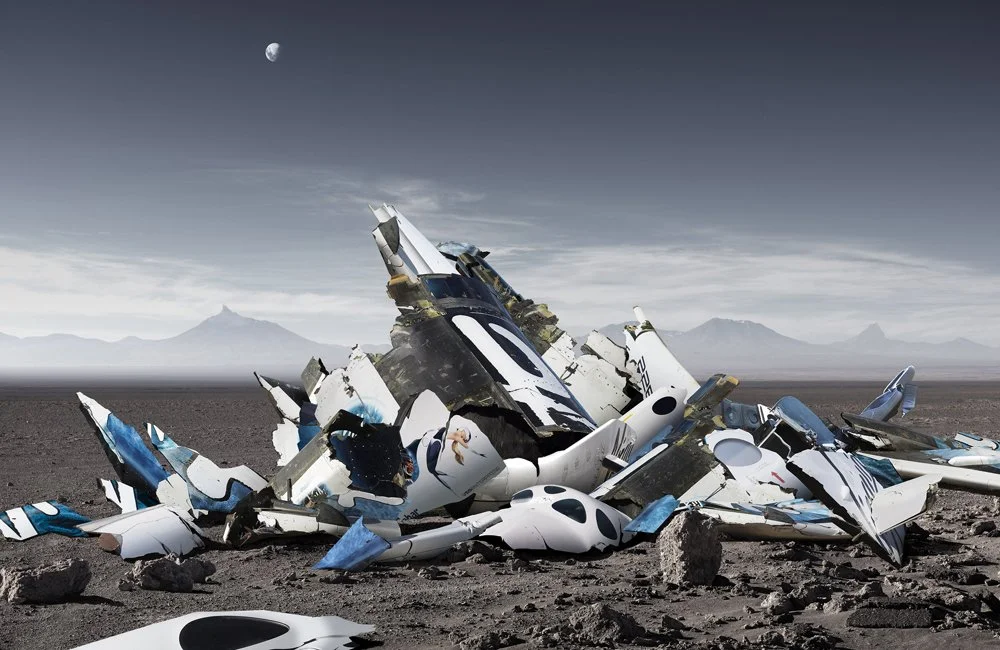
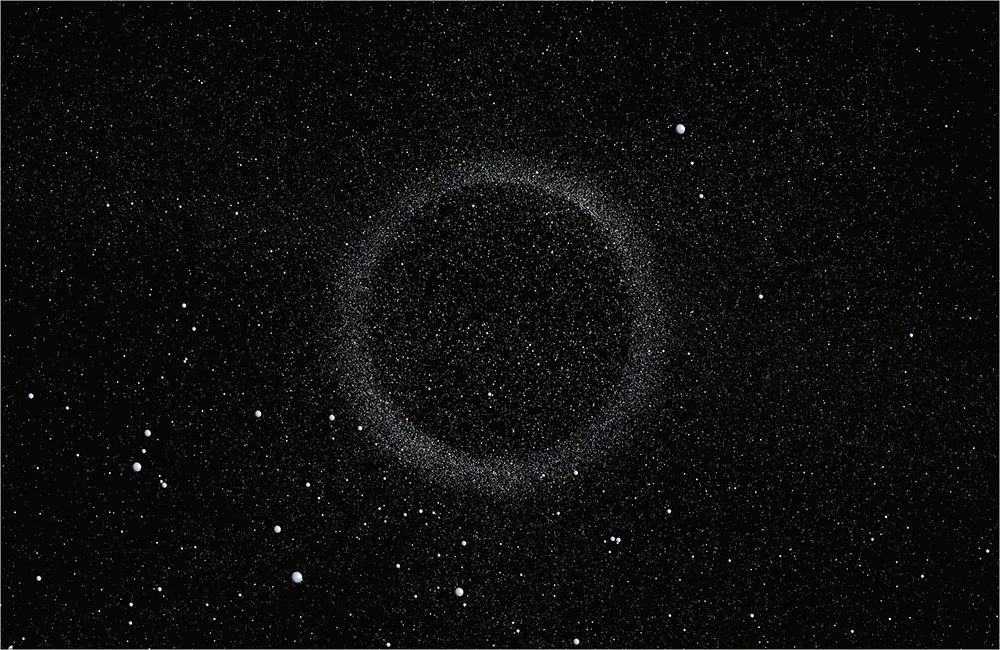
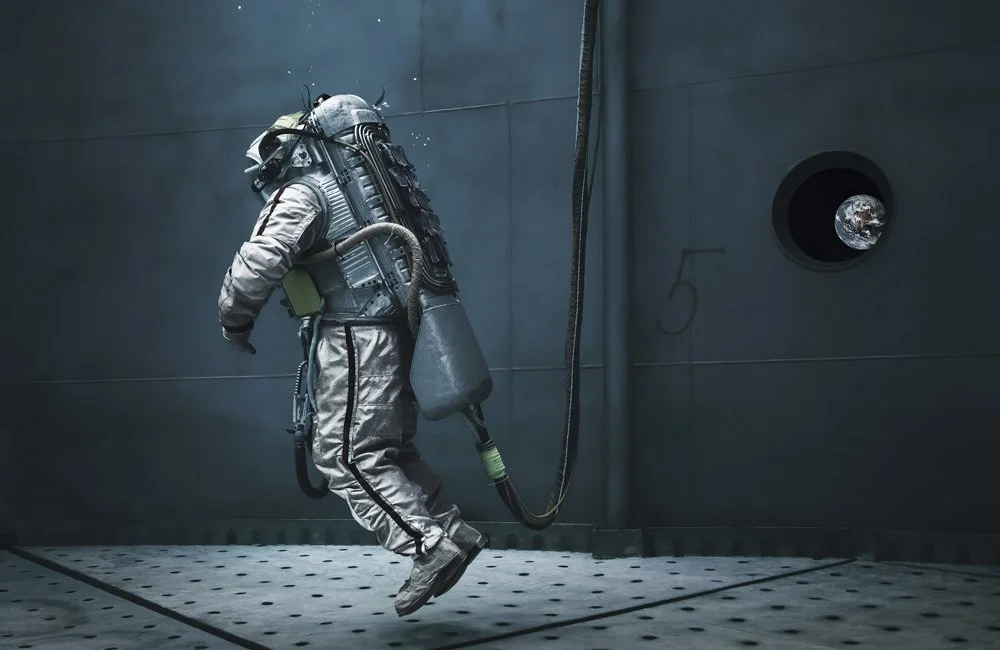
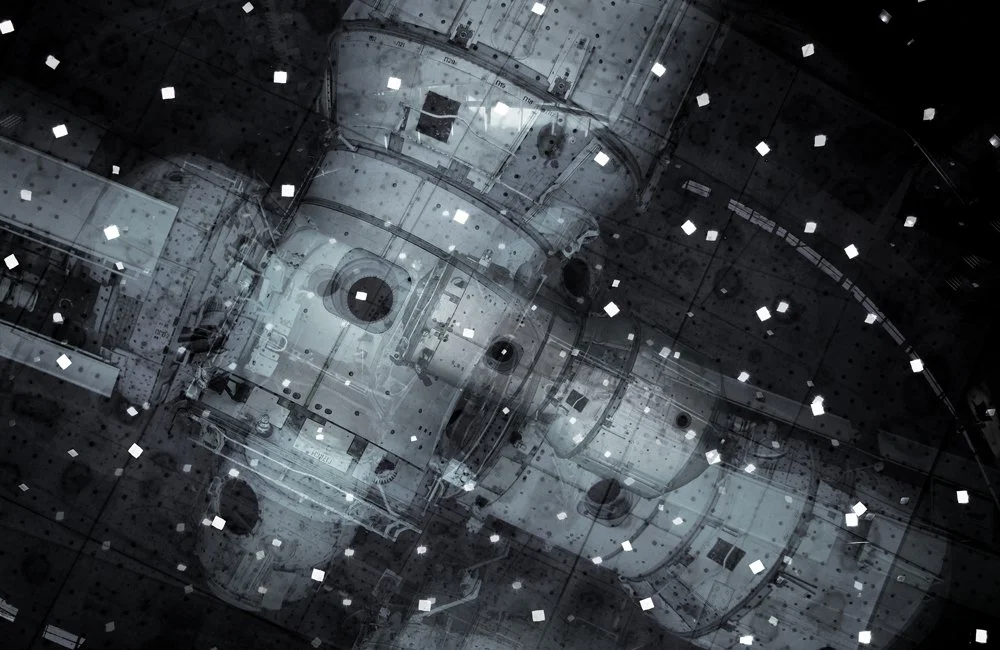

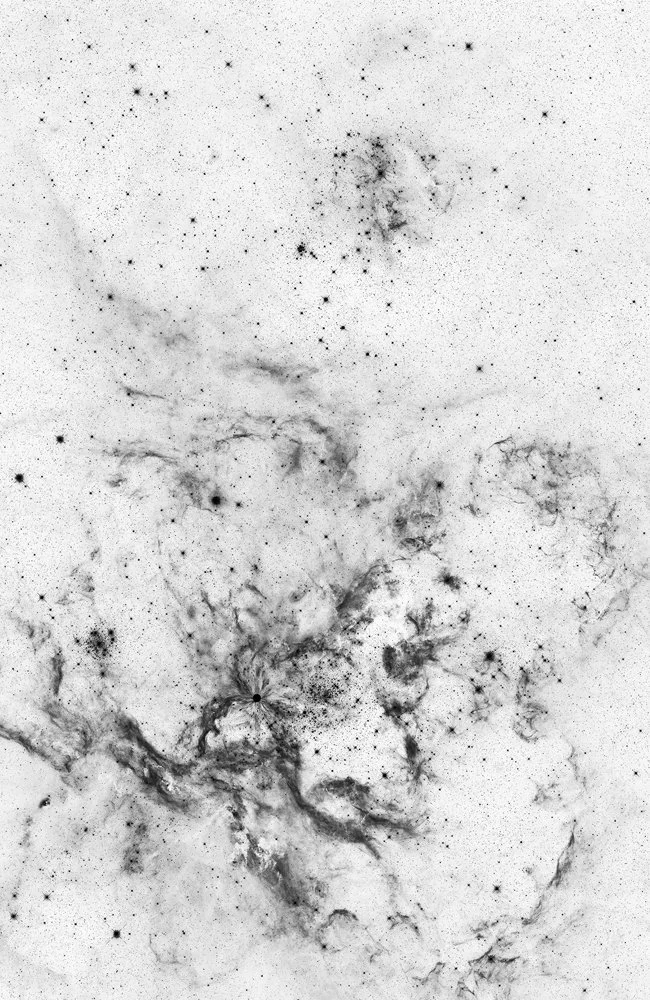
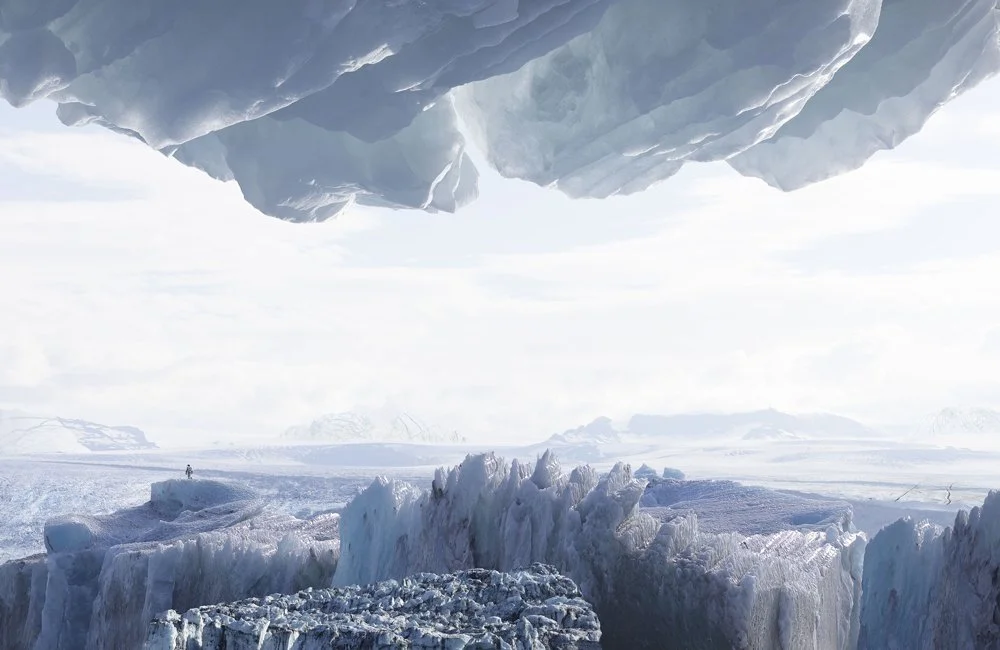
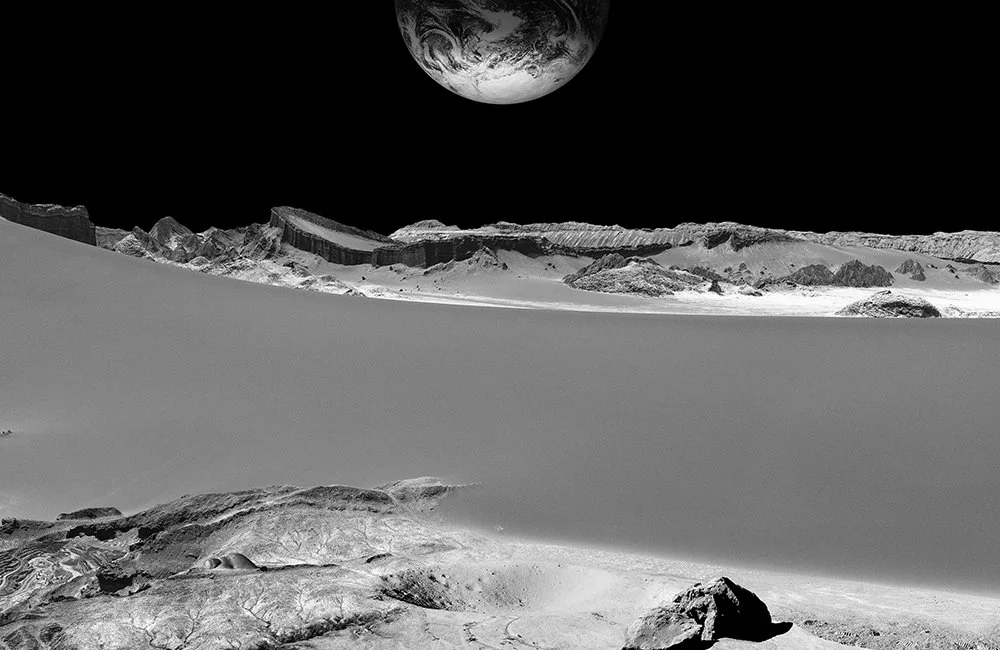
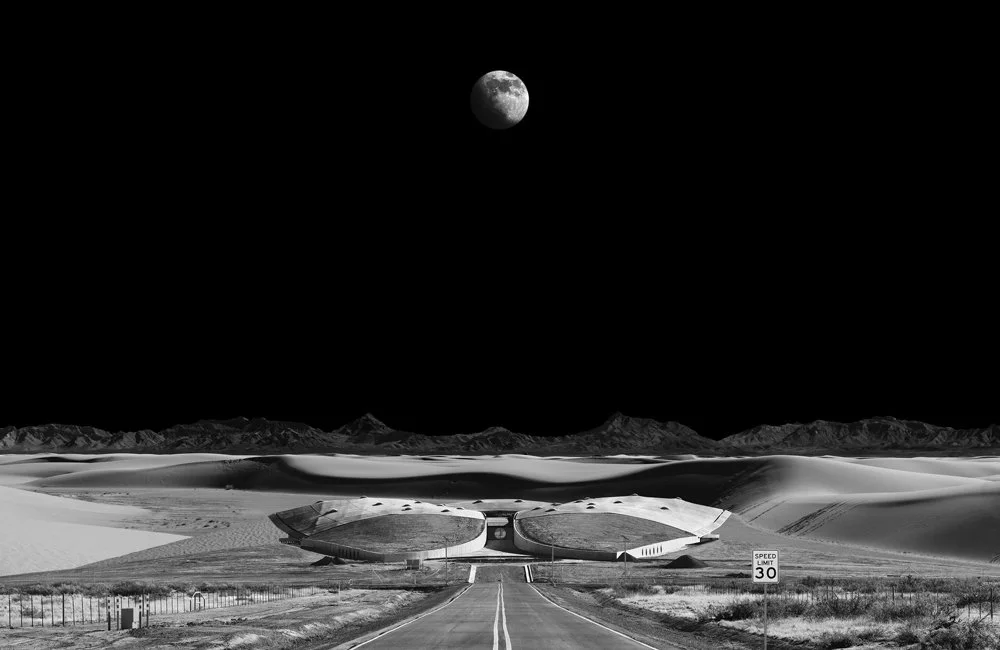
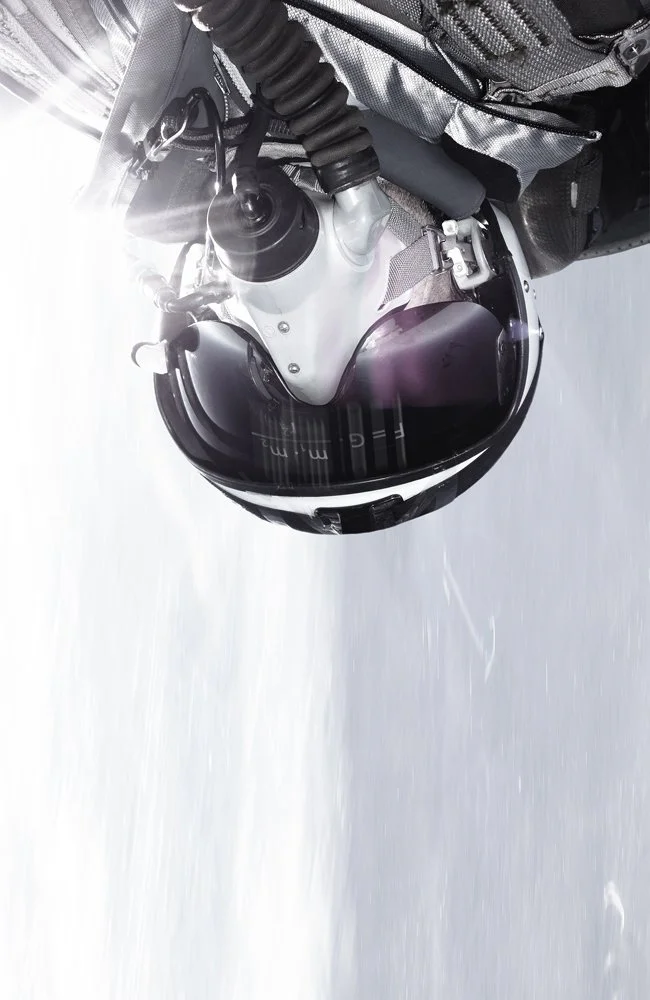
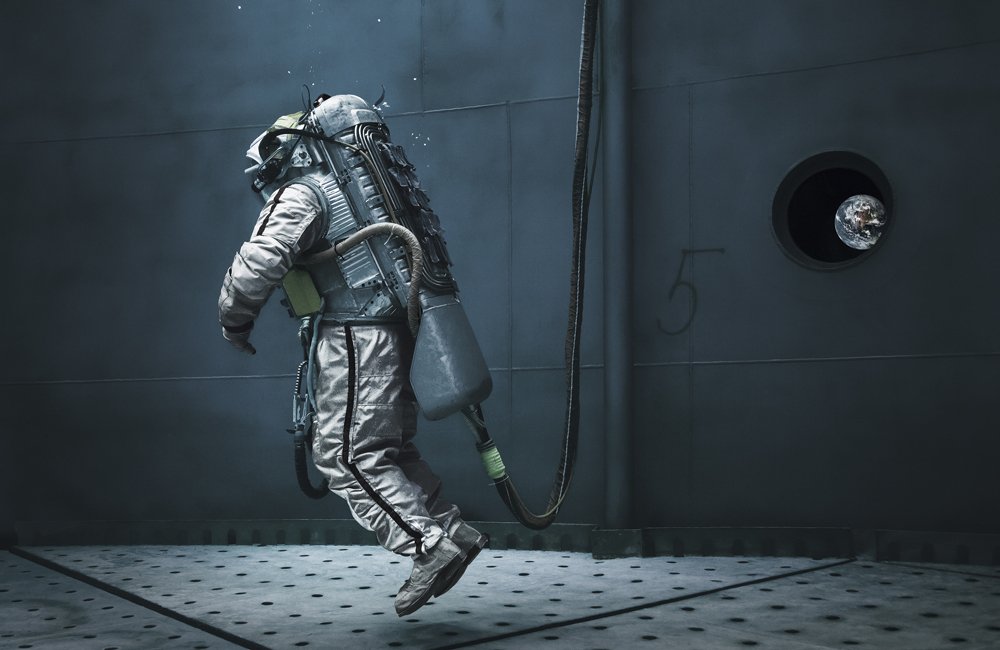
Benrubi Gallery is pleased to announce German photo and video artist Michael Najjar's solo exhibition, outer space – the artist’s first show with the gallery and the first major showing of this series in New York City. outer space explores the latest development in space travel and how it is shaping future life on earth and in near-earth orbit. Informed by Najjar’s training to become the first civilian artist to fly to space, the series of large-scale photographs capture an intense and immersive futuristic world, inspired by cutting-edge aeronautic technologies and the nascent space tourism industry. The potential of the photographic image is pushed to new frontiers as realistic elements fuse with fictitious realities to make visible what is invisible or beyond human perception.
Central to outer space is Najjar’s personal experience with space flight and the performative aspect of the exhibited images. As one of the pioneer astronauts of Richard Branson’s Virgin Galactic, Najjar has been undergoing an intensive, multistage cosmonaut training in Star City, Russia, since 2012, and is scheduled to board SpaceShipTwo in the near future. The artist uses the actual experience of training (zero-g flight, centrifuge training, stratosphere flight, and underwater space walks, to name a few) to create complex and never-before carried out photos that examine vital connections between humans and technology. Reality and simulation are so intertwined that they become indistinguishable, allowing for novel ways of seeing. Video artworks based on Najjar’s extreme training will be shown as part of the exhibition.
The acceleration in aeronautic research and industry and the birth of commercial space travel has brought humanity on the verge of a new era. The images of outer space – the ultra-high resolution telescope “golden eye II,” the world’s largest centrifuge, the first private spaceport, mineral mining on the moon, or space debris orbiting around the earth at fast speed – all address these technological advancements, attempting to elucidate their important cultural implication through artistic transformation. “By leaving our home planet and flying to the moon or other planets, we change our understanding of who we are and where we come from,” Najjar says. “The point is to reflect on our world and what it means to us and the generations to come after us. It’s about the very origins of the self.”
For press and other inquiries, please email: info@benrubigallery.com
CORINNE MAY BOTZ - BEDSIDE MANNER
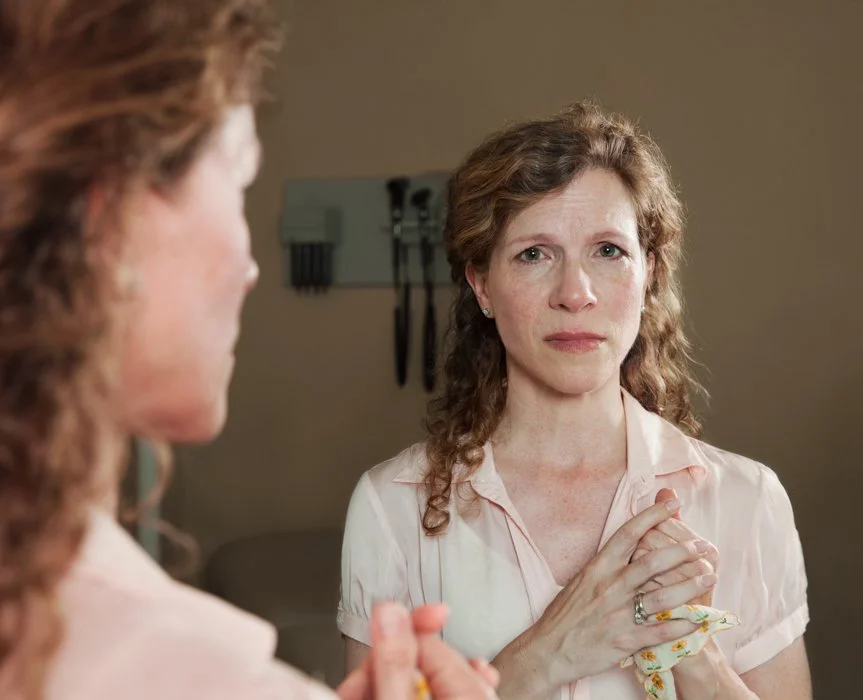
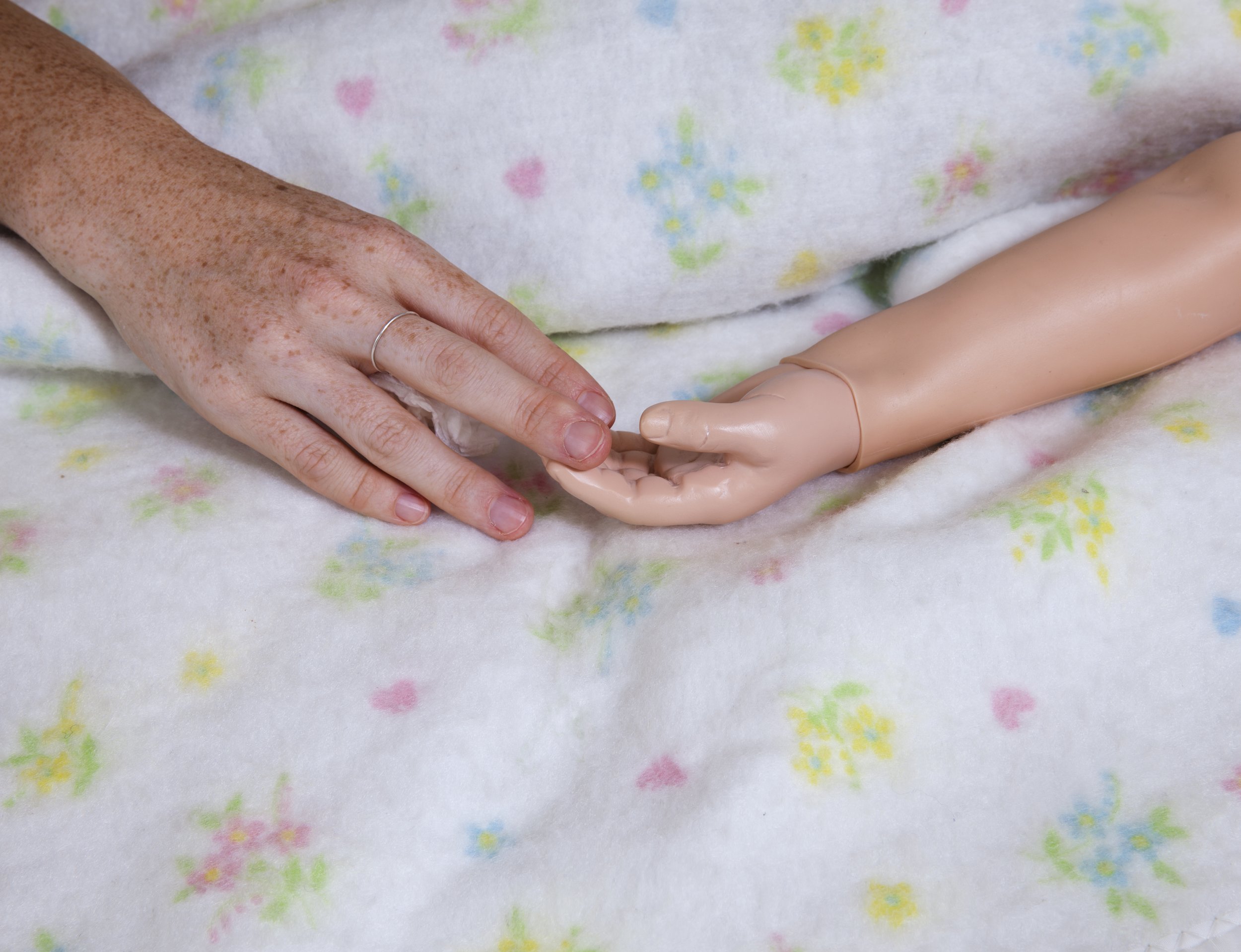
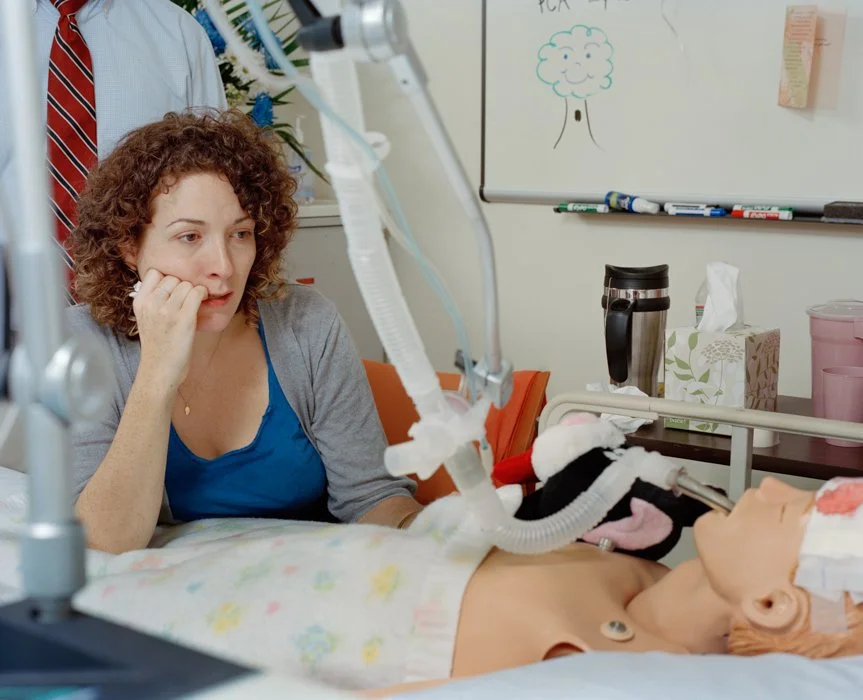

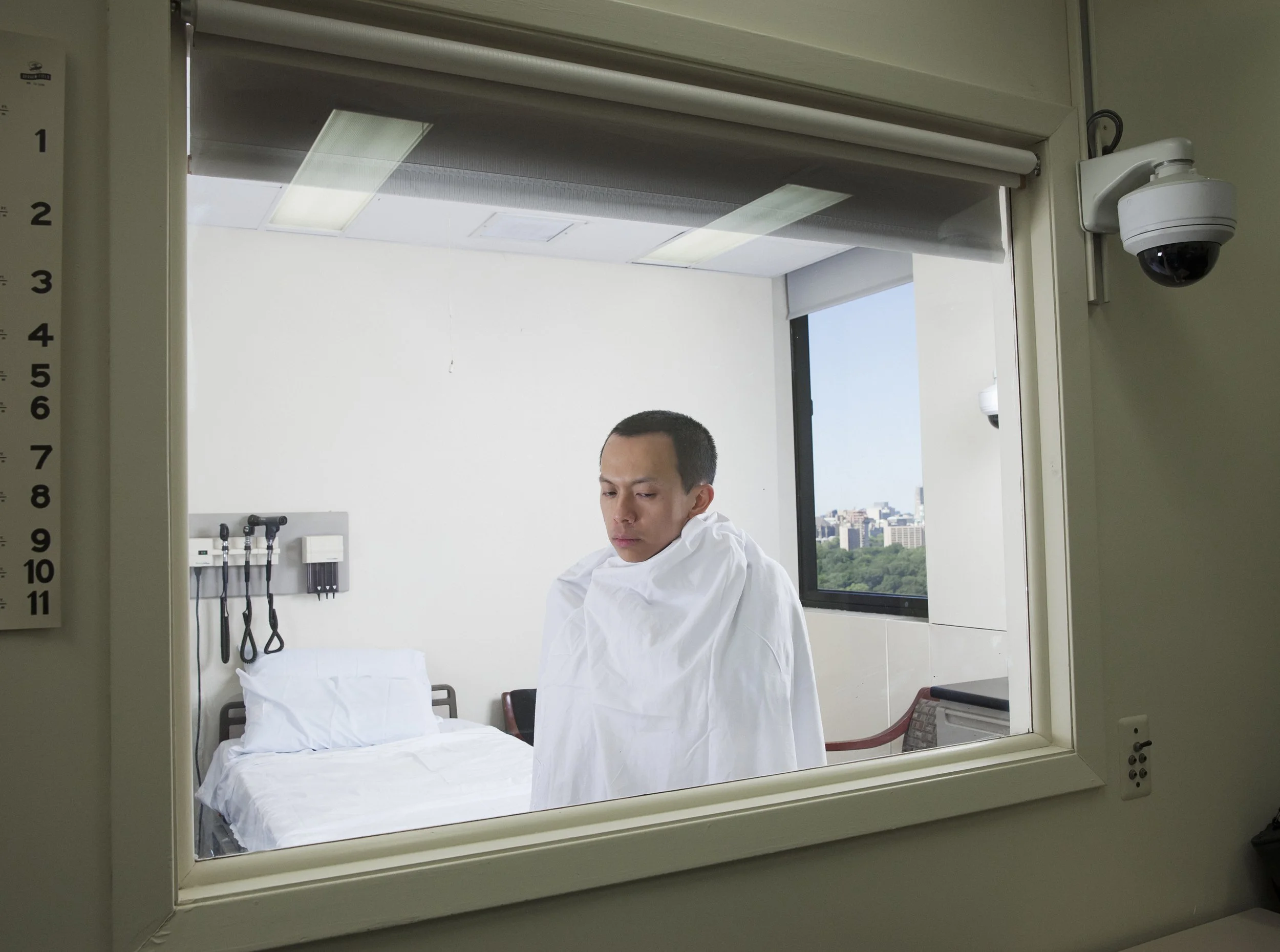
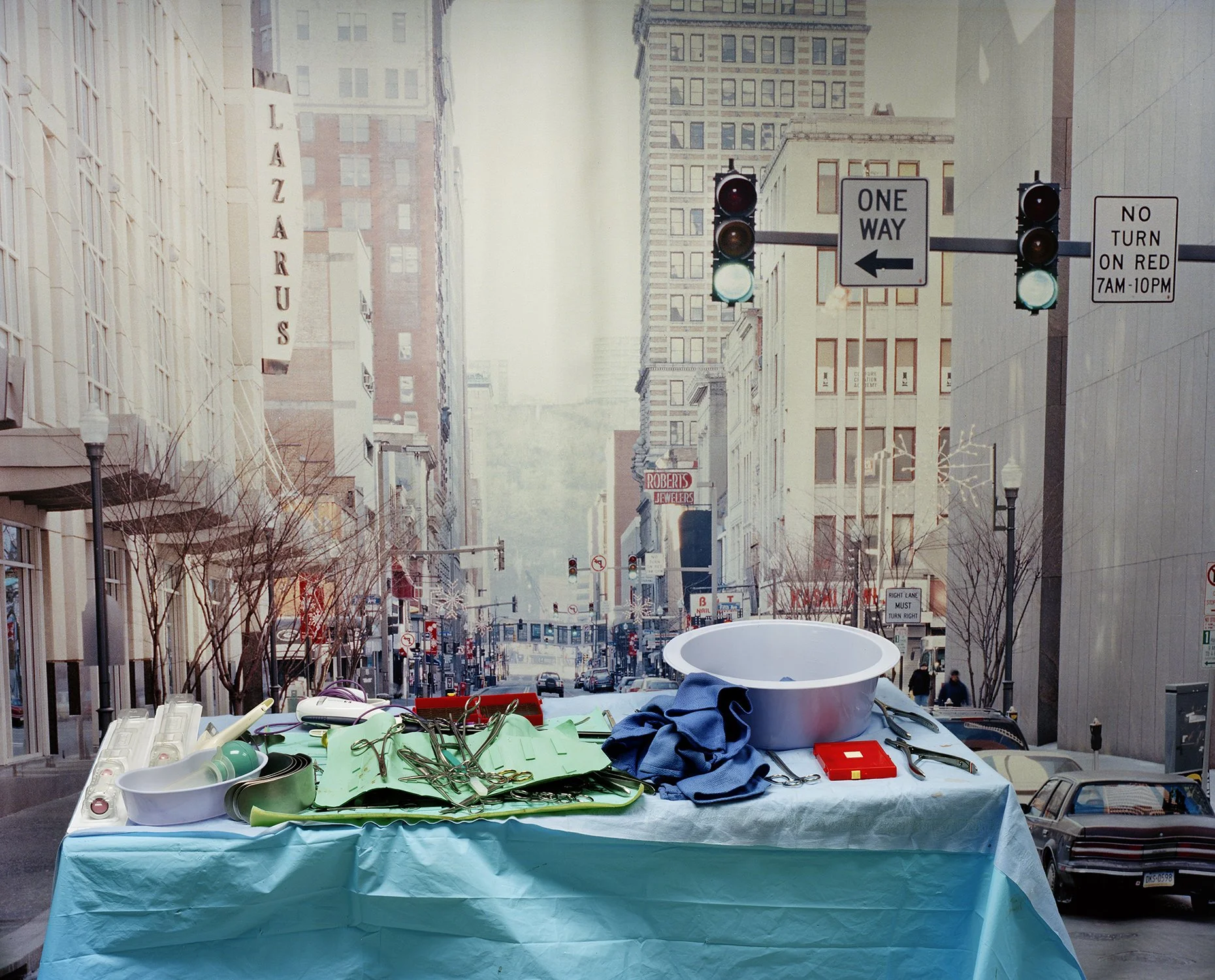
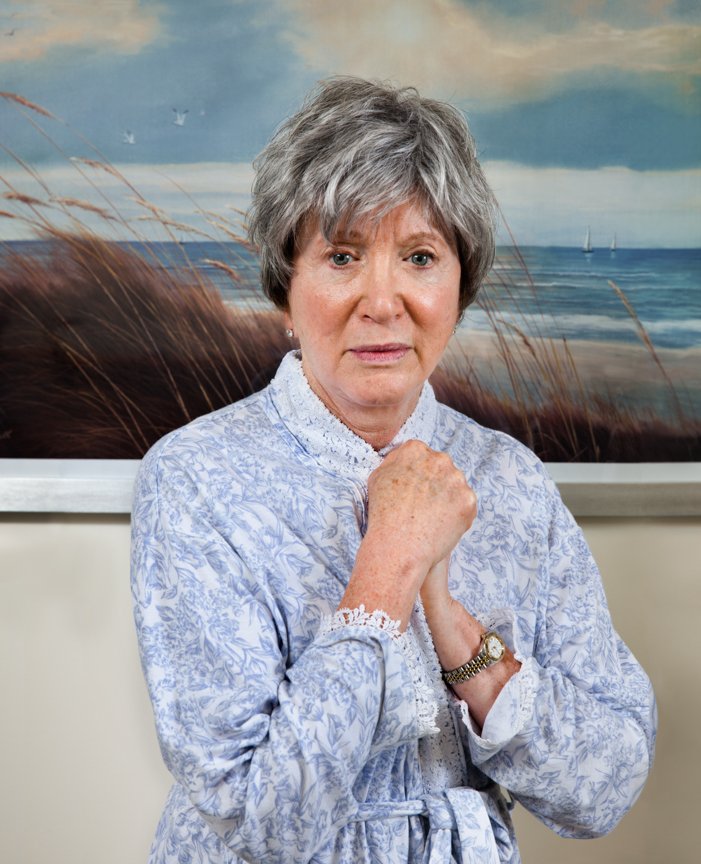
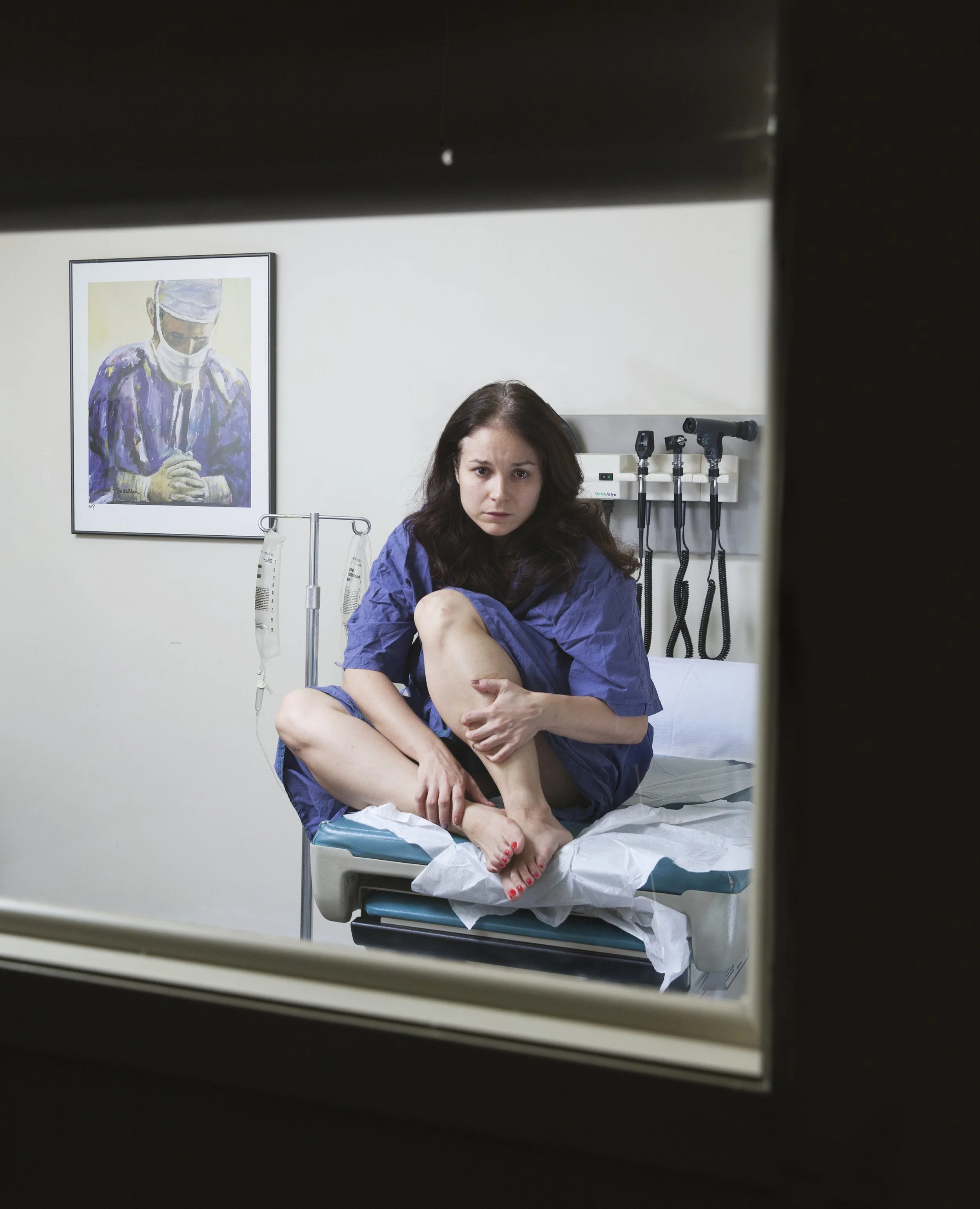
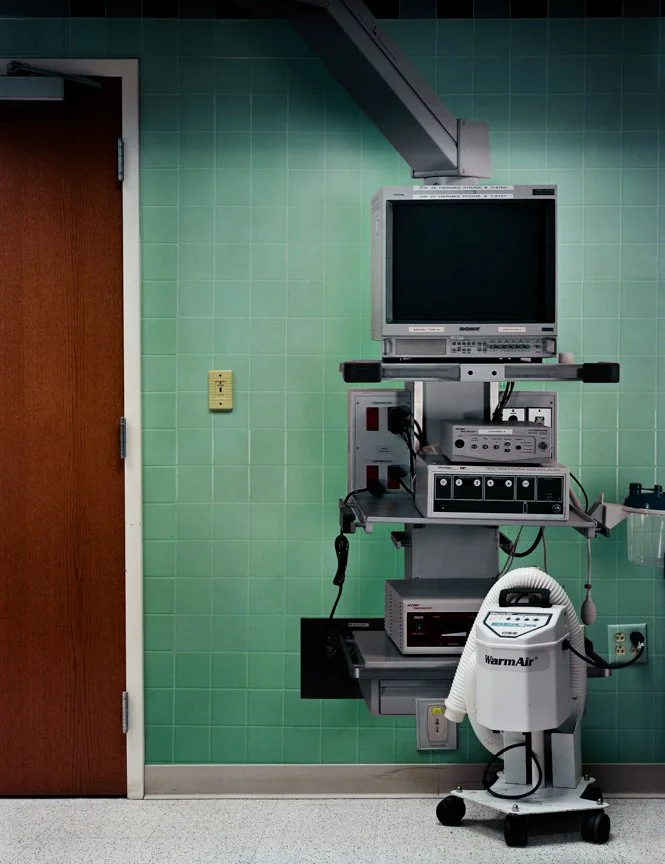
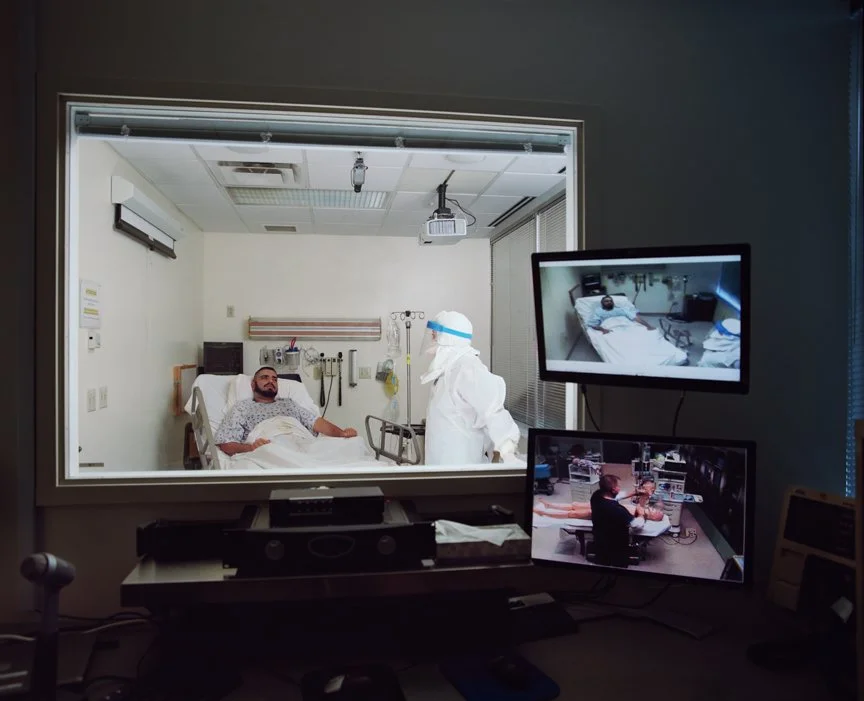
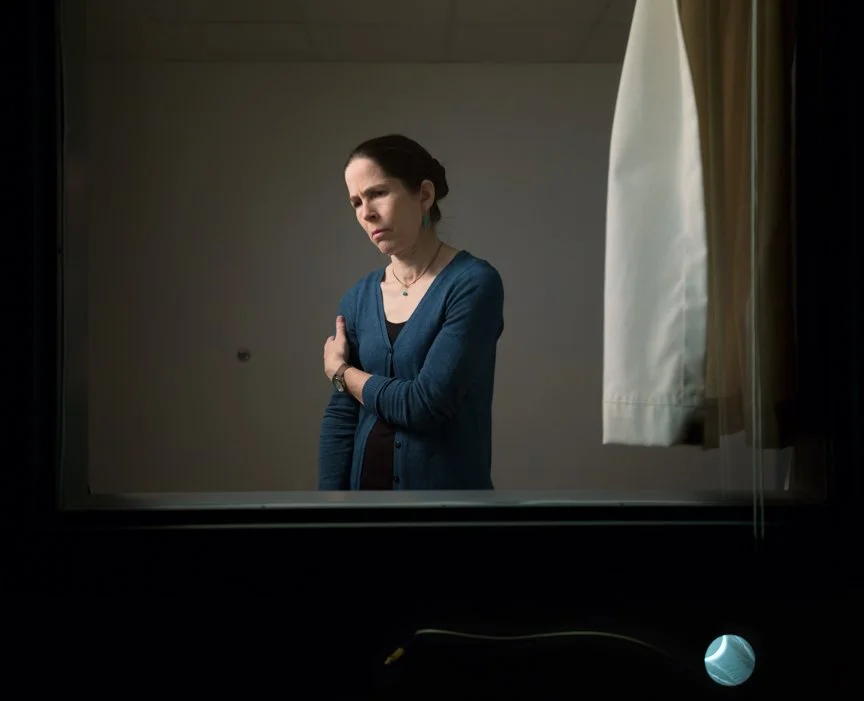
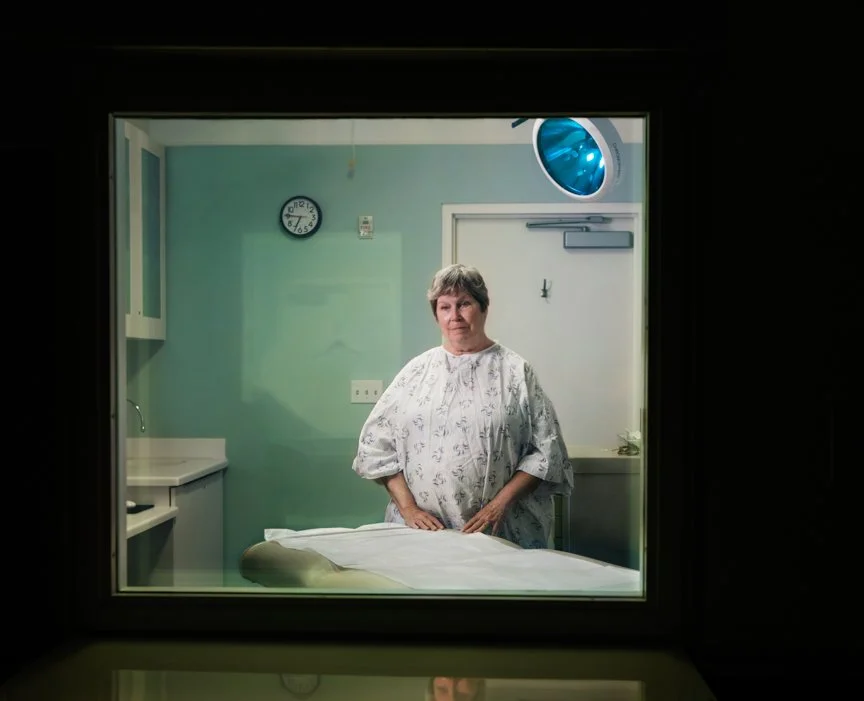
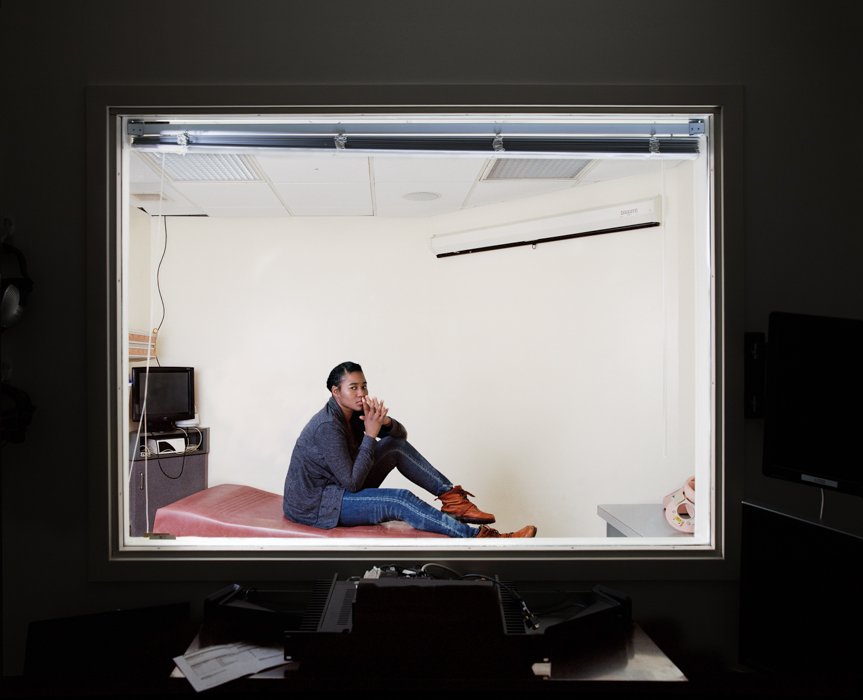
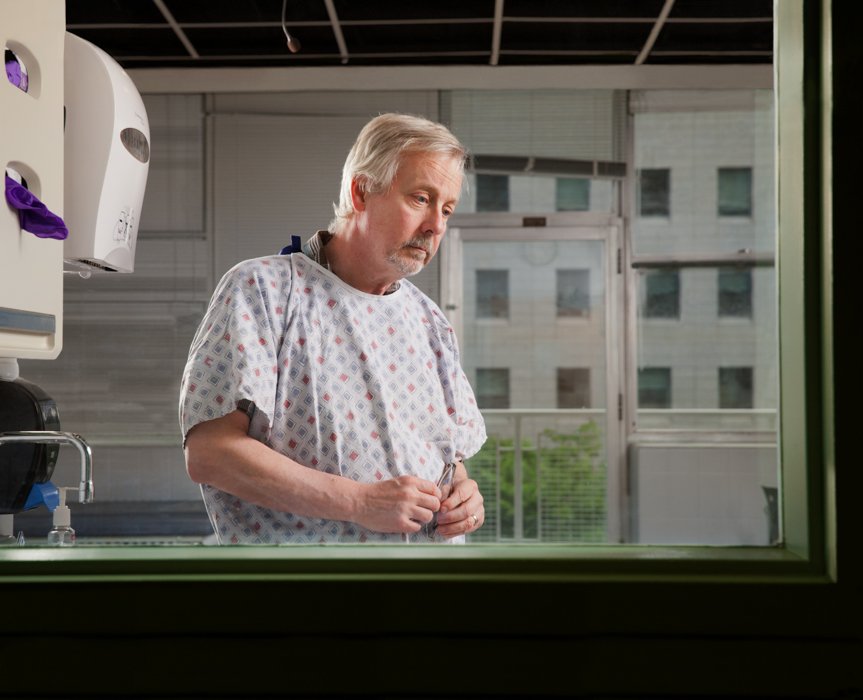
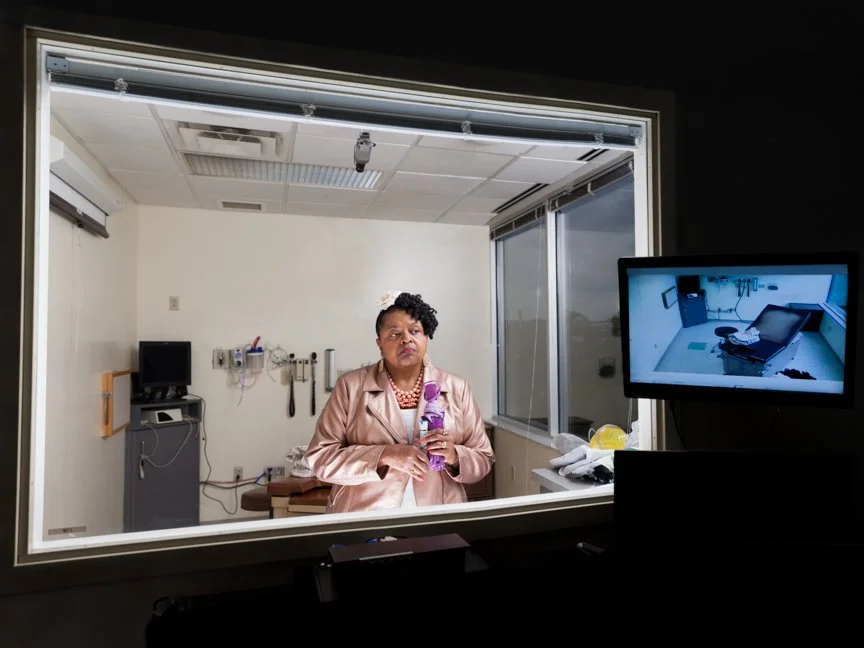
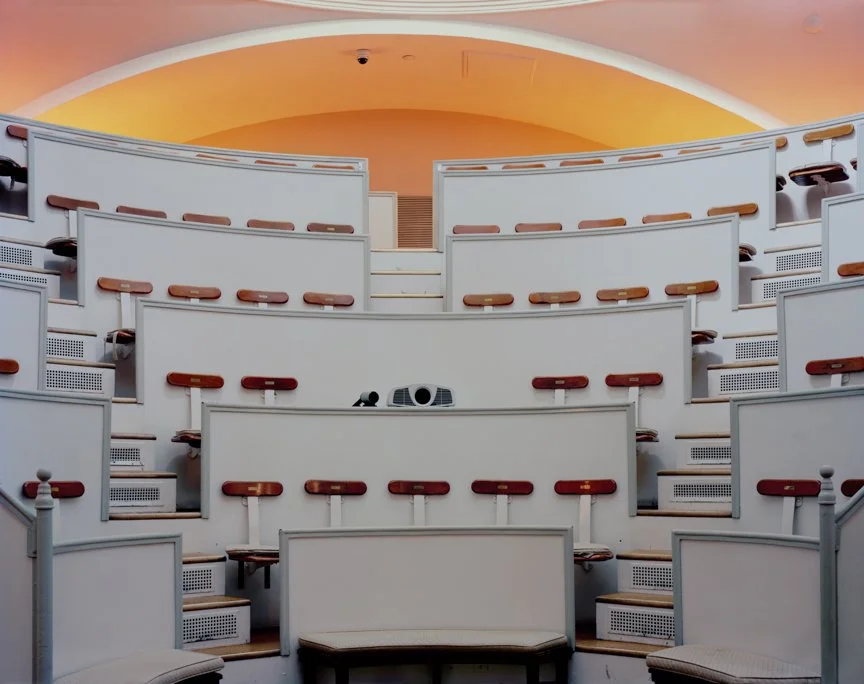

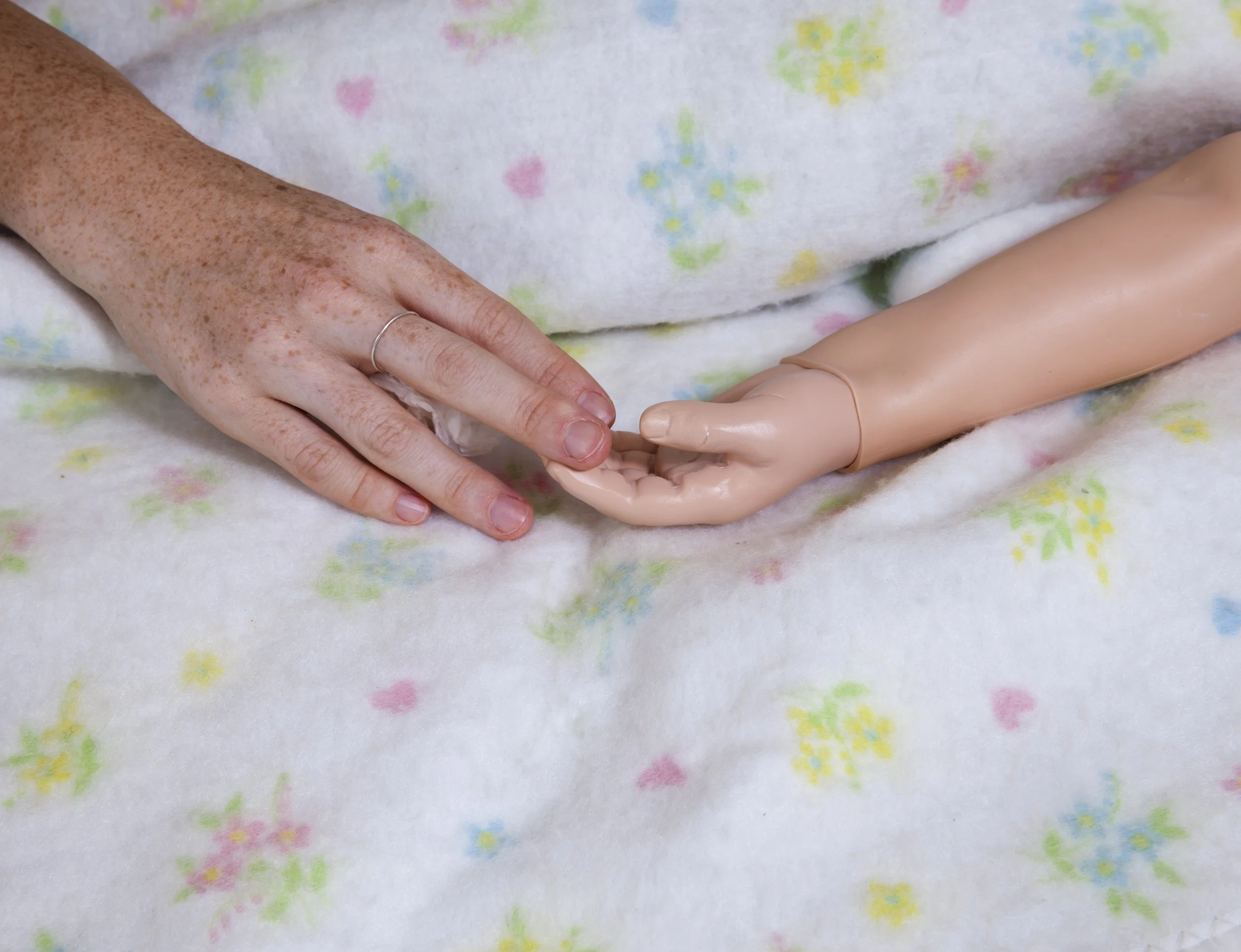
Benrubi Gallery is pleased to announce Brooklyn-based photographer Corinne May Botz’s Bedside Manner, her first solo show with the gallery. As in The Nutshell Studies of Unexplained Death, her acclaimed series of photographs of doll house–sized crime-scene dioramas built in the 1940s, Bedside Manner blurs the line between the actual and the artificial in a series of images that powerfully evoke the Freudian uncanny—something that is strangely familiar yet resists classification.
The subject here is the little-known world of medical simulations, in which trained medical
actors portray so-called “standardized patients” in order to help medical students improve their diagnostic and interpersonal skills. Botz photographed the medical actors through two-way mirrors, visible in the frame, which creates an immediate sense of voyeurism as well as dread. The relationship between viewer and subject is further complicated by the viewer’s difficulty in pinpointing the exact nature of what is being depicted. In some photographs, there is no indication that we’re looking at a performance; in others, the inclusion of props—a child-sized plastic arm, a couple in tense vigil at the bedside of a simulation mannequin with a bloody rag pressed to its forehead—suggest a re-enactment of some kind, but its nature remains opaque and unsettling.
The photographs simultaneously elicit and circumscribe an emotional response, as viewers are forced to contemplate their reactions not just to sickness, injury, and hospitals, but also to the innumerable images of human suffering we are confronted with on a daily basis, whether for entertainment or edification. As such, the photographs contain an ethical aspect as well, as we question their effect on our own empathic processes, and are reminded of the way in which even real patients “play sick” in order to solicit care from doctors and nurses. As with the student-doctors for whom these simulations were performed, we are forced to interrogate which aspects of these scenes are not just true but relevant to our own medical history.
Also included in the show is the short film Bedside Manner, in which neurologist Dr. Alice Flaherty plays herself as doctor, patient and standardized patient in a narrative that forces spectators to decipher what is authentic in the main character’s narrative. To paraphrase Flaherty: she is a doctor learning how to be a patient, in order to teach doctors how to be better doctors. In regards to the discourse concerning empathy, we are left not only thinking about what patients feel but what student-doctors feel as they go through the process of becoming an “authority.”
Corinne May Botz (b. 1977) was born in Ridgewood, N.J. She earned a Bachelor degree in Fine Art from Maryland Institute, College of Art and a Master of Fine Arts from Milton Avery School of the Arts, Bard College. Botz’s photographs have been internationally exhibited at such institutions as the Museum of Contemporary Photography, Chicago, Illinois; Wurttembergischer Kunstverein, Stuttgart, Germany; De Appel, Amsterdam; and Turner Contemporary, Margate, UK. She is the author of Haunted Houses (Monacelli Press, 2010) and The Nutshell Studies of Unexplained Death (Monacelli Press, 2004). She is the recipient of both the New York Foundation for the Arts and the Jerome Foundation grants. Botz is on the faculty of International Center of Photography and John Jay College of Criminal Justice.
For press and other inquiries, please email: info@benrubigallery.com