
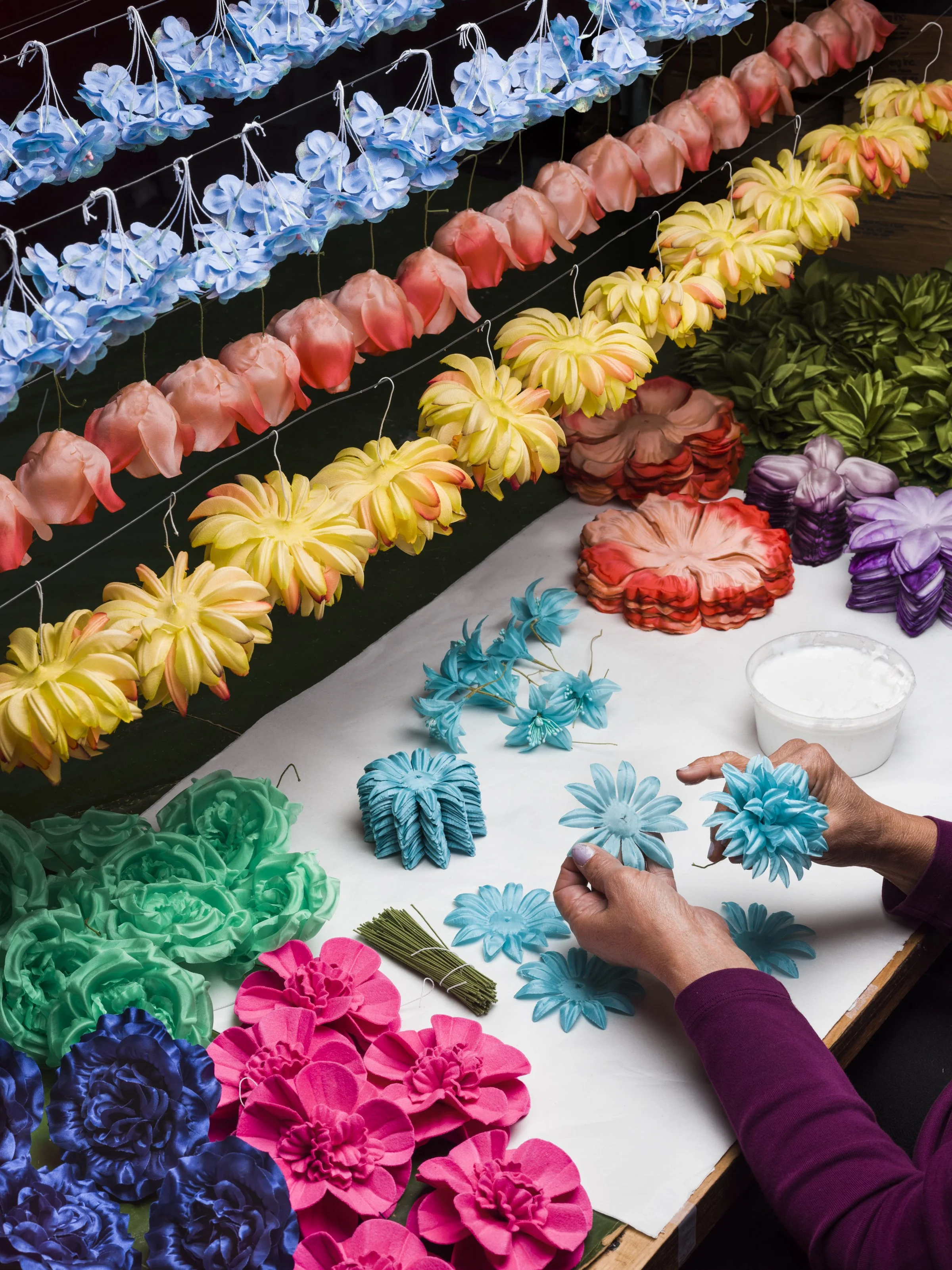
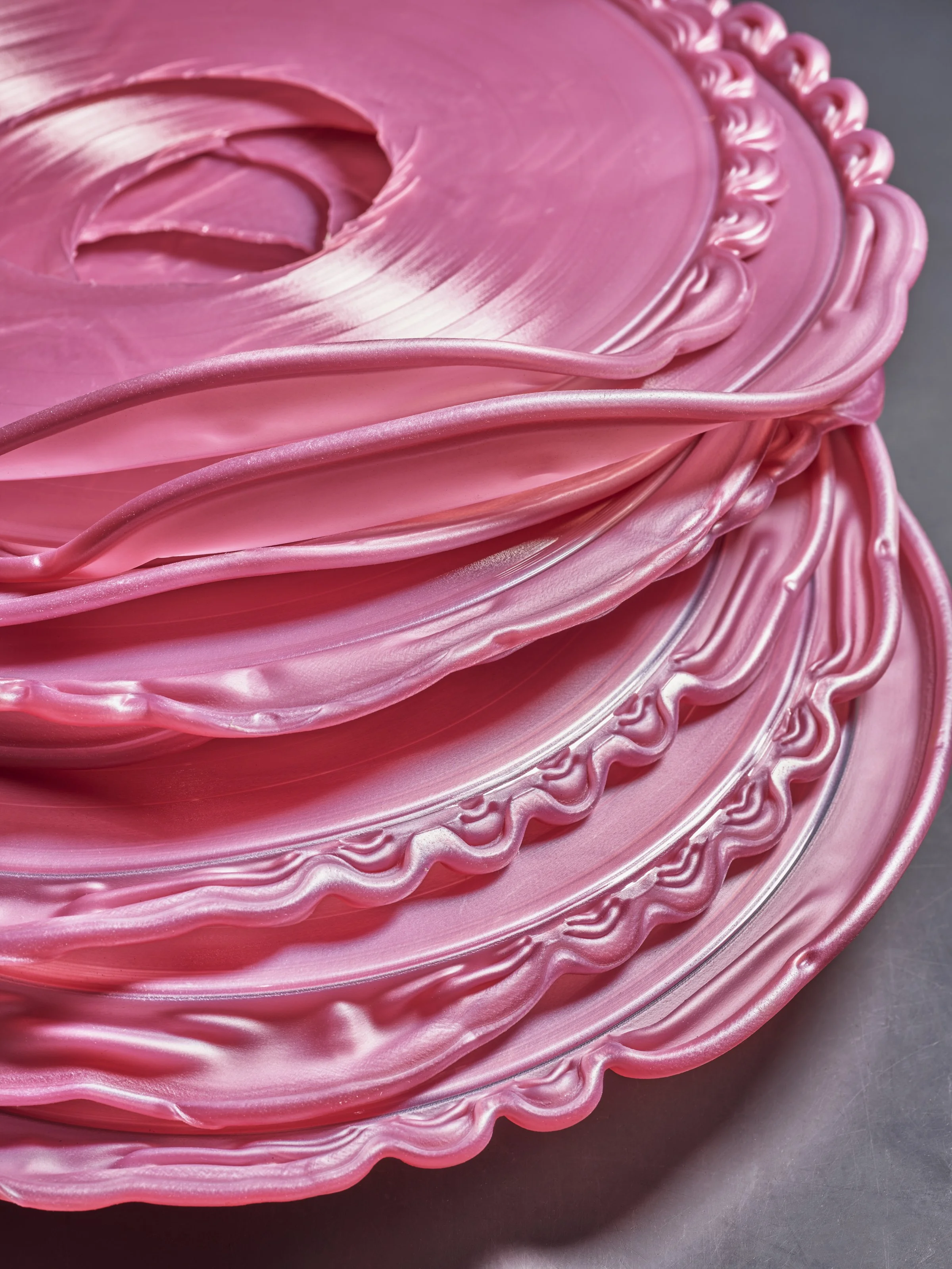
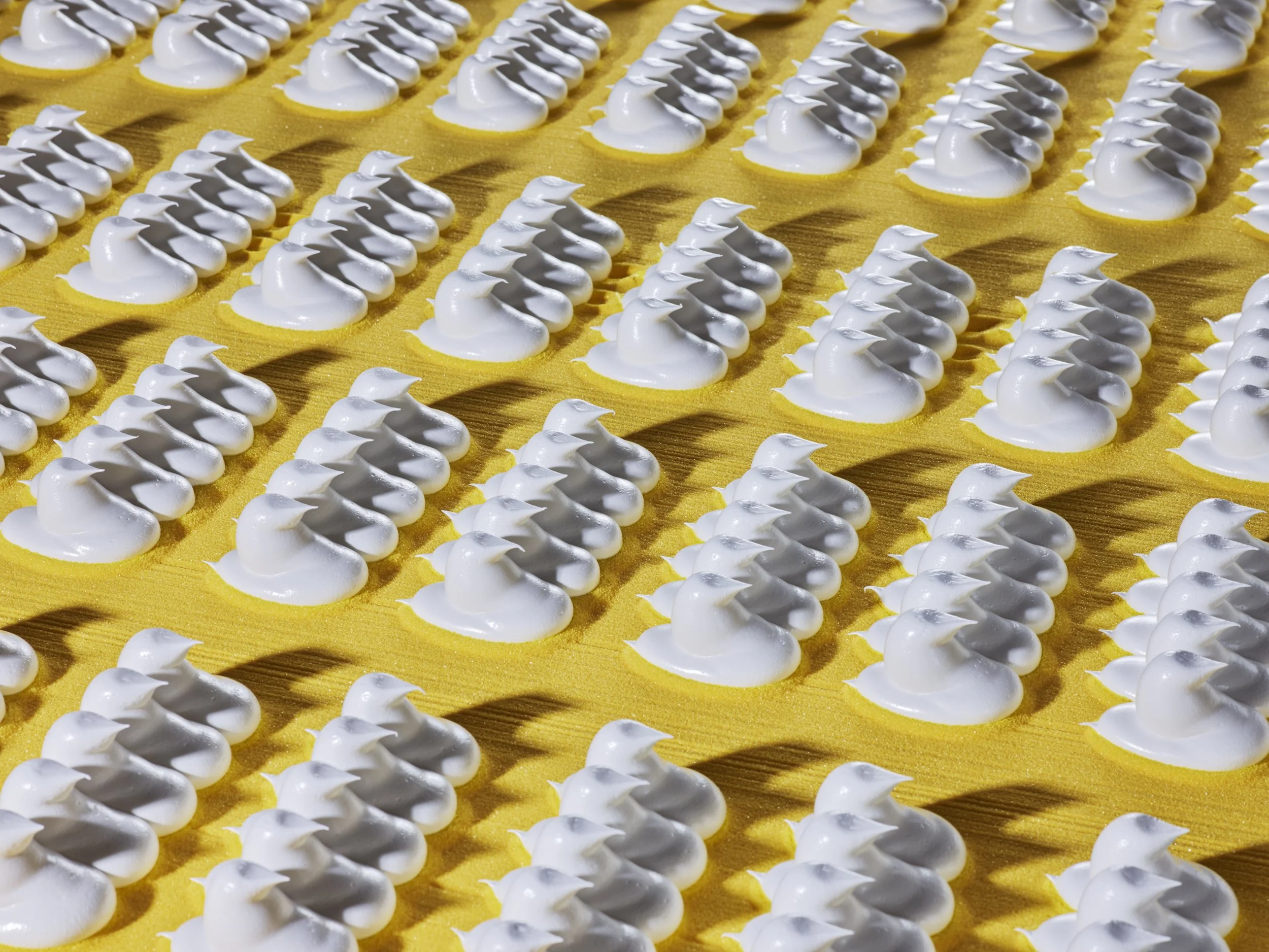
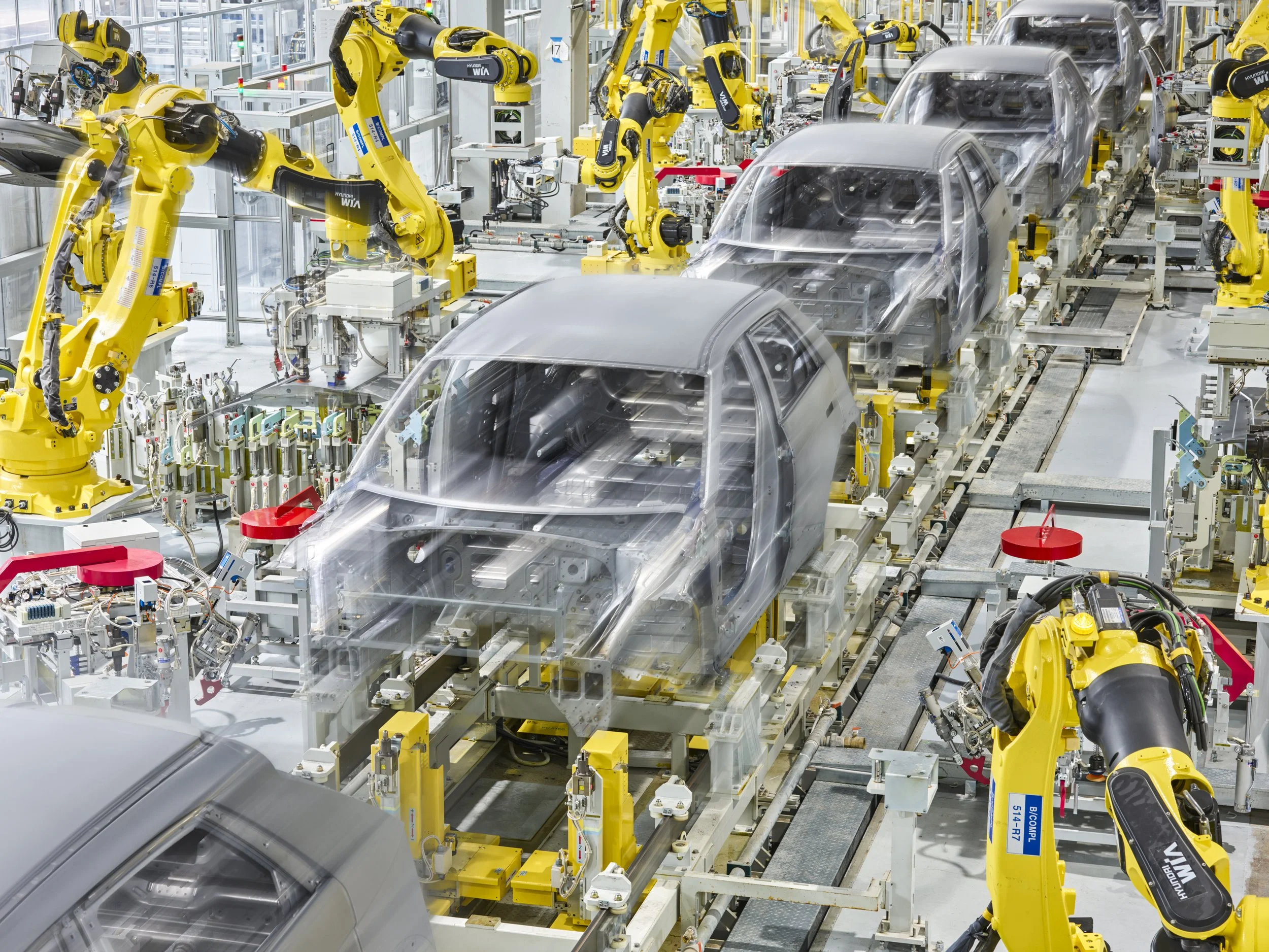
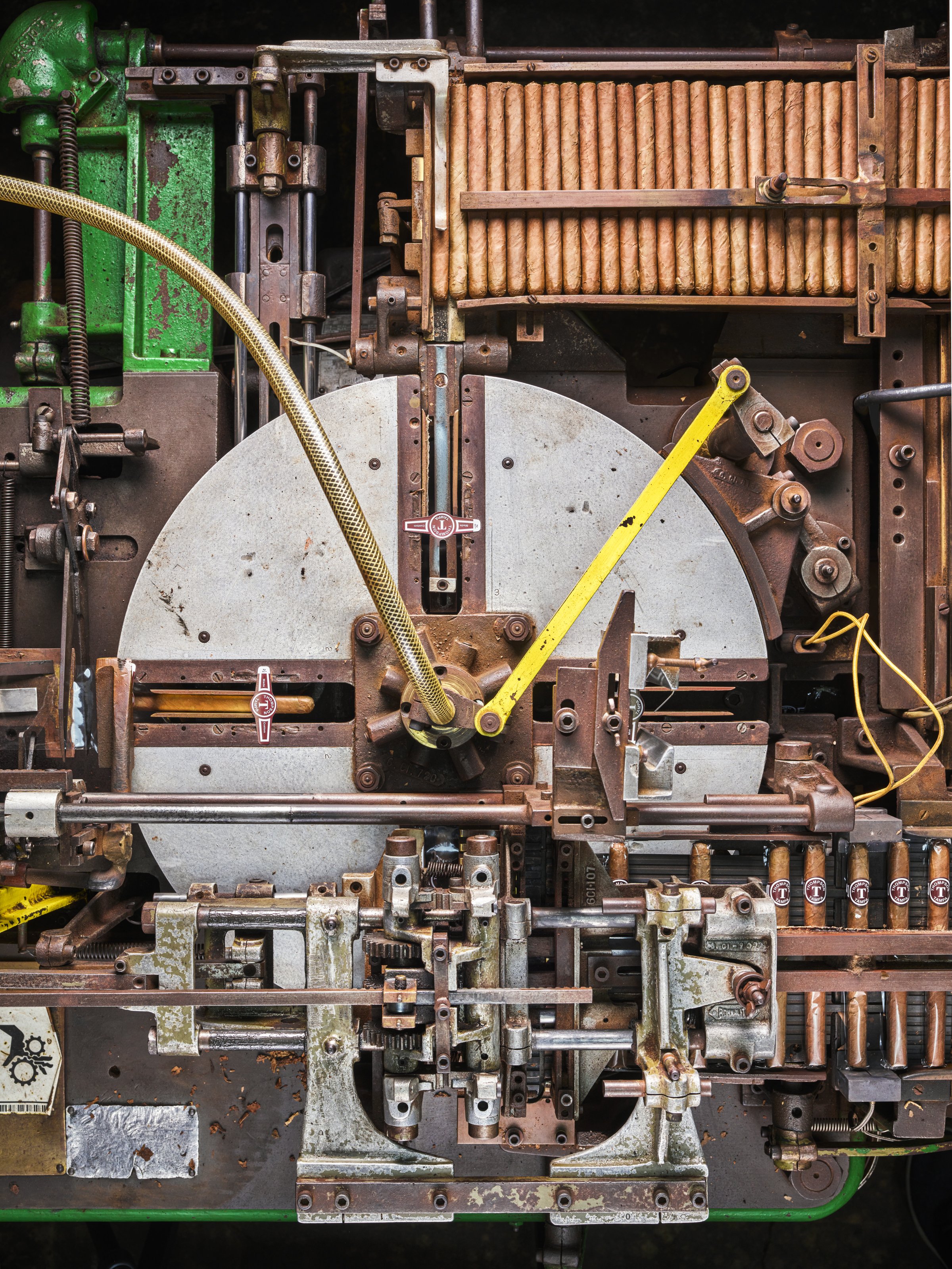

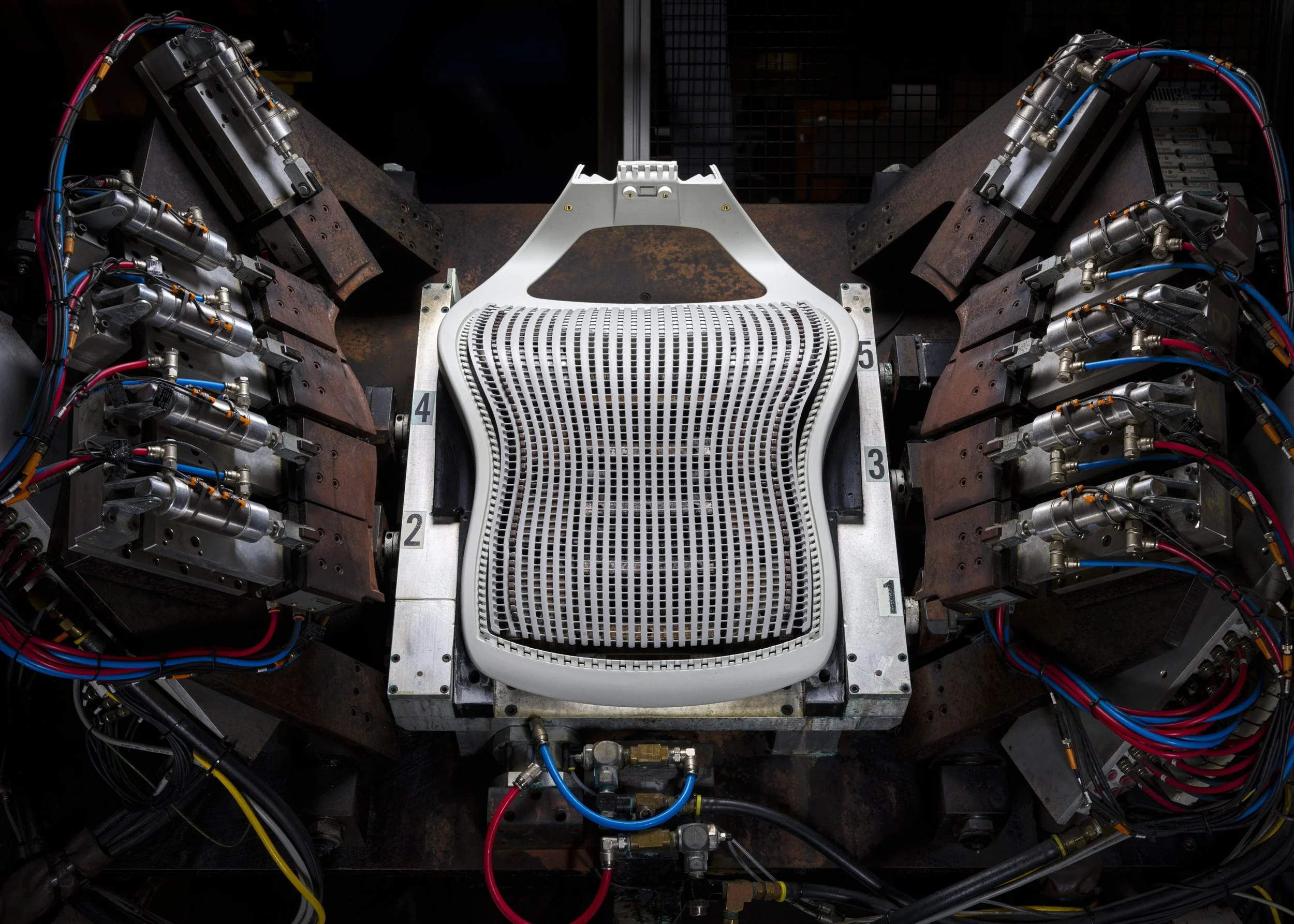
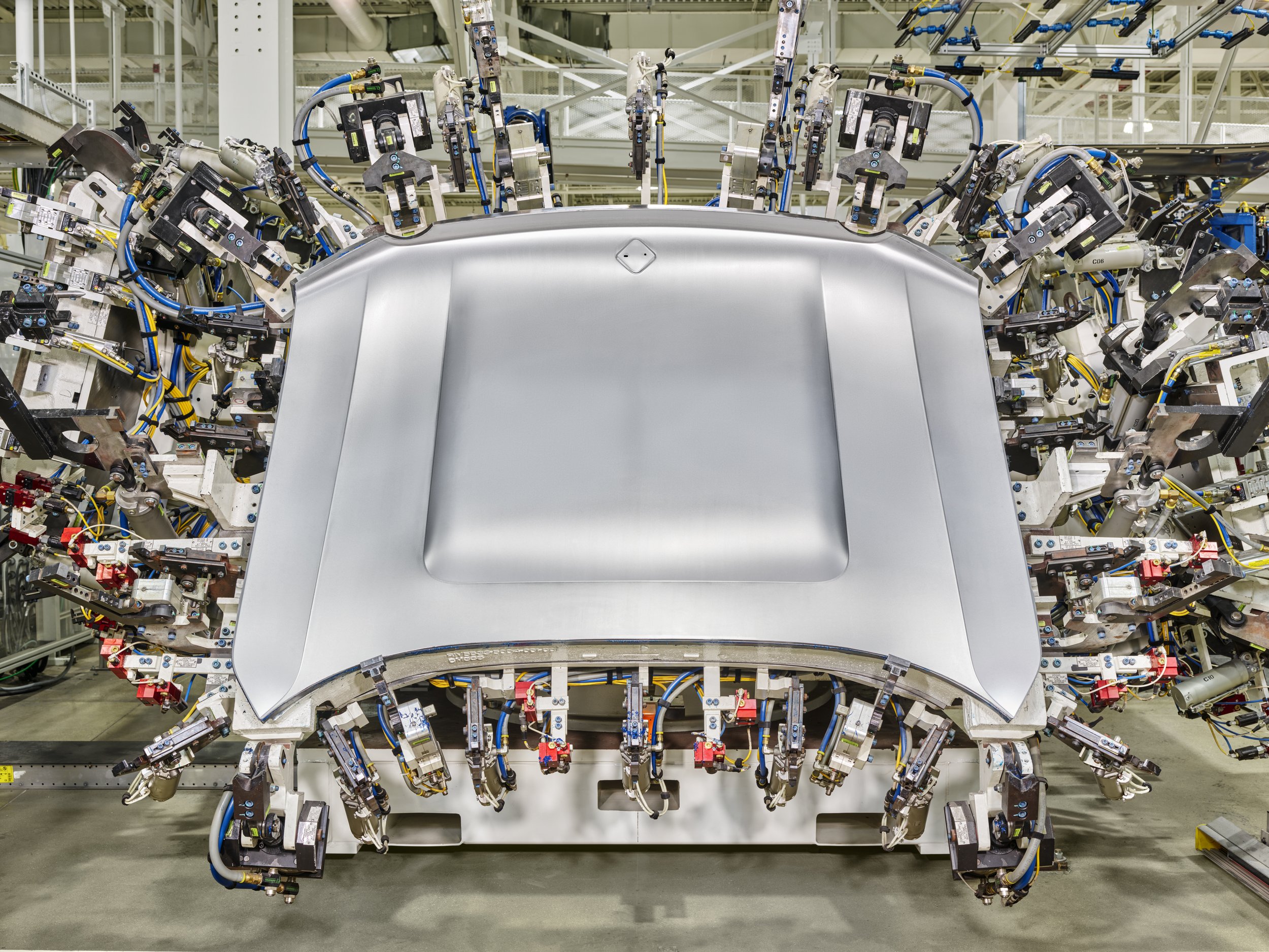
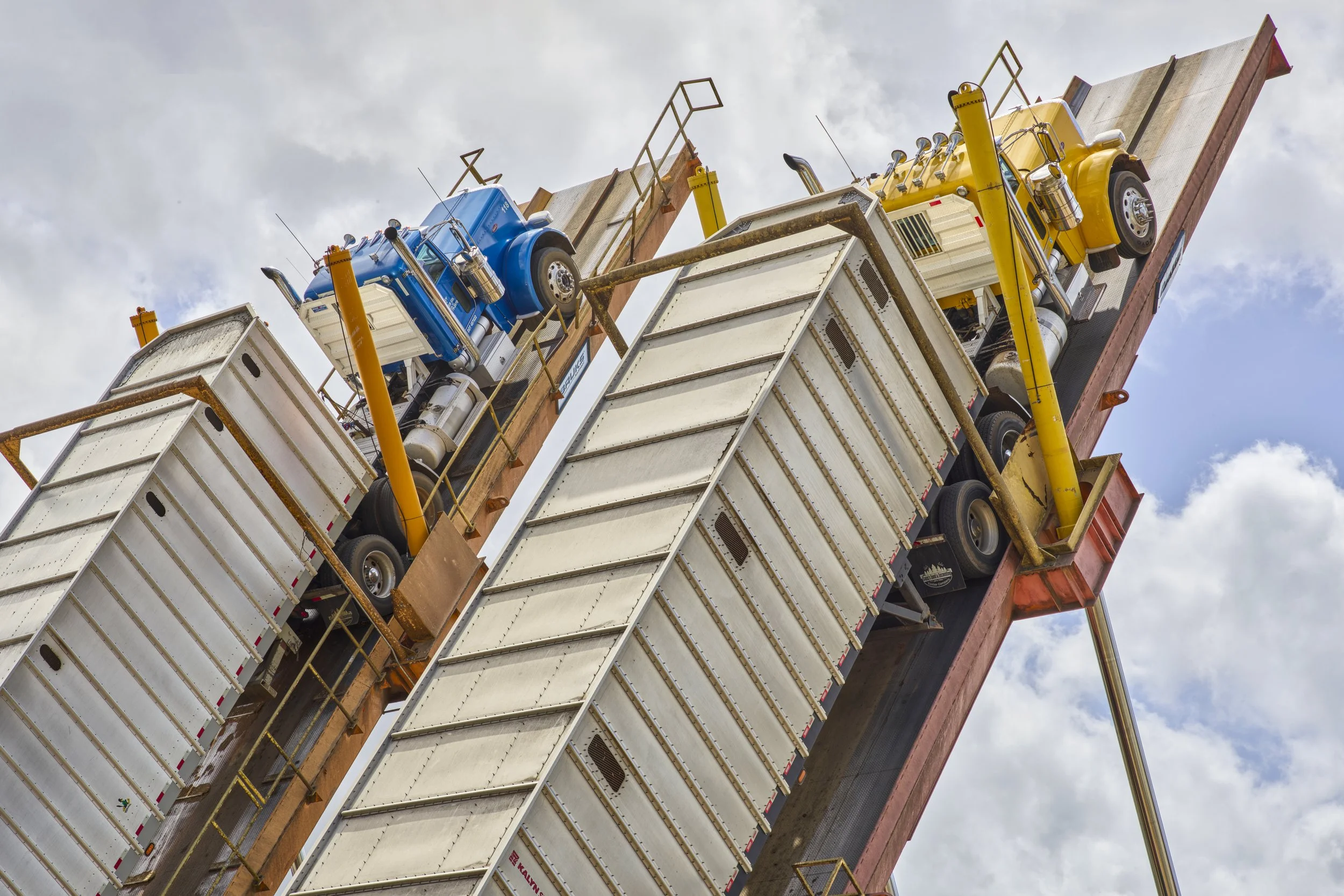
Benrubi Gallery is pleased to announce Christopher Payne: “16 Tons,” an exhibition of nine large-format photographs on view May 28 through July 2, 2026. The show opens in dialogue with Payne’s concurrent exhibition, Made in America: The Industrial Photography of Christopher Payne, at the Cooper Hewitt, Smithsonian Design Museum, where more than seventy works trace the breadth of American manufacturing across a decade of sustained attention. “16 Tons” is a different proposition. Drawn from that same body of work and from new expeditions, the nine photographs assembled here are organized around an idea of correspondence—pairings, mostly, whose relationship is not declared but sensed. The exhibition asks whether images separated by industry, geography, and scale can nonetheless disclose a shared grammar, a structural kinship that lies beneath the surface of what is being made.
Payne has spent years gaining access to places most people will never see: factory floors, production lines, the interior logics of American industry from the artisanal to the algorithmic. His photographs are known for their formal precision, their patience, and their capacity to find in industrial process a kind of arrested beauty—the composition held until something essential about scale, color, or repetition reveals itself. What distinguishes the work in 16 Tons is less what each image depicts than what the images do to each other. Placed in proximity, they surface connections that have nothing to do with industry and everything to do with form: the way a process organizes itself in space, the geometry that emerges when something is made at scale, the visual rhyme between objects that share no material, no market, no history.
The human figure is nearly absent from these photographs. Where hands appear—and in one image, hands do appear, engaged in the patient assembly of artificial flowers whose impossible colors cascade across the frame—they register less as subjects than as a scale of reference, a measure of what it means for a body to participate in a system whose logic exceeds it. Elsewhere the body has been replaced altogether, its former role now held by machinery of extraordinary specificity: robotic armatures that grip and position with a precision no hand could sustain; electromagnetic fields that lift and pour tons of forged iron as though handling something delicate. The question these images collectively raise is not elegiac. It is something more lateral—an inquiry into what labor leaves behind when it departs, and what structures, visual and mechanical, persist in its absence.
“16 Tons,” the song made famous by Tennessee Ernie Ford in 1955, itself drawn from a Merle Travis ballad about coal mining debt and the body worn out by work. “You load sixteen tons, what do you get? / Another day older and deeper in debt.” The song rhymes with something contained within these works: an understanding that making things at scale has always involved a transaction whose terms are not always visible in the finished object. Payne’s photographs hold that transaction in suspension. They do not mourn it or celebrate it. They observe it—with the particular care of someone who has learned that if you wait long enough, and look carefully enough, industry will reveal itself as something close to pattern, and pattern as something close to meaning.
Christopher Payne (b. 1968) has spent over two decades documenting American industrial and institutional spaces. His books include Made in America: The Industrial Photography of Christopher Payne (Abrams, 2023), Making Steinway: An American Workplace, Asylum: Inside the Closed World of State Mental Hospitals, and North Brother Island: The Last Unknown Place in New York City. His work has appeared in The New York Times Magazine, The New Yorker, National Geographic, Scientific American, The Atlantic, Time, and Wired, among others.
For press and other inquiries, please email: info@benrubigallery.com